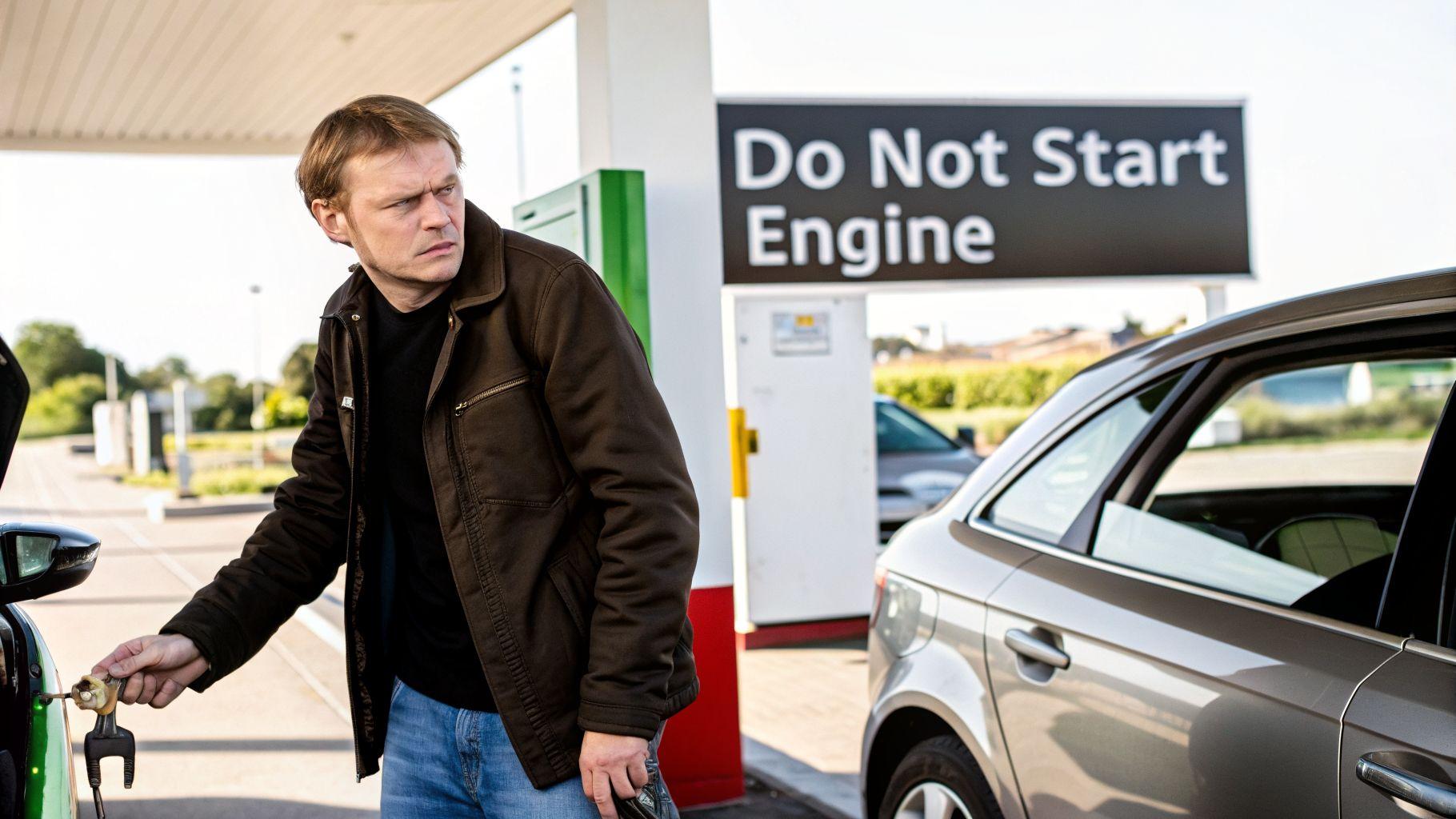
Putting the wrong fuel in your car can happen to anyone. You might be driving an unfamiliar vehicle, using a different pump than usual or simply be in a hurry. The important thing is what you do next. If you have put petrol in a diesel vehicle or diesel in a petrol car, the safest response is to stop, avoid starting the engine and get advice before attempting to move the vehicle.
If you have just realised the mistake, do not start the engine or continue driving. If the engine is already running, move to a safe place and switch it off as soon as it is safe to do so. Do not put yourself or other road users at risk to stop immediately. The right repair depends on the vehicle, the fuel involved, how much was added and whether the fuel has circulated through the system.
This guide explains what to do in the first five minutes, why adding more fuel is not a reliable fix, what information to give a mechanic and how to discuss wrong-fuel assistance in Melbourne.
What should you do in the first five minutes?
Minute 1: Keep the engine switched off
If you notice the mistake before starting the car, leave the engine off and avoid switching the ignition on unnecessarily. Some vehicles can activate fuel-system components when the ignition is switched on. If you have already started driving, pull over safely as soon as practical, switch the engine off and do not restart it to see whether it still runs normally.
Do not attempt to drive the vehicle to a workshop just because it appears to be running properly. The absence of immediate symptoms does not confirm that the fuel system is unaffected.
Minute 2: Tell the service-station staff
If you are still at a petrol station, tell the staff what has happened. They may be able to help you keep the vehicle in a safe position while you organise assistance. Do not push the car through traffic or try to move it manually if doing so could put you or other people in danger. If the vehicle is creating an immediate road hazard, prioritise safety and follow appropriate local instructions.
Minute 3: Do not try to dilute the wrong fuel
Adding the correct fuel to dilute the incorrect fuel is not a dependable solution for every vehicle. Fuel-system designs differ, and even a relatively small amount can be a concern in some circumstances. Avoid improvised draining, siphoning or other DIY fuel-removal attempts. Fuel is flammable, and handling it without suitable equipment and procedures can create additional risks.
Minute 4: Record what went into the tank
Make a note of whether petrol went into a diesel vehicle or diesel went into a petrol vehicle. Estimate the amount added and whether there was already fuel in the tank. Also note whether the ignition was switched on, whether the engine was started and whether the vehicle was driven. These details help a mechanic assess the likely next steps and avoid unnecessary guesswork.
Minute 5: Contact a suitable professional
Explain the incident to a mechanic or wrong-fuel assistance provider before arranging the job. Depending on the vehicle and circumstances, the next step may involve professional fuel removal, inspection, further repairs or transport to a workshop. Ask what assistance is available at your location rather than assuming every vehicle can be repaired roadside.
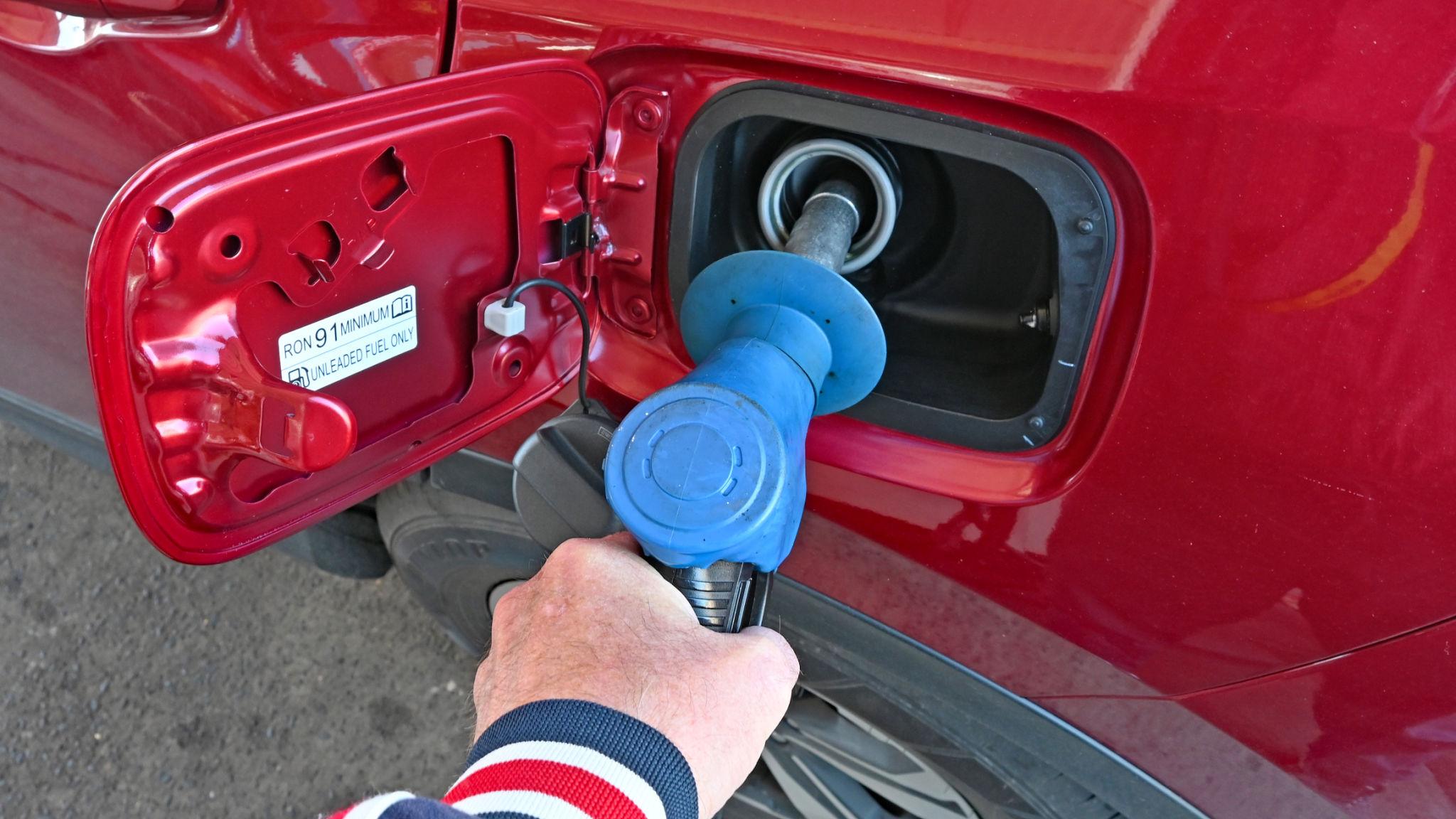
Why can starting the engine make the situation worse?
When the engine is started, the vehicle may draw fuel from the tank into other parts of the fuel system. That can increase the amount of cleaning, inspection or repair required compared with discovering the mistake before starting the vehicle. The actual outcome depends on the fuel type, vehicle design, quantity added and how long the engine operated.
Petrol in a diesel vehicle can be particularly concerning because diesel fuel provides lubrication for components in many diesel fuel systems. Petrol can reduce that lubricating effect. Diesel in a petrol vehicle can interfere with normal combustion and may lead to rough running, smoke, misfiring or stalling if the engine is operated.
There is no single safe quantity that applies to every make and model. Do not assume that the car is unaffected because only a little incorrect fuel was added, and do not assume damage has definitely occurred either. A professional assessment is the sensible way to determine what is needed.
Petrol in a diesel car versus diesel in a petrol car
Petrol in a diesel vehicle
This mistake can be especially serious for modern diesel vehicles, depending on their fuel-system design. Petrol may reduce the lubrication needed by certain diesel-system components. If the engine has not been started, keeping it switched off may limit how far the incorrect fuel travels. If it has been started or driven, tell the mechanic exactly what happened so the appropriate inspection can be considered.
Diesel in a petrol vehicle
Diesel does not behave like petrol in a spark-ignition engine. Depending on the amount and whether the engine was run, the vehicle may struggle to start, run unevenly, produce smoke or stall. Do not continue driving to see whether the symptoms disappear. Switch the engine off safely and seek advice.
In either situation, accurate information helps. Do not hide the mistake or experiment with additional fuel; describe the event clearly so the provider can recommend a suitable response.
Can you drive the car to a mechanic?
Do not drive a vehicle after a wrong-fuel incident unless a qualified professional has assessed the circumstances and specifically advised that it is safe. Driving can circulate the incorrect fuel through the system and may increase the work required. If the vehicle is in a safe parking space, leave it there while arranging advice.
Depending on the location and vehicle, a provider may be able to attend, or the vehicle may need towing to a workshop or specialist facility. The correct option should be decided after discussing the details, not assumed in advance.
What information should you give the mechanic?
When you call for assistance, having the basic details ready can help the provider understand the incident and discuss the next step. Share:
- The vehicle make, model, year and normal fuel type.
- Which fuel was added by mistake.
- The approximate amount of incorrect fuel and how much fuel was already in the tank, if known.
- Whether the ignition was switched on or the engine was started.
- Whether the vehicle was driven and, if so, approximately how far.
- Any symptoms, such as rough running, smoke, warning lights or stalling.
- Your location and whether the vehicle is safely parked.
Do not worry if you cannot answer every question. Be clear about what you know and what you are unsure of. This information supports a more appropriate assessment.
How to arrange wrong-fuel assistance in Melbourne
If you have put the wrong fuel in your car, contact Mechanic Near You’s wrong-fuel rescue service to discuss your vehicle, location and what happened. Confirm what assistance is available and whether the vehicle can be assessed at its current location or needs transport.
You can also review the available mechanic services or request a service booking. Make it clear that the booking concerns a wrong-fuel incident rather than a routine service, so the situation can be assessed appropriately.
Call +61 406 396 397 or email infomechanicnearyou@gmail.com. Provide your vehicle details and location, and explain whether the engine has been started.
How to reduce the chance of putting in the wrong fuel
- Check the fuel label inside the fuel flap or consult the owner’s manual.
- Take an extra moment to identify the correct pump when driving an unfamiliar vehicle.
- Be particularly careful when switching between petrol and diesel vehicles.
- If you notice a mistake while refuelling, stop and do not start the engine.
- If you use a shared or rental vehicle, confirm its fuel type before refuelling.
Frequently asked questions
What should I do first if I put the wrong fuel in my car?
Keep the engine switched off. If it is already running, stop safely and switch it off as soon as practical. Do not restart or drive the vehicle; contact a suitable professional and explain what happened.
Can I add the correct fuel to fix the mistake?
Do not rely on adding more fuel to dilute the incorrect fuel. The right response depends on the vehicle and circumstances, so obtain professional advice before taking further action.
Will the wrong fuel always damage my engine?
Not necessarily. The outcome depends on the vehicle, fuel involved, quantity added and whether the engine was started or driven. An assessment is needed to determine the appropriate action.
Can I drive to a workshop if the car seems normal?
Do not drive unless a qualified professional has assessed the situation and specifically advised that it is safe. A vehicle may appear normal even when the wrong fuel needs attention.
Can a mechanic help at my location?
Depending on your location, vehicle and the work required, mobile assistance may be possible. Some incidents require towing or additional workshop work, so confirm the available options before booking.
Should I turn the ignition on to check whether the car still works?
No. Avoid unnecessary ignition operation because some vehicles can activate fuel-system components. Keep the vehicle switched off until you receive professional advice.