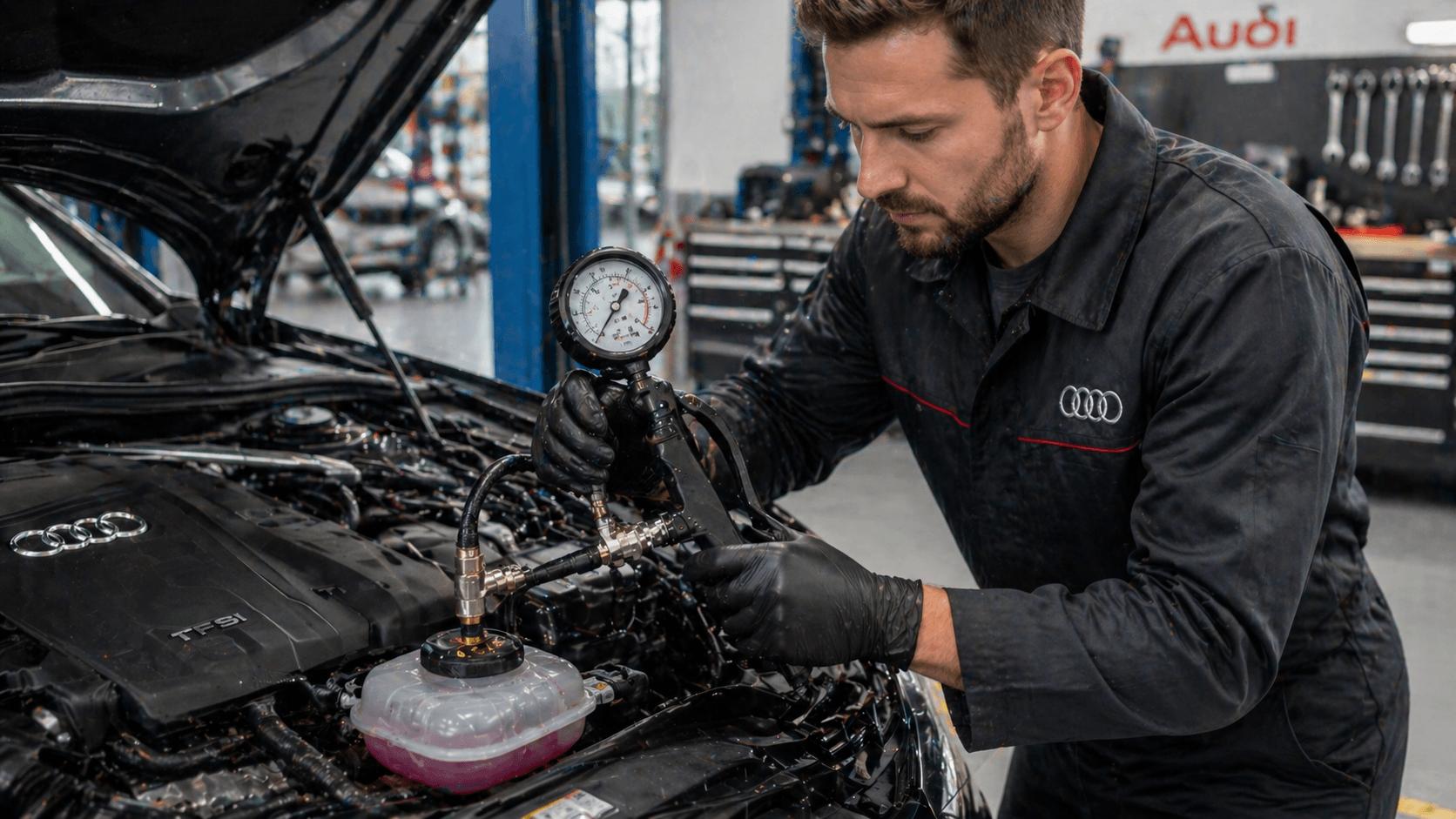
If your Volkswagen or Audi is losing coolant, showing a temperature warning or developing signs of a cooling-system leak, the water pump may need attention. However, these symptoms do not automatically confirm a failed pump. A proper diagnosis is important because coolant leaks and overheating can also come from hoses, radiators, thermostats, expansion tanks and other components.
For drivers searching for Volkswagen water pump replacement in Melbourne, this 2026 guide explains the factors that influence repair costs, common warning signs, how diagnosis works and what to ask before approving a repair. Exact pricing depends on the vehicle and inspection findings, so a reliable estimate should be based on the specific model, engine and parts required.
What does a car water pump do?
The water pump circulates coolant through the engine and cooling system to help control operating temperature. Depending on the vehicle, the pump may be mechanically driven or electrically controlled, and its design can vary significantly between engines. If coolant circulation is inadequate, the engine may overheat and suffer serious damage.
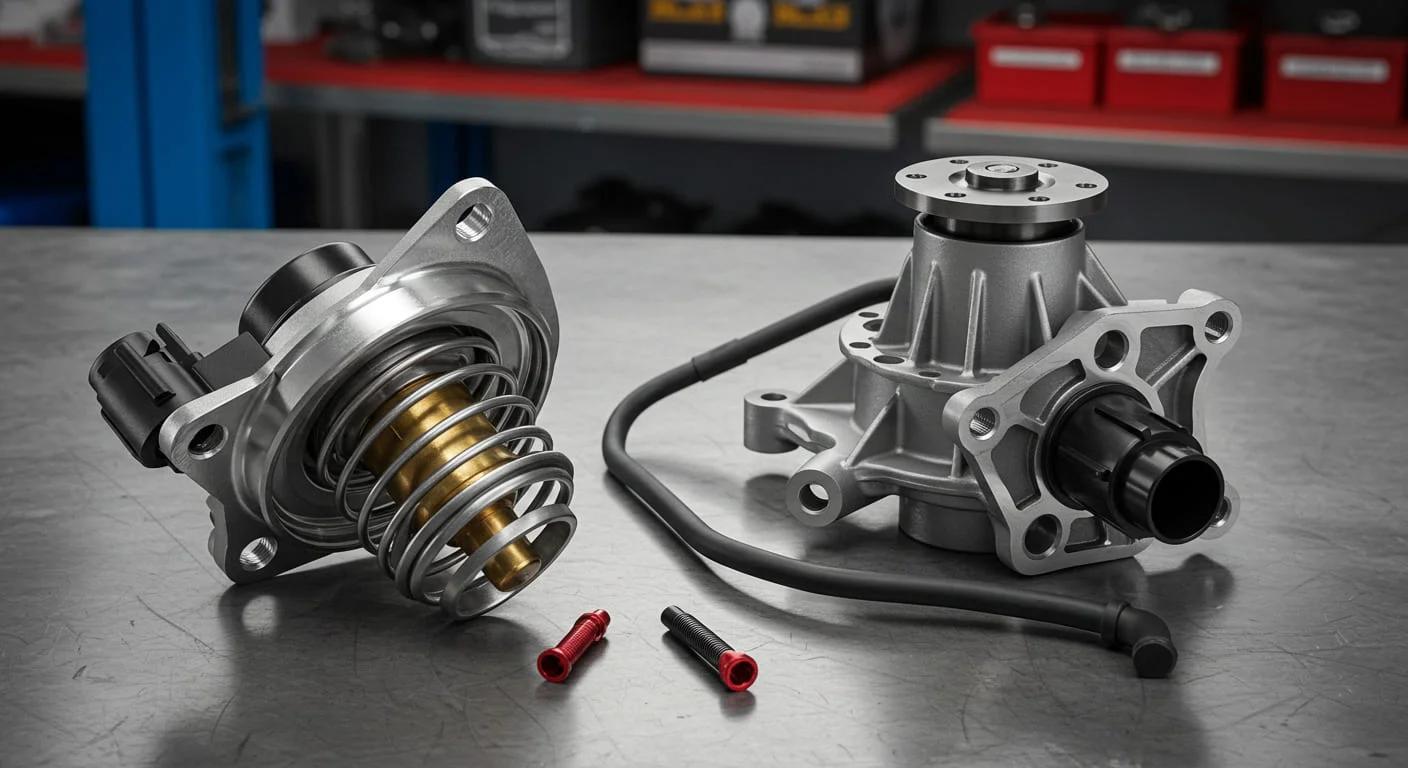
Some Volkswagen and Audi engines use water pump assemblies that incorporate or sit close to other cooling-system components. This can influence parts selection, access and labour time. The correct procedure must be determined from the vehicle's exact engine and manufacturer repair information rather than assuming every model uses the same layout.
How much does VW or Audi water pump replacement cost in Melbourne?
There is no single reliable price for every Volkswagen or Audi water pump replacement. Total cost depends on the model year, engine code, pump type, access to the component, labour requirements, parts quality and whether related components need attention. A compact vehicle with an accessible pump may require a different amount of work from an engine where access is restricted.
Some vehicles use a pump integrated into a larger assembly or positioned alongside a thermostat housing. Others may use different drive arrangements, including timing-belt-driven or electrically operated pumps. These design differences can affect both the parts required and the amount of labour involved. A quote should clearly identify the components included rather than treating all water pump jobs as equivalent.
What factors affect the final repair quote?
Vehicle model, engine and production year
Two vehicles from the same brand can have different engines and cooling-system designs. The registration details, vehicle identification information and engine specification help the workshop identify the correct parts and procedure. Confirming the exact vehicle is essential before providing a dependable estimate.
Water pump design and accessibility
Some pumps are relatively accessible, while others require removal or movement of surrounding components. Integrated pump and thermostat assemblies can also change the parts list. Labour should reflect the actual procedure for the particular engine, not a generic estimate based only on the brand badge.
Parts selection
Part availability and the choice of suitable original-equipment or quality aftermarket components can affect the quote. Compatibility, durability and manufacturer specifications matter. Ask which part is being supplied, whether it meets the vehicle's requirements and what warranty applies to the part and labour.
Coolant and related components
The repair may require the correct coolant specification, replacement seals and other parts identified during inspection. If the pump failure has caused coolant contamination, leakage elsewhere or overheating, additional work may be needed. Any extra repair should be explained and approved before the work proceeds.
Testing after installation
A complete job should include appropriate checks for leaks, coolant circulation and operating temperature, together with the correct filling and bleeding procedure for that vehicle. Some modern cooling systems require a specific procedure or diagnostic equipment. These steps help confirm the system is operating correctly after repair.
Signs that your water pump may be failing
Coolant loss or visible leakage
Repeatedly needing to top up coolant can indicate a leak, but the source must be identified. Coolant may escape from a pump seal or housing, but hoses, radiator connections and other components can produce similar symptoms. Never assume that the pump is responsible without inspection.
Engine temperature rising above normal
An overheating engine may have a circulation problem, but a faulty thermostat, radiator restriction, cooling fan issue or low coolant level can cause similar symptoms. If a temperature warning appears or the engine overheats, stop safely and follow the vehicle manufacturer's instructions. Continuing to drive an overheating vehicle can lead to expensive engine damage.
Unusual noises near the pump
Depending on the pump design, bearing wear or related component problems may produce unusual noises. Noise alone is not a definitive diagnosis because belts, pulleys and other engine accessories can sound similar. A technician should identify the source before recommending replacement.
Coolant warning messages or repeated top-ups
A coolant warning should be investigated promptly, especially if the level continues to fall. Do not open a hot cooling system: pressurised coolant can cause severe burns. Allow the vehicle to cool and seek professional advice if the warning persists or the engine temperature is abnormal.
How a workshop diagnoses a water pump problem
A sensible diagnostic process starts with the vehicle's symptoms, coolant level and visible condition. Depending on the findings, a technician may inspect the pump area, pressure-test the cooling system, check stored fault codes, examine the thermostat and cooling fan operation, and verify engine temperature behaviour. The exact checks depend on the vehicle and the symptoms reported.
Diagnosis matters because replacing a water pump will not solve an unrelated coolant leak or an electrical cooling-fan fault. Before approving the job, ask what evidence points to the pump and whether any other issues have been identified. A clear explanation helps you understand which work is necessary and which items are only recommendations.
Can you keep driving with a failing water pump?
Driving with a suspected water pump failure can be risky, particularly if coolant is escaping or the engine temperature is rising. Overheating can damage engine components quickly. If a temperature warning appears, coolant is leaking heavily or the engine is overheating, stop somewhere safe and arrange professional assistance instead of continuing the journey.
If the only symptom is a suspected slow leak and the engine temperature appears normal, that still does not establish that the vehicle is safe to drive. Follow the vehicle manufacturer's guidance and obtain advice from a qualified technician. Never remove the coolant cap while the engine is hot.
Should the thermostat or timing components be replaced at the same time?
That depends on the engine design, condition of the parts, service history and the manufacturer's maintenance procedure. Some pump designs are integrated with other components; in other vehicles, the pump may share access requirements with timing-system components. Where related parts are due for maintenance or replacement is required by the applicable procedure, completing the work together may avoid duplicated labour.
However, not every water pump job requires a thermostat or timing-belt replacement. Ask the workshop to explain the engine-specific recommendation, whether the part is required or optional, and how it affects the overall quote.
Choosing a European car repair workshop in Melbourne's west
Volkswagen and Audi cooling systems can vary across engines and generations. Choose a workshop that can identify the correct vehicle specification, explain its diagnosis, use compatible parts and follow the appropriate filling, bleeding and testing procedure. You should receive a clear scope of work and an explanation of any additional findings before extra repairs are carried out.
For general vehicle maintenance, explore our car servicing information and the full services page. To arrange an inspection, visit the booking page.
Questions to ask before approving water pump replacement
Ask which test confirmed the suspected failure, which pump or assembly will be installed, whether the quote includes coolant and seals, whether other components need attention and what post-repair checks will be performed. It is also worth confirming the parts and labour warranty, the expected turnaround and whether any additional costs require your approval.
A useful quote should be specific to your vehicle rather than based on a generic online figure. If the diagnosis is uncertain, ask what other possible causes have been ruled out and whether further testing is recommended before replacing parts.
Frequently asked questions
How much does VW water pump replacement cost in Melbourne?
The price varies by model, engine, pump design, labour access and related parts. An accurate quote requires vehicle details and a diagnosis; a generic price may not reflect the work your vehicle needs.
Are Audi and Volkswagen water pumps the same?
Not necessarily. Some models may share components or engine designs, but compatibility depends on the exact vehicle and engine specification. Parts should be confirmed against the vehicle details.
Can a faulty water pump cause engine overheating?
Yes. A failing pump can reduce coolant circulation and contribute to overheating. Other faults can produce similar symptoms, so the cooling system should be diagnosed before parts are replaced.
Does water pump replacement include a thermostat?
Not always. Some designs integrate related components, while others do not. The quote should state exactly which parts are included and explain any additional recommendations.
Is it safe to drive with a coolant leak?
A coolant leak can lead to overheating and engine damage. If the engine overheats, a warning appears or coolant is leaking heavily, stop safely and arrange professional assistance. Never open a hot cooling system.
How can I arrange a water pump inspection?
Review the water pump replacement service page and use the online booking page to arrange an inspection.