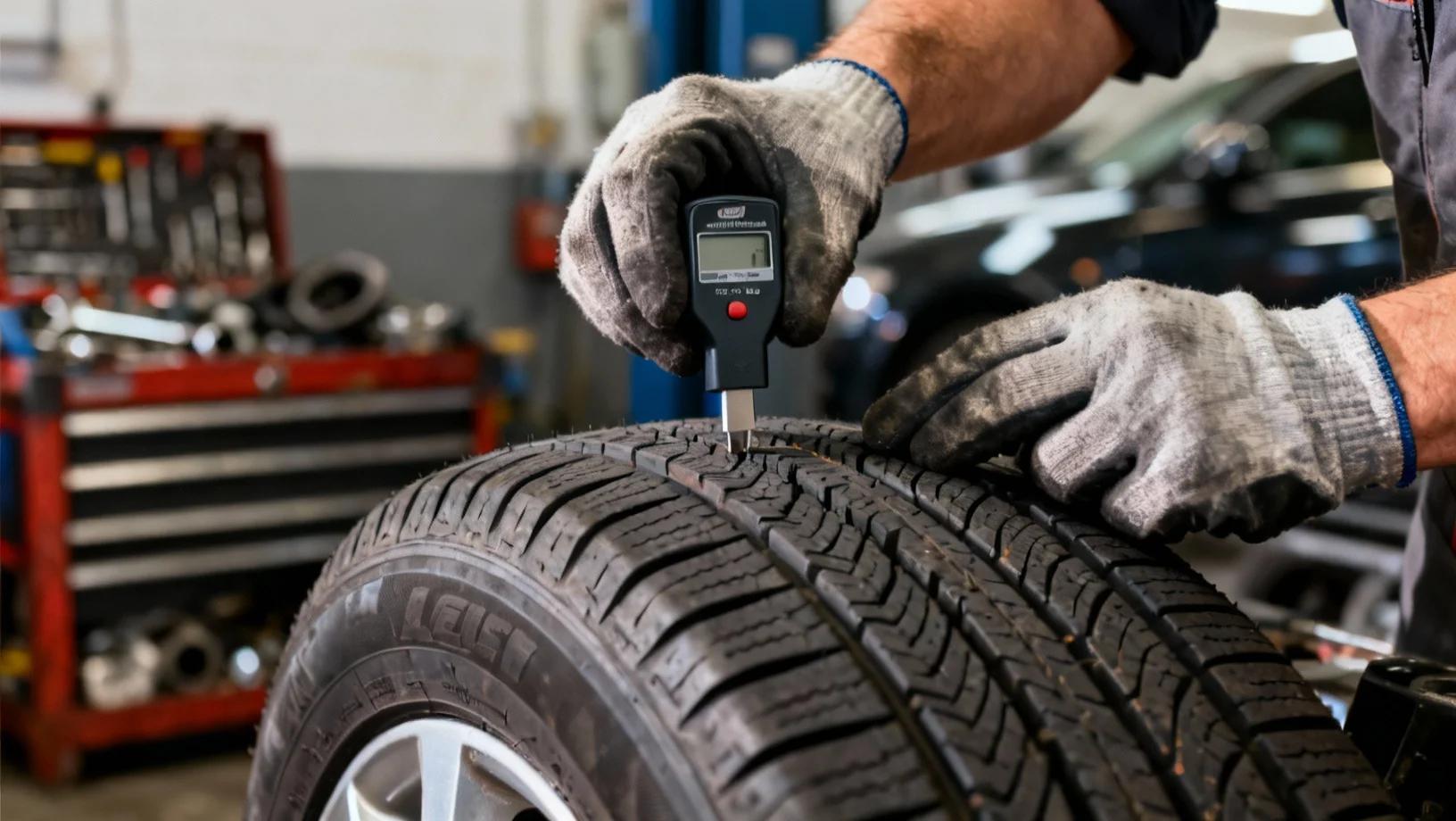
Worn tyres and unexpected punctures can affect braking, wet-weather grip and vehicle stability. For drivers looking for tyre replacement in Wyndham Vale, the important question is whether a tyre can remain safely in service or needs repair or replacement.
The right decision depends on tread depth, damage location, internal condition, tyre age and the vehicle manufacturer's recommendations. This guide covers the key considerations for Wyndham Vale, Tarneit, Point Cook and Melbourne's western suburbs.
When should you replace your car tyres?
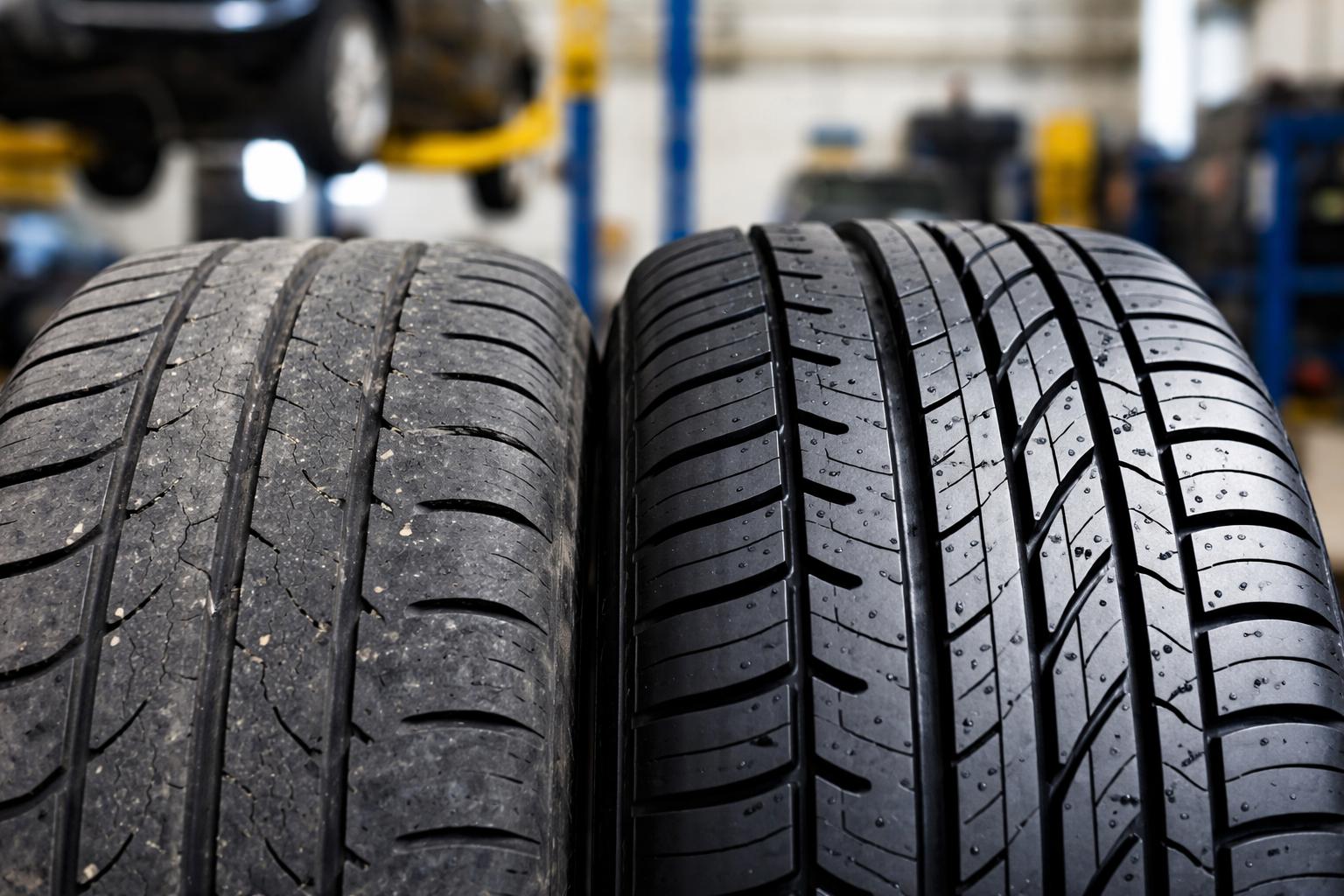
Tyres should be replaced when tread wear reaches the applicable legal limit, damage makes a safe repair impossible, or the tyre has deteriorated to an unsafe condition. Cracks, bulges, exposed cords, repeated pressure loss and uneven wear can all warrant prompt inspection. Do not wait for a tyre to fail before seeking advice.
Tyre wear can affect handling and braking before the tyre reaches its legal minimum. Monitor tread condition regularly and plan replacement before the tyre becomes unsafe, particularly if you frequently drive in rain or travel on highways.
What is the minimum legal tyre tread depth in Australia?
For many light vehicles, the commonly applicable minimum tread depth is 1.5 mm across the required tread area. Requirements can depend on vehicle category and the applicable state or territory rules, so confirm the current requirements for your vehicle and location.
The legal minimum is not necessarily the recommended replacement point for everyday driving. As tread wears down, the tyre has less capacity to move water away from its contact area, which can reduce wet-weather performance. Replacing tyres before they reach the legal minimum can provide a useful safety margin, depending on tyre condition and driving circumstances.
Why tread depth matters in wet weather
Tread grooves help channel water away from the tyre's contact patch. As the grooves become shallower, the tyre's ability to manage water can decline, increasing the risk of reduced grip and aquaplaning in some conditions. Speed, water depth, tyre design, inflation pressure and road surface also influence the risk.
Melbourne's changing weather makes regular tyre checks worthwhile. If you notice reduced wet-weather confidence, longer stopping distances or unusual handling, have the tyres inspected rather than assuming the tread is adequate because it looks acceptable at a glance.
When can a punctured tyre be repaired instead of replaced?
A punctured tyre may be repairable if the damage is in an approved tread area, within applicable repair limits, and the internal structure remains sound. A technician must assess the puncture location, damage dimensions and any evidence that the tyre has been driven while underinflated.
Sidewall and shoulder damage, extensive internal deterioration, unsuitable puncture damage or excessive tread wear can make replacement necessary. A repair should never be used to extend the life of a tyre that is already unsafe. Read our tyre puncture repair service information for more details.
Signs that your tyres need immediate attention
Bulges or bubbles in the sidewall
A bulge can indicate internal structural damage and a risk of sudden tyre failure. Avoid driving on a tyre with a bulge and arrange professional assistance. It is not a normal cosmetic issue and should not be ignored.
Cracks, exposed cords or visible damage
Cracking, cuts and exposed reinforcement materials can indicate that a tyre is no longer safe. Damage severity depends on its location and extent, but exposed cords or significant structural damage require urgent professional assessment and commonly mean replacement.
Uneven tread wear
Wear concentrated on one edge, both edges or the centre can be associated with alignment, inflation pressure, suspension or other issues. Replacing a tyre without investigating the cause may allow the replacement to wear prematurely. Ask for the underlying cause to be checked where appropriate.
Repeated loss of tyre pressure
A slow leak may come from a puncture, valve, bead seal or wheel issue. Repeatedly inflating a tyre without identifying the cause can leave you driving on an unsafe tyre. Arrange an inspection and avoid driving if the tyre is flat or visibly damaged.
Should you replace one tyre or a pair?
The correct approach depends on tread differences, tyre specifications, drivetrain design and manufacturer recommendations. Replacing one tyre may be suitable in some situations, while replacing tyres in pairs on the same axle can help maintain more consistent handling. Some all-wheel-drive vehicles have specific requirements for matching rolling circumference or tread depth.
Before replacing a single tyre, ask the technician to assess the remaining tyres and check the vehicle manufacturer's requirements. The correct size, load index, speed rating and vehicle specifications matter; the cheapest tyre is not automatically the right option.
Choosing the right replacement tyre
Replacement tyres should match the size and specifications approved for your vehicle. Load index, speed rating, construction, suitability for your driving conditions and manufacturer recommendations all matter. A tyre that physically fits the wheel is not necessarily the correct or safe option.
Consider your usual driving conditions, including city streets, wet roads, highway travel and the loads you carry. A qualified technician can explain the trade-offs in durability, comfort, noise and wet-weather performance without choosing solely on price.
Tyre replacement around Wyndham Vale, Tarneit and Point Cook
Drivers in Wyndham Vale and nearby western suburbs may notice tyre issues during daily commuting, school runs or longer highway journeys. If you discover a puncture or unusual wear, arrange an assessment before the problem becomes more serious. Whether repair or replacement is suitable depends on the tyre's actual condition, not the suburb where the vehicle is located.
For puncture-related assistance, review our tyre puncture repair information. You can also browse our automotive services and use the online booking page to arrange an assessment.
How to look after replacement tyres
Check tyre pressures regularly when the tyres are cold and follow the vehicle manufacturer's recommended pressures. Inspect tread and sidewalls, avoid kerb impacts where possible, and arrange an inspection if you notice vibration, pulling or repeated pressure loss. Rotation and wheel alignment should be carried out when appropriate for the vehicle and tyre setup.
Tyre pressure monitoring systems do not replace physical inspections. A warning may appear only after pressure has fallen, and some vehicles do not have a monitoring system. Routine checks remain an important part of vehicle maintenance.
Frequently Asked Questions
What is the minimum legal tyre tread depth in Australia?
For many light vehicles, the commonly applicable minimum is 1.5 mm across the required tread area, but requirements can vary by vehicle and jurisdiction. Confirm the current rules applicable to your vehicle and location.
Should I replace tyres before they reach the legal limit?
Replacing tyres before they reach the legal minimum can provide a useful safety margin, especially in wet conditions. The appropriate timing depends on tread wear, tyre condition and driving requirements.
Can I repair a flat tyre instead of replacing it?
Sometimes. A puncture may be repairable if it is in a permitted area, within applicable limits and the tyre has no unacceptable internal damage. A professional inspection is needed.
Can I replace just one tyre?
That depends on the remaining tread depth, tyre specifications, drivetrain and manufacturer guidance. Some vehicles require closely matched tyres, so have the setup checked before replacing only one.
What causes uneven tyre wear?
Uneven wear can be associated with incorrect inflation pressure, wheel alignment, suspension issues or other mechanical factors. Identifying the cause can help protect replacement tyres from premature wear.
How can I book a tyre inspection in Melbourne's west?
Review the tyre puncture repair service or visit the booking page to arrange an assessment.