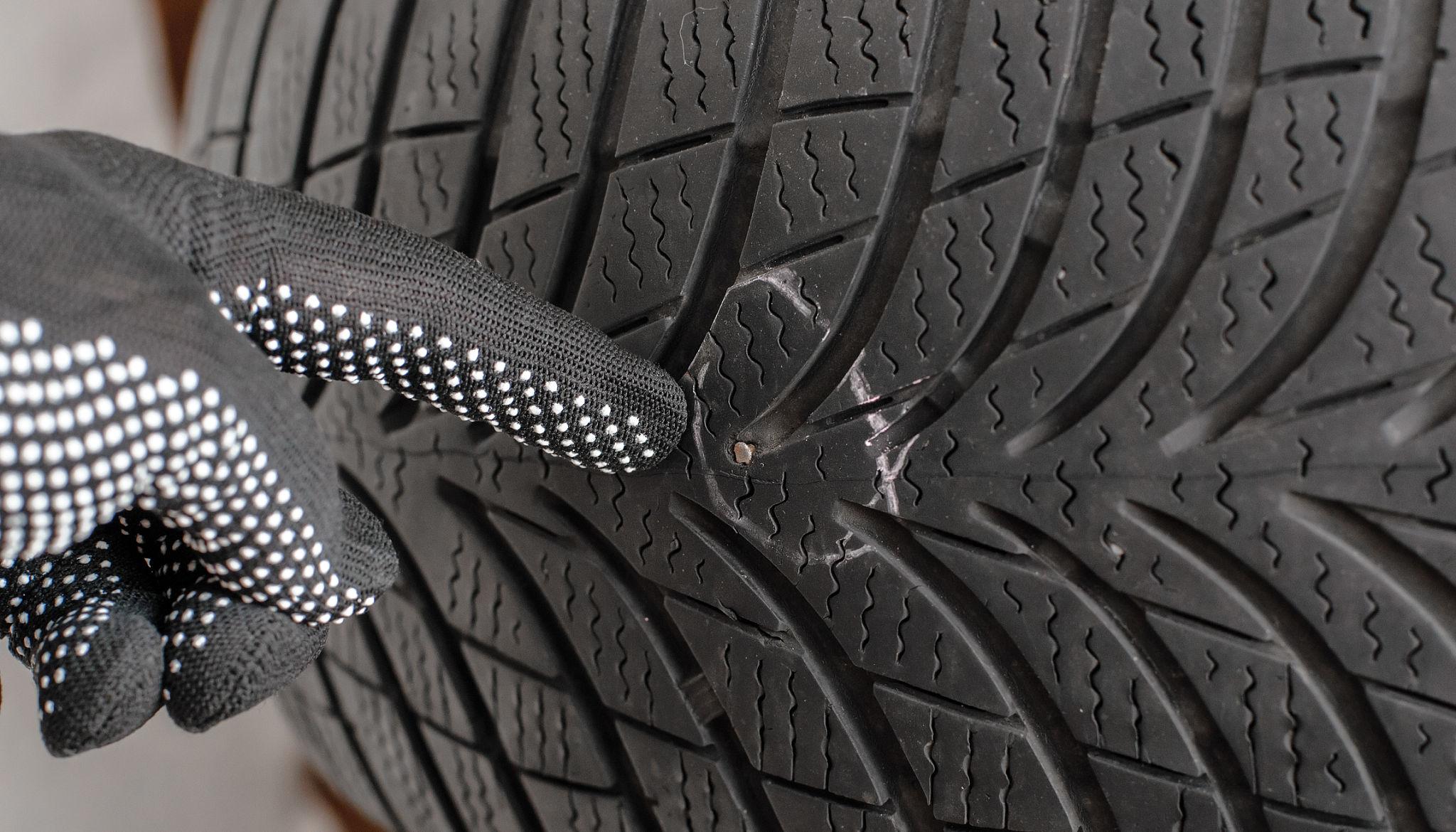
A flat tyre can disrupt your day, whether you are parked at home, travelling to work or driving around Melbourne's west. The good news is that some punctures can be repaired safely. However, not every puncture is repairable, and choosing between a plug, an internal patch or a replacement tyre depends on the damage and the tyre manufacturer's requirements.
Tyre puncture repairs may start from $30, subject to inspection, the type and location of damage, tyre condition and the provider's current pricing. Treat this as a starting point rather than a guaranteed quote, and confirm the current price and what's included before authorising the work.
This guide explains the main repair options, when a tyre needs replacing, the factors that affect cost and what to do if you discover a flat tyre on the road.
How Much Does Tyre Puncture Repair Cost in Melbourne?
The price of a puncture repair depends on whether the damage is repairable, how the tyre must be removed and inspected, and whether the tyre can safely return to service. A simple, repairable tread-area puncture may cost less than a tyre that needs replacement. Damage to the sidewall, shoulder or internal structure may mean that repair is not appropriate.
Puncture repair may start from $30, but the actual amount should be confirmed with the provider because prices, service inclusions and vehicle requirements can change. A starting price should not be interpreted as a promise that every puncture can be repaired for that amount.
When asking for a quote, explain the tyre size if you know it, where the vehicle is located, whether the tyre has completely deflated and whether you can see an object in the tread. Do not remove the object just to inspect the hole. The technician needs to assess the damage before confirming the suitable repair and price.
Plug vs Patch vs Replacement: What Is the Difference?
Tyre Plug
A plug is a repair material inserted into a puncture channel. However, a simple external plug should not automatically be treated as an appropriate permanent repair for every passenger-car tyre. A proper assessment must consider the puncture's size and location, the tyre's construction and the applicable repair requirements.
Some approved repair systems use a combination repair unit that seals the puncture channel and the inner liner. The correct method depends on the tyre, the damage and the manufacturer's guidance. A repair should not be selected simply because it is quick or inexpensive.
Internal Patch
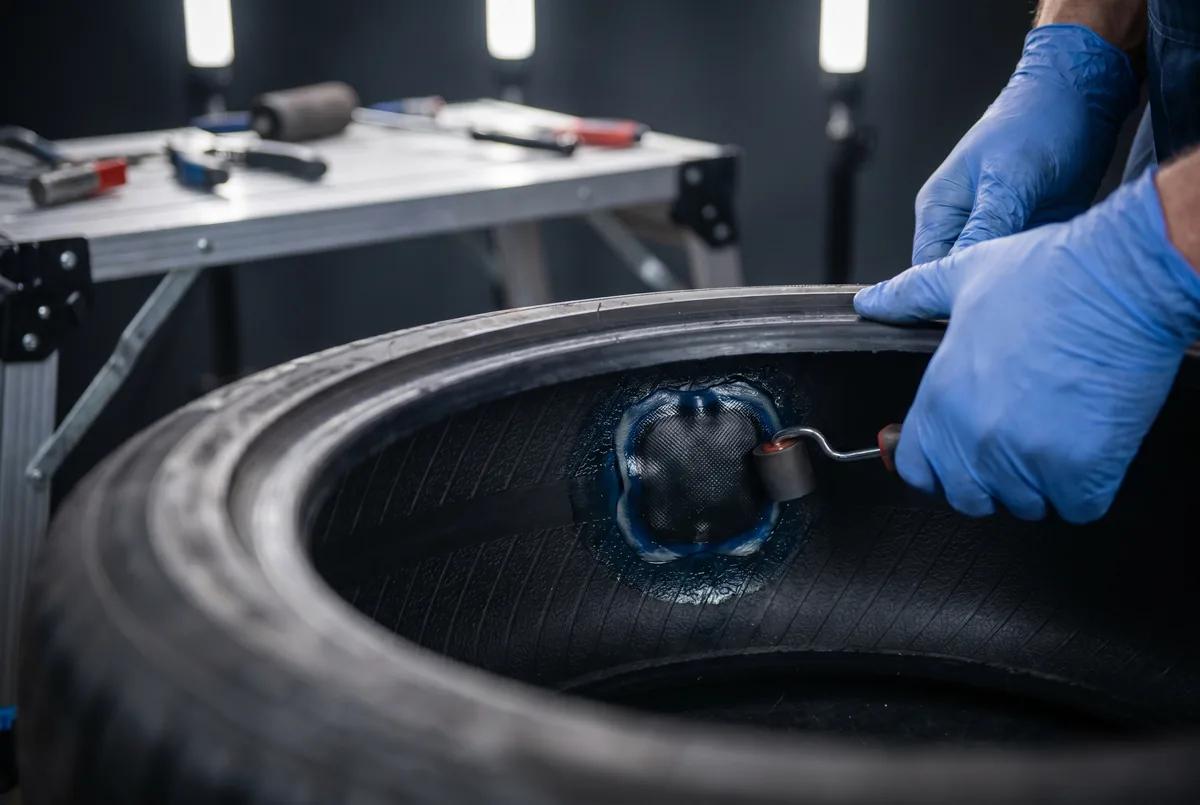
An internal patch is applied to the inside of a tyre after it has been removed from the wheel and inspected. The repairer can examine the inner liner and surrounding structure for signs of damage that may not be visible from outside.
An internal patch alone may not be suitable for every puncture. Approved repair procedures commonly require the puncture channel to be sealed as well, using a compatible repair system. The technician should follow the tyre and repair-system manufacturer's instructions rather than applying a generic patch to every hole.
Combination Repair Unit
A combination repair unit is designed to address both the puncture channel and the inner liner when used according to its approved procedure. It can be appropriate for certain repairable tread-area punctures, but it is not a solution for every tyre or every type of damage.
The technician must inspect the tyre internally, confirm that the puncture is within the permitted repair area and check that the damage size and condition meet the applicable requirements. If those conditions are not met, replacement may be necessary.
Tyre Replacement
Replacement is necessary when the tyre cannot be repaired safely. Reasons may include sidewall or shoulder damage, an oversized or unsuitable puncture, exposed cords, structural damage or evidence that the tyre has been driven while severely underinflated.
Replacing a tyre costs more than a straightforward repair, but a damaged tyre should not be kept in service just to reduce the immediate bill. The correct replacement must match the vehicle's size, load and speed requirements and any relevant manufacturer instructions.
Which Tyre Punctures Can Usually Be Repaired?
A small puncture caused by a nail or similar object in the permitted tread area may be repairable if the tyre has not suffered internal damage and meets the applicable repair requirements. The technician must inspect the tyre rather than judging the hole only by its appearance from the outside.
Repair suitability depends on several factors:
- Location: The damage must be within the repairable area permitted by the tyre and repair-system requirements. Sidewall and shoulder damage is generally not suitable for a conventional puncture repair.
- Size: The puncture must be within the permitted limits for the tyre and the approved repair method.
- Internal condition: The liner, casing and internal structure must not show damage that makes repair unsafe.
- Previous repairs: Earlier repairs, their location and the condition of the surrounding tyre can affect whether another repair is permitted.
- Tyre wear and age: A severely worn, aged or otherwise unserviceable tyre may need replacement even if the hole itself appears small.
- Run-flat or specialist construction: Some tyres have specific inspection and repair requirements, so the technician must follow the applicable manufacturer's instructions.
These are general principles, not permission to repair a tyre without inspection. The correct decision must follow the tyre manufacturer's guidance, the approved repair system and applicable Australian requirements.
When Should a Punctured Tyre Be Replaced?
A tyre should not be repaired when the damage or condition means it cannot safely return to service. A puncture in the sidewall or shoulder, a large or irregular cut, exposed structural cords, significant internal damage or evidence of severe underinflation can make repair unsuitable.
Driving on a flat or severely underinflated tyre can damage the inner structure even if the outside looks relatively normal. A technician may find internal abrasion, heat damage or deformation after removing the tyre from the wheel. That is one reason an external plug or quick visual inspection cannot establish that every puncture is safe to repair.
If the tyre has a bulge, deep cut, exposed cords or rapid pressure loss, do not continue driving on it. Arrange a suitable spare-wheel change only if it is safe and you can follow the vehicle manufacturer's instructions, or request roadside assistance or recovery.
Can You Drive With a Nail in Your Tyre?
It depends on the tyre's condition and how quickly it is losing pressure, but you should not assume that a tyre with a nail is safe to drive on. Removing the nail may cause air to escape more rapidly, so leave it in place until the tyre can be assessed.
If the tyre is visibly flat, the vehicle is difficult to control or pressure is dropping quickly, stop in a safe place and arrange assistance. Do not drive on a flat tyre to reach a repair shop. Even a short distance can damage the tyre internally and turn a potentially repairable puncture into a replacement job.
If the tyre appears inflated, there is no visible structural damage and you are in a safe location, follow the vehicle manufacturer's guidance and seek professional advice about the next step. A tyre pressure monitoring system warning should not be ignored, even if the tyre still looks normal.
What Affects the Total Cost of Flat Tyre Repair?
The repair method is only one part of the total cost. The condition of the tyre, the work required to remove and inspect it, the vehicle's location and whether a replacement is necessary can all affect the quote.
- Repair method: The approved repair procedure depends on the puncture and tyre design.
- Tyre condition: Internal damage or an unsuitable repair location may require a replacement tyre.
- Tyre size and type: Standard passenger tyres, low-profile tyres, run-flat tyres and specialist fitments can have different service requirements.
- Wheel removal and refitting: Labour and equipment needs vary by vehicle and wheel design.
- Balancing and related work: Depending on the service performed, wheel balancing or other checks may be needed.
- Mobile service and travel: Availability, distance and the location of the vehicle may affect the total charge.
- Replacement tyre specification: If repair is unsuitable, the correct replacement's size, brand and performance characteristics influence cost.
Before work begins, ask whether the quote includes inspection, tyre removal, the repair materials, refitting and balancing if required. If the tyre is not repairable, ask for the replacement options and total cost before approving further work.
What Happens During a Professional Puncture Repair?
The technician first assesses the tyre and confirms whether it is safe to handle and potentially repairable. The tyre is generally removed from the wheel so the inner liner and casing can be inspected. The puncture's location, size, direction and any internal damage are assessed against the applicable repair requirements.
If the tyre is suitable, the repairer follows the approved preparation and repair procedure for the selected repair system. The tyre is then refitted and inflated to the correct pressure, with the required checks completed before it returns to service. The exact procedure depends on the tyre and repair method.
If the tyre fails the inspection, the repairer should explain why it is unsuitable and recommend an appropriate replacement. A responsible repair decision prioritises the tyre's structural condition and road safety over simply completing the cheapest repair.
How to Reduce the Risk of Future Punctures
You cannot prevent every puncture, but regular tyre checks can help you identify developing problems before they become more serious. Inspect the tread and sidewalls periodically for cuts, bulges, embedded objects and unusual wear. Check tyre pressures against the manufacturer's recommended values and pay attention to pressure-monitoring warnings.
Avoid driving over road debris where it is safe to do so, and have repeated pressure loss investigated. If one tyre wears much faster than the others, ask for the underlying cause to be checked rather than simply replacing the tyre. Alignment, inflation, suspension condition and driving conditions can all influence tyre wear.
Tyre Puncture Repair in Melbourne
If you have a flat tyre in Melbourne, provide the vehicle's location, tyre size if known, the nature of the damage and whether the vehicle can be moved safely. Mention if the tyre is completely flat, if a pressure warning has appeared or if the vehicle has been driven while underinflated. These details help determine what assistance may be appropriate.
Learn more about our tyre puncture repair service, explore our mechanic services or book a service to discuss your tyre and available options.
Frequently Asked Questions
How much does tyre puncture repair cost in Melbourne?
Puncture repair may start from $30, but the actual price depends on the provider's current rates, the tyre's condition, the damage location and the repair method. Confirm the current quote and included work before authorising a repair.
Is a tyre plug or patch better?
The appropriate repair depends on the puncture, tyre construction and approved repair procedure. A simple external plug or an internal patch used on its own is not automatically suitable for every tyre. The tyre should be removed and inspected, and the repair method should follow the applicable requirements.
Can a puncture in the sidewall be repaired?
Sidewall damage is generally not suitable for a conventional puncture repair because the sidewall flexes significantly during use. The tyre should be professionally inspected and replaced when the damage makes it unserviceable.
Can I drive with a nail in my tyre?
Do not assume it is safe. If the tyre is flat, losing pressure quickly or visibly damaged, stop safely and arrange assistance. Leave the object in place until the tyre can be assessed, as removing it may release air more rapidly.
Why does a tyre need to be removed from the wheel for repair?
Removing the tyre allows the repairer to inspect the inner liner and casing for damage that may not be visible from the outside. The puncture's location, size and internal condition help determine whether repair is safe.
Does every puncture need a new tyre?
No. Some punctures in the permitted tread area may be repairable if the damage meets the applicable requirements and the tyre has no disqualifying internal damage. Sidewall damage, excessive wear and structural damage may require replacement.
Can driving on a flat tyre make it unrepairable?
Yes. Driving while severely underinflated can damage the tyre's internal structure, even if the external damage appears small. The tyre must be removed and inspected before repairability can be determined.