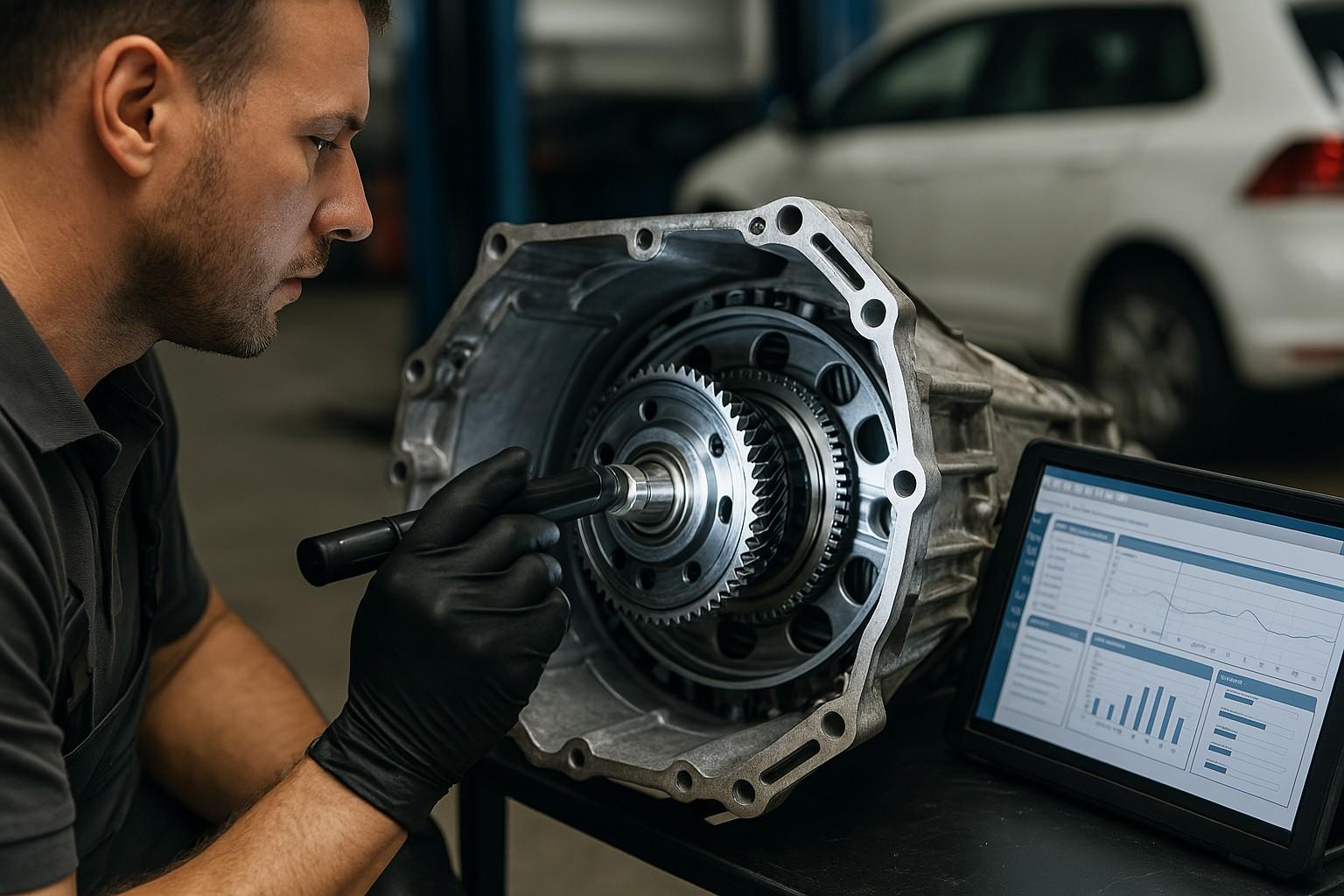
Transmission service is easy to overlook because a car can continue to drive normally while its fluid ages. But automatic transmissions and continuously variable transmissions (CVTs) rely on the correct fluid, temperature control and carefully designed components to operate as intended. The right maintenance plan depends on the exact vehicle and transmission—not simply whether the car is labelled automatic.
This guide explains what transmission servicing usually involves, how CVT requirements differ, what can affect the cost in Melbourne and which warning signs deserve attention. If you need help identifying the right maintenance for your vehicle, explore transmission service options or contact the team through the online booking page with your make, model, year and odometer reading.
Quick answer: how often should transmission service be done?
Use the maintenance schedule for your exact vehicle and transmission. There is no safe universal kilometre interval that applies to every automatic, dual-clutch or CVT transmission. The schedule may depend on fluid type, vehicle design, age, towing, stop-start driving, high temperatures and other operating conditions.
Check the owner’s handbook or manufacturer service information. If the vehicle has an uncertain service history, ask a qualified mechanic to identify the transmission and confirm the appropriate inspection or fluid-service procedure before work begins.
What does a transmission service include?
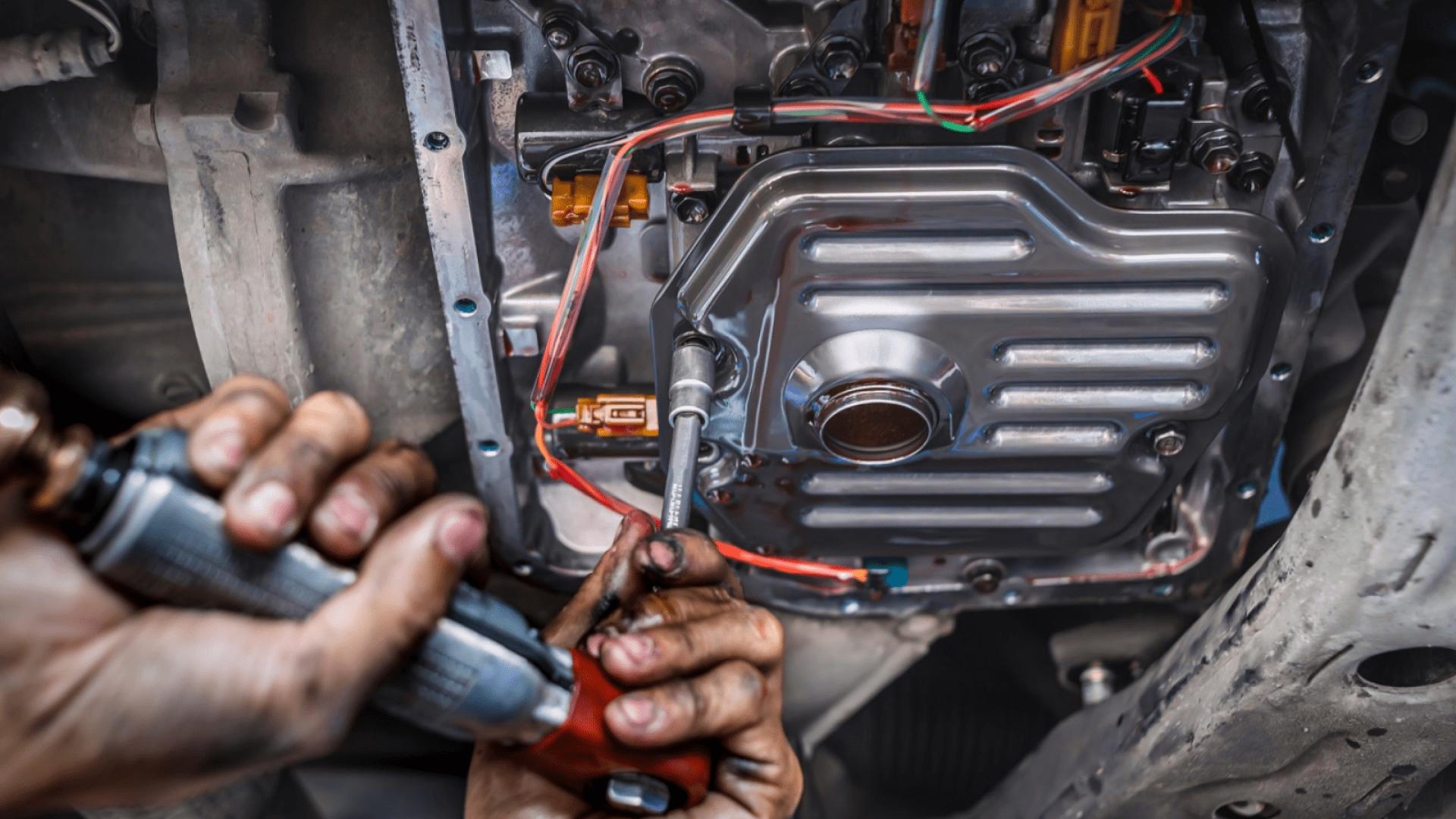
The term can describe different work, so ask what the quote actually covers. Depending on the vehicle and the service plan, a transmission service may include:
- Checking for fluid leaks around the transmission, cooler lines, seals and related components.
- Inspecting fluid condition where the manufacturer provides an approved checking procedure.
- Draining and refilling the specified transmission fluid, if required.
- Replacing a serviceable filter, pan gasket or other parts when the design and maintenance procedure call for it.
- Cleaning or inspecting the pan and magnets where applicable.
- Setting the fluid level using the specified temperature and procedure.
- Checking for diagnostic trouble codes or symptoms when there is a reason to investigate operation.
Not every transmission has a conventional dipstick or a routine filter replacement. Some require a precise temperature window and model-specific process to set the fluid level correctly. A generic procedure can be unsuitable, so the technician should identify the exact transmission before quoting.
Automatic transmission vs CVT: what is different?
Conventional automatic transmissions
A conventional automatic generally uses planetary gearsets, clutches and hydraulic control to provide different gear ratios. Its fluid helps transmit hydraulic force, lubricate components and manage heat. The required fluid type and service procedure vary considerably across vehicles.
Continuously variable transmissions (CVTs)
A CVT changes its ratio continuously within its designed operating range rather than shifting through a set of conventional fixed gears. Different CVT designs use different internal mechanisms and require specifically formulated fluids. The correct fluid is important because friction behaviour and lubrication properties are part of how the transmission operates.
Do not select fluid based only on the word “CVT”. Toyota, Nissan, Subaru and other manufacturers use different transmission families and specifications. Even within one brand, requirements can vary by model, year and powertrain. Verify the precise fluid approval and procedure before servicing.
Signs your transmission needs inspection
Book an assessment if you notice a new or persistent change in how the vehicle drives. Possible warning signs include:
- Delayed engagement: The vehicle takes longer than expected to respond after selecting Drive or Reverse.
- Harsh or unusual shifts: Gear changes feel different from the vehicle's normal behaviour.
- Slipping or rising engine speed: Engine revs increase without the expected acceleration.
- Shuddering or vibration: The car shakes under particular speeds or loads.
- Unusual whining, humming or clunking: Noise may come from the transmission or another drivetrain component.
- Fluid beneath the vehicle: A leak may come from a transmission seal, cooler line or another system, so its source must be confirmed.
- Warning lights or fault messages: Electronic faults can require a scan and a proper diagnostic process.
These symptoms are not proof that the transmission fluid is the cause. Mounts, axles, engine performance, sensors and other components can create similar complaints. Replacing fluid or parts without diagnosis may not resolve the underlying problem.
What affects transmission service cost in Melbourne?
Transmission service prices vary because vehicles use different fluids, capacities and access procedures. Factors that can influence a quote include:
- Transmission design: Conventional automatics, CVTs and dual-clutch units may require different procedures.
- Fluid specification and quantity: Correctly approved fluid can have a significant effect on materials cost.
- Access and labour: Some vehicles need additional components removed or a controlled temperature procedure.
- Filter and pan design: A serviceable filter, integrated pan or required gasket can change parts and labour needs.
- Diagnostic work: Existing symptoms, stored codes or a leak may require investigation before maintenance is recommended.
- Additional repairs: Damaged seals, cooler lines or other faults are separate from a routine fluid service.
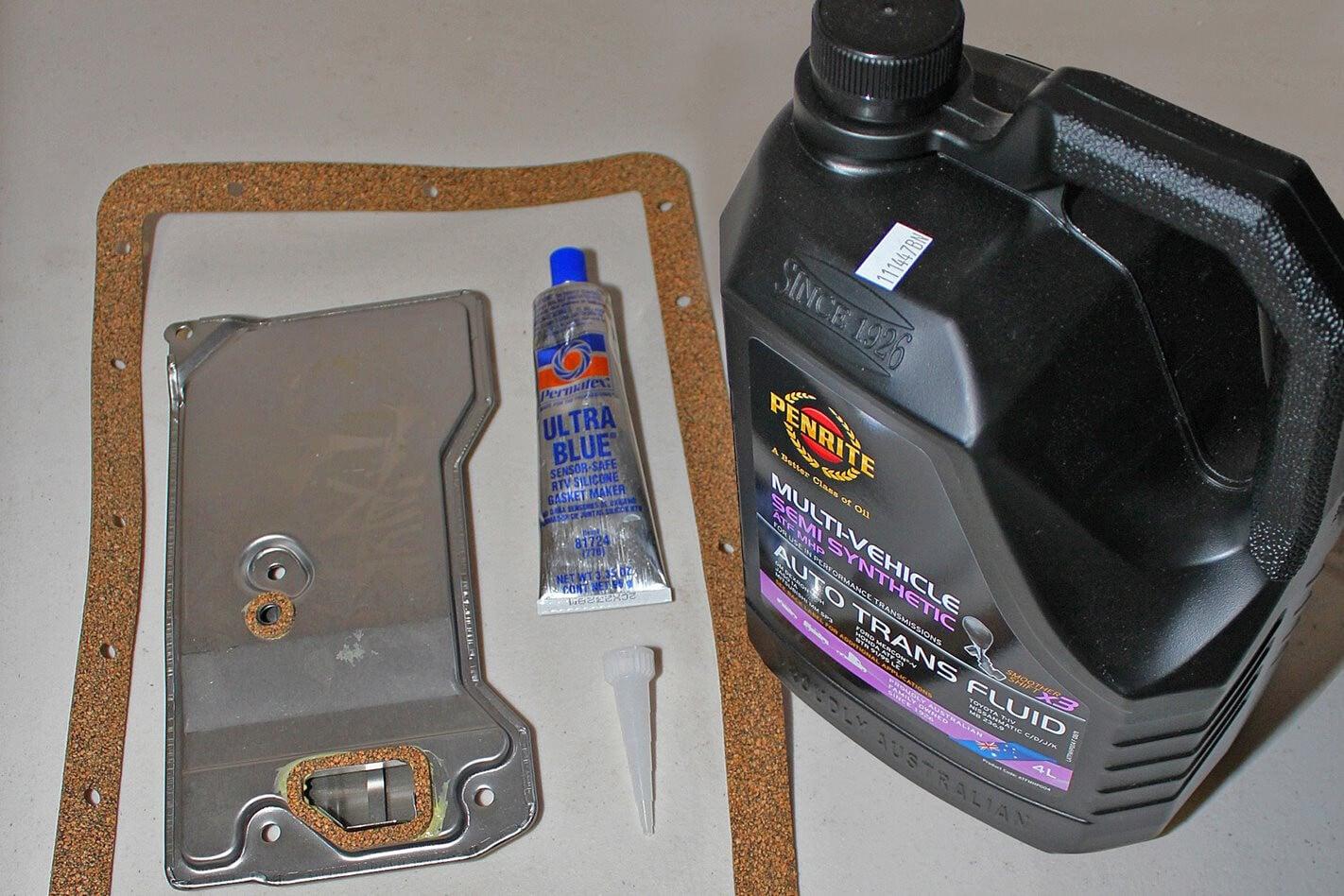
Ask for a written quote that identifies the fluid specification, quantity, included parts, labour, checks and any additional fees. Confirm whether the quote is for a drain-and-fill, filter service, inspection or another procedure. A low headline price is not a fair comparison if the work included is different.
Is a transmission flush better than a drain-and-fill?
Neither procedure is automatically best for every car. Some manufacturers specify a particular fluid replacement method, while others provide model-specific guidance based on the transmission design and condition. A flush should not be treated as a universal fix for slipping, shuddering or neglected maintenance.
If your vehicle has high kilometres or an incomplete service history, tell the mechanic before work starts. Ask what the manufacturer recommends for that transmission and why the proposed method is appropriate. If symptoms are present, diagnosis may be needed before deciding on maintenance.
How to help your transmission last longer
- Follow the exact service schedule and keep invoices or records of previous work.
- Use only fluid that meets the required manufacturer specification.
- Address leaks promptly rather than topping up with an unverified fluid.
- Follow the vehicle's guidance for towing, heavy loads and operating conditions.
- Do not ignore new shift behaviour, unusual noise, overheating warnings or fault messages.
- Tell the mechanic about symptoms, recent repairs and any previous fluid service.
Before booking a transmission service
Have your registration or vehicle details, current odometer reading and any service history ready. Describe any leak, noise, delay or shift change and when it occurs. This helps the workshop determine whether you need scheduled maintenance, an inspection or diagnosis of a specific fault.
Review transmission service information, browse other automotive services or submit your details through the online booking page. The correct recommendation should be based on the exact transmission and its manufacturer requirements.
Frequently asked questions
How often should automatic transmission fluid be changed?
There is no universal interval. Follow the maintenance schedule for your exact vehicle, transmission type and operating conditions. Some transmissions have specific fluid-change procedures, while others have inspection or service requirements that differ by model.
Does a CVT need a different type of transmission service?
Yes. A continuously variable transmission can require a fluid with specific friction characteristics and a model-specific service procedure. Use only the fluid specification and method approved for the exact transmission.
How much does transmission service cost in Melbourne?
The price depends on the vehicle, transmission design, fluid specification and quantity, filter or pan requirements, access, diagnostic checks and whether additional faults are found. Ask for an itemised quote rather than relying on a single price for every car.
What are signs that transmission fluid needs attention?
Possible signs include fluid leaks, unusual noises, delayed engagement, slipping, shuddering or harsh shifts. These symptoms can have several causes and should be diagnosed rather than automatically attributed to old fluid.
Can I drive with a transmission fluid leak?
A suspected transmission leak should be assessed promptly. Low fluid can damage some transmissions, and a severe leak or abnormal shifting may make continued driving unsafe. Stop in a safe place and seek professional advice if the vehicle behaves abnormally.
Is a transmission flush always necessary?
No. A flush is not automatically required for every vehicle. The correct procedure depends on the manufacturer’s instructions, transmission condition and service history. Ask the mechanic to explain why a proposed flush or drain-and-fill procedure is appropriate.
Do Toyota, Nissan and Subaru CVTs all use the same fluid?
No. Fluid requirements vary by manufacturer, transmission family and model. Never assume that a fluid labelled for one CVT is suitable for another; verify the exact specification in authoritative service information.
Should I service the transmission if the car has no symptoms?
Preventive maintenance may be required even when a transmission feels normal. Follow the manufacturer’s schedule and keep service records, because waiting for symptoms can allow some problems to progress.
The bottom line
Transmission maintenance is vehicle-specific, and CVTs need particular care because their fluid requirements and service procedures can differ from conventional automatics. Follow the correct schedule, verify the exact fluid specification, and investigate leaks or changes in driving behaviour promptly. Ask for an itemised quote so you know what work is proposed and why.