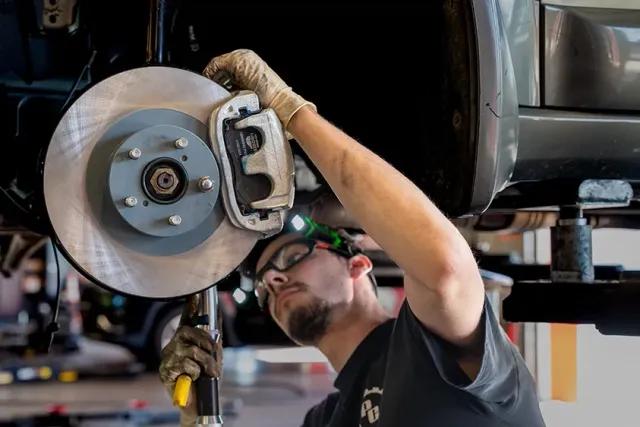
A sticking brake caliper is a brake-system problem that should never be ignored. You may notice the car pulling to one side, a wheel becoming unusually hot, a burning smell after driving or brake pads wearing unevenly. Sometimes the symptoms are subtle at first, but continued driving can increase heat and wear and affect braking performance.
The caliper helps press the brake pads against the rotor when you apply the brake pedal. If it cannot apply or release pressure correctly, the brakes may drag or fail to clamp as expected. This guide explains the symptoms, likely causes, how technicians assess a sticking caliper and what influences repair-versus-replacement costs in Melbourne.
What Does a Brake Caliper Do?
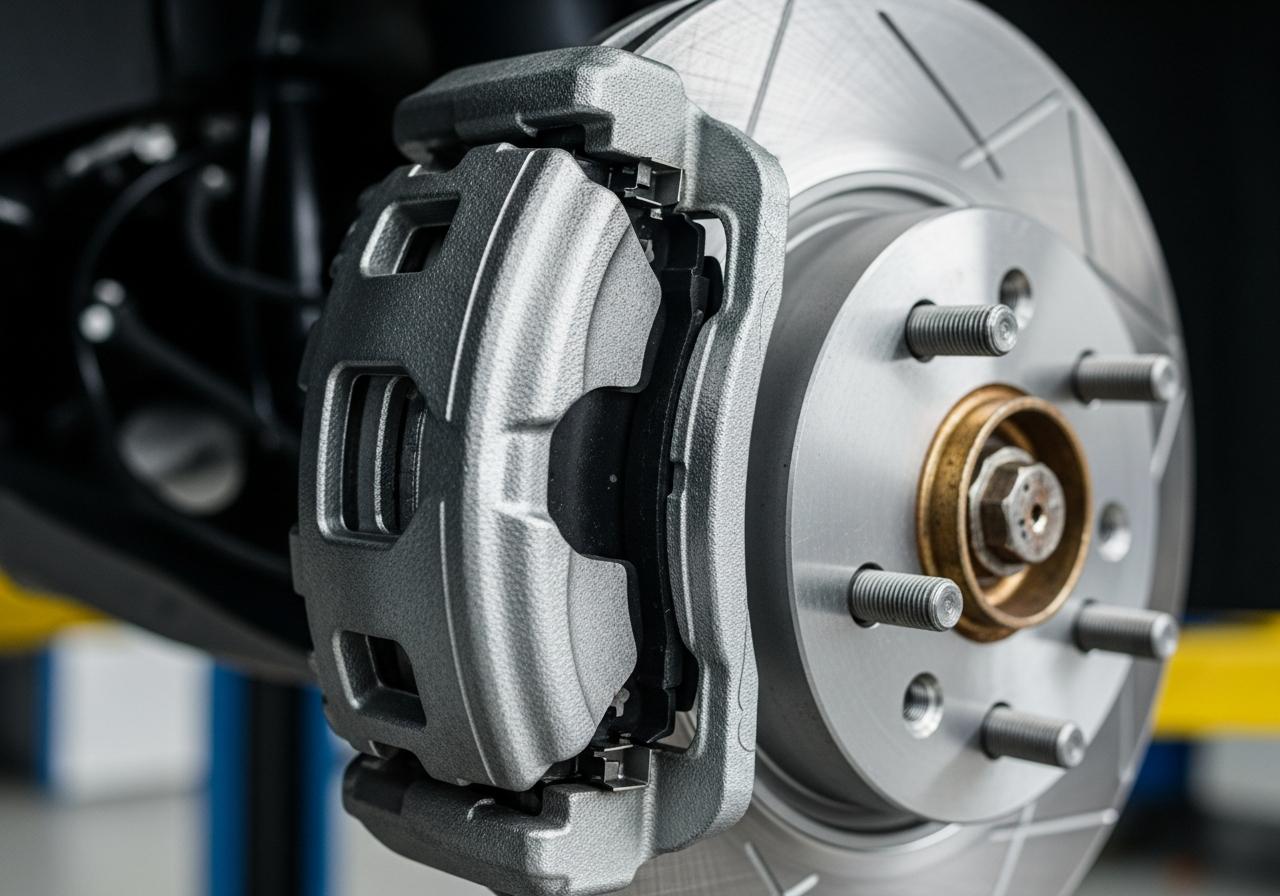
A disc-brake caliper holds the brake pads and applies clamping force to the brake rotor. When you press the brake pedal, hydraulic pressure moves the caliper piston or pistons, bringing the pads into contact with the rotating rotor and slowing the wheel. When you release the pedal, the brake assembly should release sufficiently to allow the wheel to rotate without excessive drag.
Different vehicles use different caliper designs. Many passenger cars use floating calipers that move on guide pins, while some vehicles use fixed calipers with pistons arranged on both sides of the rotor. Failure points and repair procedures depend on the design and vehicle manufacturer.
Seven Signs of a Sticking Brake Caliper
1. The Car Pulls to One Side When Braking
If one side brakes more strongly than the other, you may feel the steering wheel or vehicle move to one side during braking. A sticking caliper can contribute, but tyre pressure, tyre condition, suspension faults and other brake problems can produce similar symptoms. A vehicle that suddenly pulls strongly or feels unstable should be checked promptly.
2. A Wheel or Brake Assembly Becomes Unusually Hot
A caliper that does not release properly can leave the brake pads in contact with the rotor. That friction creates extra heat, even when you are not actively braking. Do not touch a suspected hot wheel, rotor or caliper, and never pour water onto overheated brakes. Leave the vehicle safely parked and arrange an inspection.
3. You Notice a Burning Smell
Excessive brake friction can produce a hot or burning smell, particularly after a short journey or when the vehicle has not been braking heavily. A strong smell, smoke or signs of overheating warrant stopping in a safe place and seeking assistance. Other faults can also cause burning smells, so do not assume the caliper is the only possible cause.
4. Brake Pads Wear Unevenly
If one pad wears much faster than the other, or one wheel's pads wear differently from those on the opposite side, the caliper, guide pins, piston or related hardware may not be operating correctly. Uneven wear is a useful inspection clue, but it must be assessed alongside rotor condition and the complete brake assembly.
5. The Vehicle Feels Sluggish or Resists Rolling
A dragging brake can make the vehicle feel as if it is being held back. The engine may seem to work harder and fuel consumption may increase. Wheel bearings, transmission issues and other mechanical problems can also cause resistance, so diagnosis should identify which component is responsible.
6. Brake Noise or Vibration Develops
Dragging pads, uneven pad wear or heat-damaged rotors can contribute to scraping, squealing or vibration. Noise by itself does not prove a caliper has seized. The pads, rotor surface, caliper movement and associated hardware should all be inspected before deciding on the repair.
7. The Brake Pedal or Braking Response Changes
A sticking caliper may cause inconsistent braking behaviour, although a soft, sinking or unusually hard pedal can indicate other serious brake-system faults. If the pedal feels abnormal, braking performance drops or a brake warning appears, do not continue driving as though the vehicle is safe. Arrange professional assessment or recovery.
Why Do Brake Calipers Stick or Seize?
Calipers operate in a harsh environment exposed to water, road grime, heat and brake dust. Over time, corrosion, worn seals or damaged protective boots can interfere with normal movement. The cause needs to be identified because cleaning or lubricating one part may not resolve an internal hydraulic or mechanical problem.
- Corroded guide pins: On floating-caliper designs, restricted guide-pin movement can prevent the caliper from sliding as intended.
- Damaged rubber boots or seals: Torn protective boots can allow moisture and dirt to reach moving parts.
- Corrosion around the piston: Corrosion or internal damage can interfere with piston movement.
- Restricted brake hose: A damaged or internally restricted hose can sometimes prevent hydraulic pressure from releasing normally.
- Incorrect or contaminated lubricant: Unsuitable products or poor servicing practices can damage rubber components or restrict movement.
- Neglected brake maintenance: Worn pads, damaged hardware and unaddressed corrosion can contribute to poor brake operation.
A sticking caliper is not always the original cause of every symptom. A technician should check the hydraulic system, pad fitment, guide pins, piston, hose and rotor condition to determine why the brake is dragging.
Can a Sticking Brake Caliper Be Repaired or Must It Be Replaced?
Repair may be possible when the caliper body and piston remain serviceable and the fault is limited to components that can be safely renewed under the manufacturer's procedure. Depending on the design and condition, the repair might involve appropriate servicing of guide pins and hardware or a suitable caliper rebuild using compatible parts.
Replacement is more likely to be appropriate when the caliper is severely corroded, the piston or bore is damaged, the body is compromised, or a reliable repair is not practical. The correct choice depends on the vehicle, the nature of the fault, parts availability and applicable service requirements.
Do not attempt to free a seized caliper by forcing components or applying random lubricants. Brake components need the correct parts, products, torque settings and bleeding procedure. Incorrect work can compromise braking safety.
Repair vs Replacement: What Affects the Cost in Melbourne?
There is no single price that applies to every sticking brake caliper. The total depends on the vehicle and the extent of the damage. A minor serviceable issue can involve a different amount of work from a corroded caliper that needs replacement alongside pads or a heat-damaged rotor.
- Vehicle make and model: Caliper design, parts pricing and access vary between vehicles.
- Repair or replacement parts: A rebuild, replacement caliper or complete assembly can have different parts and labour requirements.
- Brake-pad and rotor condition: Excessive heat or dragging may damage pads and rotors that would otherwise have remained serviceable.
- Hydraulic work: Opening the hydraulic system may require appropriate bleeding and additional checks.
- Related faults: A restricted hose, damaged guide hardware or another brake-system issue may need separate repair.
- Testing and verification: The braking system must be checked after the repair to confirm correct operation.
Ask for a quote that explains which caliper is affected, what caused it to stick, whether the pads and rotors have been assessed, which parts will be replaced and what testing is included. This is more useful than choosing a repair based only on the cheapest initial price.
Can You Drive With a Sticking Brake Caliper?
Continuing to drive with a sticking caliper can cause excessive heat, rapid component wear, reduced braking efficiency and damage to nearby parts. If you notice smoke, a strong burning smell, severe pulling, a very hot wheel or a change in brake-pedal behaviour, stop somewhere safe and arrange assistance. Do not touch hot brake components or try to cool them with water.
If the vehicle is difficult to control or braking performance is compromised, do not drive it to a workshop. Arrange suitable recovery or professional assistance. A brake fault is a safety issue, not a repair to postpone until the next routine service.
What Happens During a Brake Caliper Inspection?
A technician will generally review the symptoms, inspect the affected wheel and assess pad and rotor condition. Depending on the vehicle and fault, the caliper's mechanical movement, guide pins, piston, protective boots, hose and hydraulic operation may need checking. The inspection should also consider whether heat has damaged nearby components.
After a repair, the appropriate installation, hydraulic bleeding where required and braking checks must be completed. The vehicle should not be returned to normal use until the brake system has been verified as safe and operating correctly.
Brake Caliper Repair in Melbourne
If your vehicle pulls when braking, smells of hot brakes or shows uneven brake-pad wear, describe the symptoms and when they occur when arranging an inspection. Explain whether the issue began suddenly, whether any brake work was done recently and whether a warning light is present.
Read about our brake caliper replacement service, browse our mechanic services or book a service to discuss the next steps.
Frequently Asked Questions
What are the most common symptoms of a sticking brake caliper?
Symptoms can include pulling to one side, excessive heat at a wheel, a burning smell, uneven pad wear, dragging or unusual brake noise. These signs can have other causes, so the full brake assembly should be inspected.
Can a sticking brake caliper be repaired?
Sometimes. If the caliper body and piston are serviceable and the fault can be repaired according to the vehicle's requirements, a suitable repair may be possible. Severe corrosion or internal damage may make replacement the safer option.
How much does brake caliper replacement cost in Melbourne?
The cost depends on the vehicle, caliper type, parts, labour, brake-pad and rotor condition, and any additional hydraulic work. Request a vehicle-specific quote that explains the diagnosis and included work.
Can I drive with a seized brake caliper?
A seized or dragging caliper can overheat the brakes and affect braking performance. If there is severe pulling, smoke, a strong burning smell or altered braking, stop safely and arrange assistance.
Can a sticking caliper damage brake rotors and pads?
Yes. Continuous friction can cause excessive heat and accelerated or uneven wear. A technician should inspect the pads and rotor as well as the caliper before deciding which components need replacement.
Why does my car pull to one side when braking?
A sticking caliper is one possible cause, but tyre, suspension and other brake-system faults can create similar symptoms. Sudden or severe pulling should be assessed promptly because it may affect vehicle control.
Does a sticking brake caliper always need replacing?
No. The correct repair depends on the design, the condition of the piston and body, corrosion, available service parts and the manufacturer's requirements. Inspection is needed before choosing between repair and replacement.