You turn the key or press the start button, but the engine does not start. Perhaps you hear one click, several rapid clicks or an unusual grinding sound. These symptoms can be frustrating, especially when your car is parked at home, at work or in a shopping centre around Melbourne.
A failing starter motor is one possible cause, but it is not the only explanation. A weak battery, loose terminals, a faulty starter relay, damaged wiring or an immobiliser issue can produce similar symptoms. This guide explains six signs of starter motor trouble, what affects starter motor replacement costs in Melbourne and what should be checked before you authorise a repair.
What Does a Starter Motor Do?
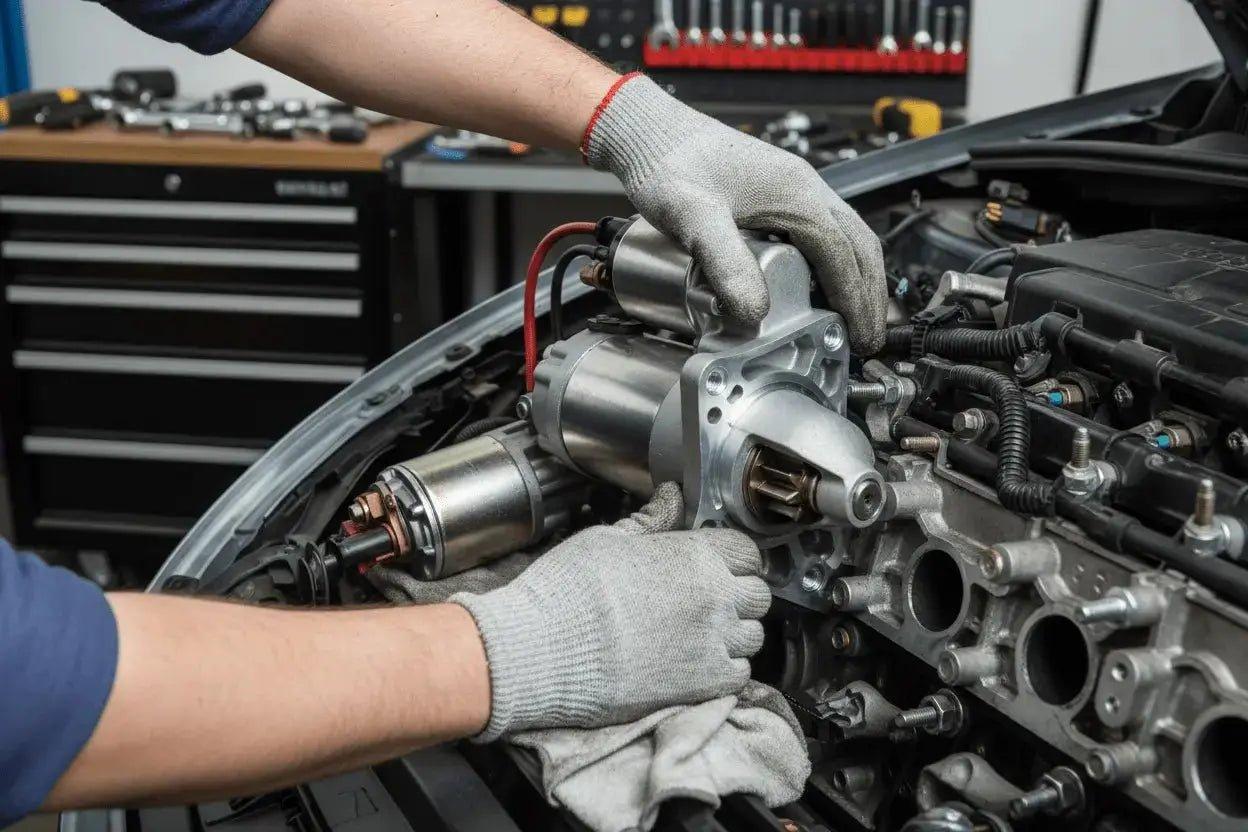
The starter motor is an electric motor that turns the engine so combustion can begin. When you turn the ignition key or press the start button, the starting circuit activates the starter system. The starter motor then engages the engine's flywheel or ring gear and cranks the engine.
Once the engine starts and runs independently, the starter motor is no longer needed to keep it running. If the starter motor or its control circuit fails, the engine may not crank even when the battery has enough charge to power the lights and dashboard.
Starting systems differ between vehicles. Some modern vehicles use electronic start controls, security interlocks and more complex diagnostic systems, so the correct testing procedure depends on the make, model, year and engine configuration.
Six Signs Your Starter Motor May Be Failing
1. A Single Click When You Try to Start
A single click with no engine cranking can occur when the starter solenoid operates but the motor does not turn the engine. Worn starter contacts, an internally damaged motor or a poor high-current connection may be responsible. However, a discharged battery or poor battery connection can produce a similar result, so the sound alone does not confirm a failed starter.
2. The Engine Cranks Slowly or Struggles to Turn
If the engine turns unusually slowly, the battery may not be supplying sufficient current. A starter motor drawing excessive current or developing an internal fault can also contribute. Battery condition, cable resistance, earth connections and the starter circuit should be checked together before deciding which component needs attention.
3. Intermittent Starting Problems
Your vehicle may start normally on some attempts but fail on others. Intermittent faults can be associated with worn internal starter components, a failing solenoid, loose connections, a relay or a control-system issue. Keep a note of whether the fault occurs when the engine is hot, cold or after the vehicle has been parked for several hours. This information can help the technician investigate the problem.
4. Grinding or Unusual Mechanical Noise
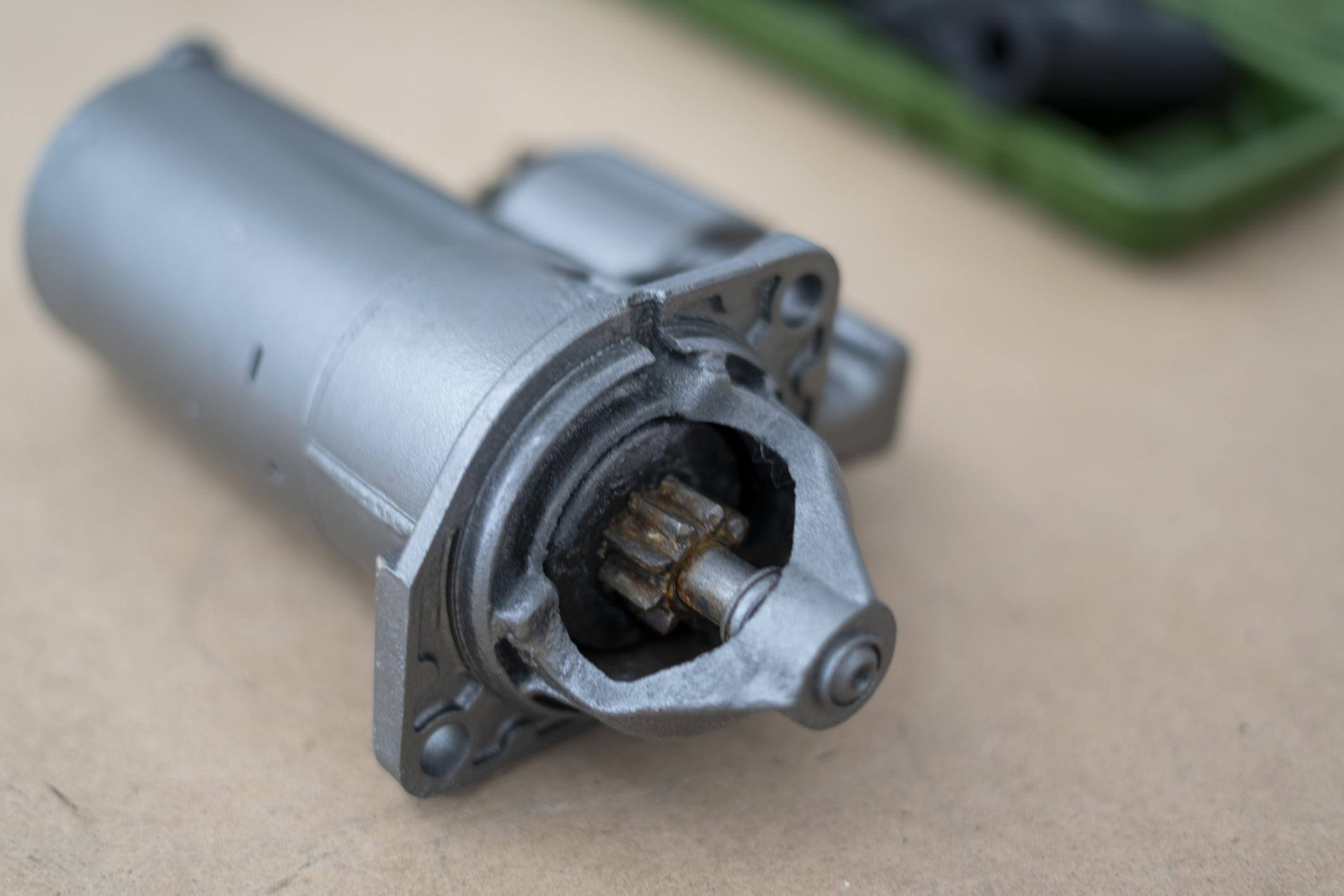
A grinding noise during starting may indicate that the starter drive is not engaging correctly with the flywheel or ring gear. Continuing to crank the engine while the noise occurs can increase the risk of damage. Stop repeated starting attempts and arrange an inspection rather than trying to force the engine to turn over.
5. The Dashboard Lights Work but the Engine Will Not Crank
Dashboard lights can operate even when the battery cannot deliver enough current to the starter. If the lights come on but the engine does not crank, possible causes include a weak battery, faulty connections, starter-circuit problems, a failed starter motor or a vehicle security interlock. Dashboard lighting alone cannot establish that the battery is healthy.
6. Smoke, Burning Smell or Excessive Heat During Starting Attempts
A burning smell, visible smoke or unusually hot cables are warning signs to stop. The cause could involve a short circuit, damaged wiring, a stalled starter or another electrical fault. Do not continue trying to start the vehicle, touch hot components or investigate exposed wiring. Move away from the vehicle if necessary and arrange professional assistance.
Starter Motor or Flat Battery? How to Tell the Difference
Battery and starter problems overlap because the starter motor requires a large amount of electrical current. A weak battery may cause clicking or slow cranking, while a faulty starter can prevent the engine from turning even when the battery appears charged.
| What you notice | Possible causes | What should be checked |
|---|---|---|
| Rapid clicking | Low battery charge or poor electrical connections | Battery condition, terminals and earth connections |
| One click, no crank | Starter, solenoid, battery or high-current circuit fault | Battery load performance and starter circuit |
| Slow cranking | Weak battery, excessive resistance or starter fault | Battery, cables, connections and starter current draw |
| No response at all | Battery connection, fuse, relay, ignition control or security interlock | Starting controls, power supply and fault codes where relevant |
| Grinding during cranking | Starter engagement or flywheel ring gear issue | Starter drive and associated mechanical components |
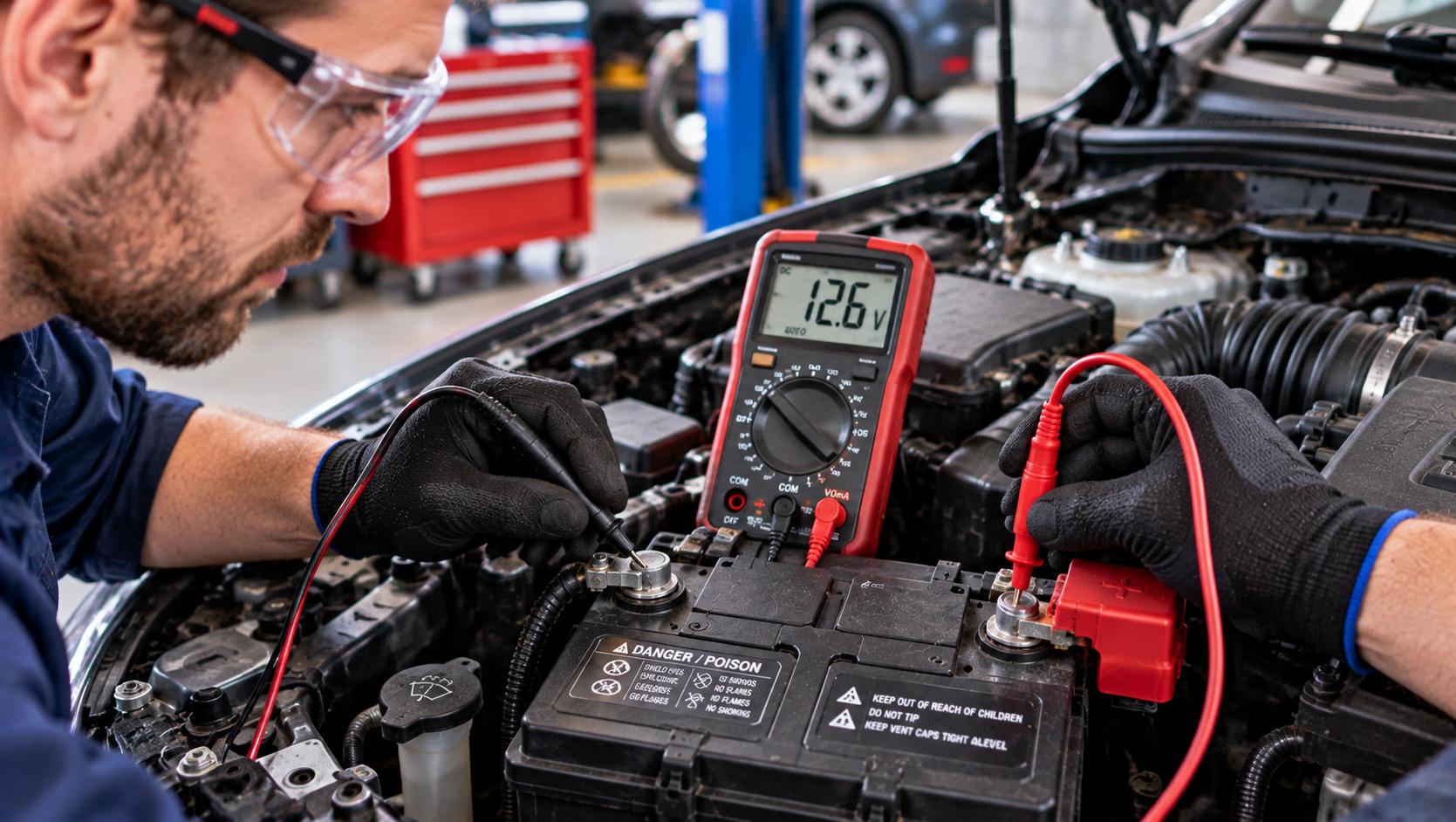
The most reliable approach is to test the battery and connections first, then check whether the starter is receiving the correct control signal and electrical supply. This helps distinguish a failed starter motor from a fault elsewhere in the starting system.
How Much Does Starter Motor Replacement Cost in Melbourne?
There is no single starter motor replacement price that applies to every vehicle. The total depends on the part required, vehicle design, labour time and whether related faults need repair. A straightforward replacement on an accessible engine may involve less labour than a vehicle where the starter is difficult to reach or additional components must be removed.
Factors that can affect your quote include:
- Vehicle make, model and engine: Different engines use different starter designs and mounting arrangements.
- Part type: The cost can vary between a new unit, a suitable remanufactured unit and the specific original-equipment requirements of the vehicle.
- Access and labour: Restricted access or extra disassembly can increase the time required.
- Related electrical faults: Damaged cables, corroded connections, a faulty relay or a battery problem may require separate attention.
- Diagnosis and testing: Time may be needed to confirm the fault and verify operation after the repair.
- Warranty and parts availability: Confirm what parts and labour are covered and whether the correct unit is available.
Be cautious of a quote that recommends starter replacement without explaining how the fault was confirmed. Ask whether the battery, terminals, earth connections and starter control circuit have been checked. An accurate quote should make clear what is included, whether parts and labour are covered and whether additional work could change the total.
What Happens During a Starter Motor Replacement?
A technician will usually begin by confirming the complaint and checking the battery, terminals and starting circuit. If the tests indicate a starter fault, the technician will identify the correct replacement for the vehicle and assess access to the unit.
The old starter is then removed using the appropriate vehicle-specific procedure. The mounting points and electrical connections are inspected, and the replacement is installed. After reassembly, the starting system should be tested to confirm reliable cranking and check for abnormal noises or remaining electrical problems. The exact process varies between vehicles.
If testing instead identifies a battery, relay, wiring or control issue, replacing the starter may not be necessary. Proper diagnosis is intended to identify the cause rather than simply replace the first suspected part.
Can a Starter Motor Be Repaired Instead of Replaced?
In some cases, a starter can be repaired or rebuilt, depending on its design, the nature of the fault, parts availability and the repairer's capabilities. In other cases, replacing the unit is the more practical option. A repair should be assessed against the cost, expected reliability, warranty and availability of a compatible replacement.
Ask the technician to explain whether the fault is internal to the starter or located in the external wiring or control circuit. This distinction matters because repairing or replacing the starter will not solve a separate electrical supply problem.
Should You Keep Trying to Start the Car?
Avoid repeated, prolonged starting attempts when the engine will not crank or you hear grinding. Repeated attempts can overheat components, drain the battery and potentially worsen mechanical or electrical damage. If smoke, a burning smell or hot wiring is present, stop immediately.
If the vehicle will not start, arrange an assessment rather than assuming the starter motor is definitely at fault. A mobile mechanic may be able to inspect the vehicle where it is parked, depending on the location, access and nature of the problem.
Starter Motor Help in Melbourne
If your car is intermittently starting, clicking without cranking or making an unusual noise, explain those symptoms when arranging assistance. Include the vehicle's make, model, year, engine type if known, and whether the dashboard lights come on. Mention any recent battery replacement or electrical work as well.
Learn more about starter motor replacement, browse our mechanic services or book a service to discuss your vehicle's symptoms and the next steps.
Frequently Asked Questions
What are the most common signs of a failing starter motor?
Common warning signs include a single click with no cranking, intermittent starting, slow cranking, grinding during starting and no response from the starting system. These symptoms can also be caused by a weak battery or electrical fault, so testing is needed.
How much does starter motor replacement cost in Melbourne?
The price depends on the vehicle, replacement part, labour time, accessibility and any related electrical repairs. Provide your vehicle details and symptoms when requesting a quote, and confirm what parts, labour and warranty are included.
Can a flat battery sound like a bad starter motor?
Yes. A weak or discharged battery can cause clicking, slow cranking or no cranking. Battery and connection tests should be completed before the starter motor is condemned.
Can I drive with a faulty starter motor?
A starter problem may not stop a vehicle that is already running, but it can leave you unable to restart the engine after switching it off. If there are grinding noises, smoke or signs of an electrical fault, stop repeated starting attempts and arrange an inspection.
Can a starter motor be repaired rather than replaced?
Sometimes. Repairability depends on the starter design, the failed component, parts availability and the cost compared with a replacement unit. A technician can explain which option is appropriate for the vehicle.
Why does my car click but not start?
Clicking can result from low battery power, poor terminal or earth connections, a starter solenoid fault or another starting-circuit problem. The number and type of clicks provide clues but do not prove which component has failed.
Can a mobile mechanic inspect a starter motor?
A mobile inspection may be possible depending on the vehicle, location and fault. Explain whether the engine cranks, whether you hear clicking or grinding, and whether the battery has recently been tested when booking.