
When selling a car, it is tempting to spend money on every small mark, rattle or cosmetic flaw in the hope of getting a higher price. That is not always the best approach. The goal is to present a safe, well-maintained vehicle, answer buyer questions honestly and keep evidence of the work completed—without assuming every dollar spent will return a dollar in the sale price.
Buyers may value a clear service history and evidence that known issues have been addressed. The effect on price depends on the vehicle, age, kilometres, market demand, condition and the expectations of the likely buyer. No maintenance job can guarantee a higher sale price.
For a vehicle approaching its scheduled interval, compare the work required with the manufacturer schedule and review our general service options before authorising extras.
1. Bring overdue routine servicing up to date
If the car is due for a scheduled service, completing it before listing can make the vehicle easier to present and discuss. Use the manufacturer's service schedule for the exact model and engine. The service may include specified checks, fluids and replacement items based on time or kilometres; it should not be described as a full major service unless that is what was performed.
Keep the invoice and service record. Buyers should be able to see the date, odometer reading, work completed and parts or fluids supplied where recorded. If the service is not due and the car is already well documented, an extra service purely for the listing may not be necessary.
| Priority | Examples | Decision guide |
|---|---|---|
| Safety or operation | Brake concern, damaged tyre, failed light, overheating or significant leak | Arrange assessment first; repair or disclose based on findings and applicable requirements. |
| Overdue scheduled maintenance | Service interval reached by time or kilometres | Follow the manufacturer's schedule and keep the invoice. |
| Low-cost consumables | Wiper blades, bulbs or a filter that is genuinely due | Replace when condition or schedule justifies it, not just to add items to an invoice. |
| Cosmetic work | Paint correction, small scuffs or interior detailing | Compare likely benefit with cost and the car's age and condition. |
2. Gather the service history before spending more
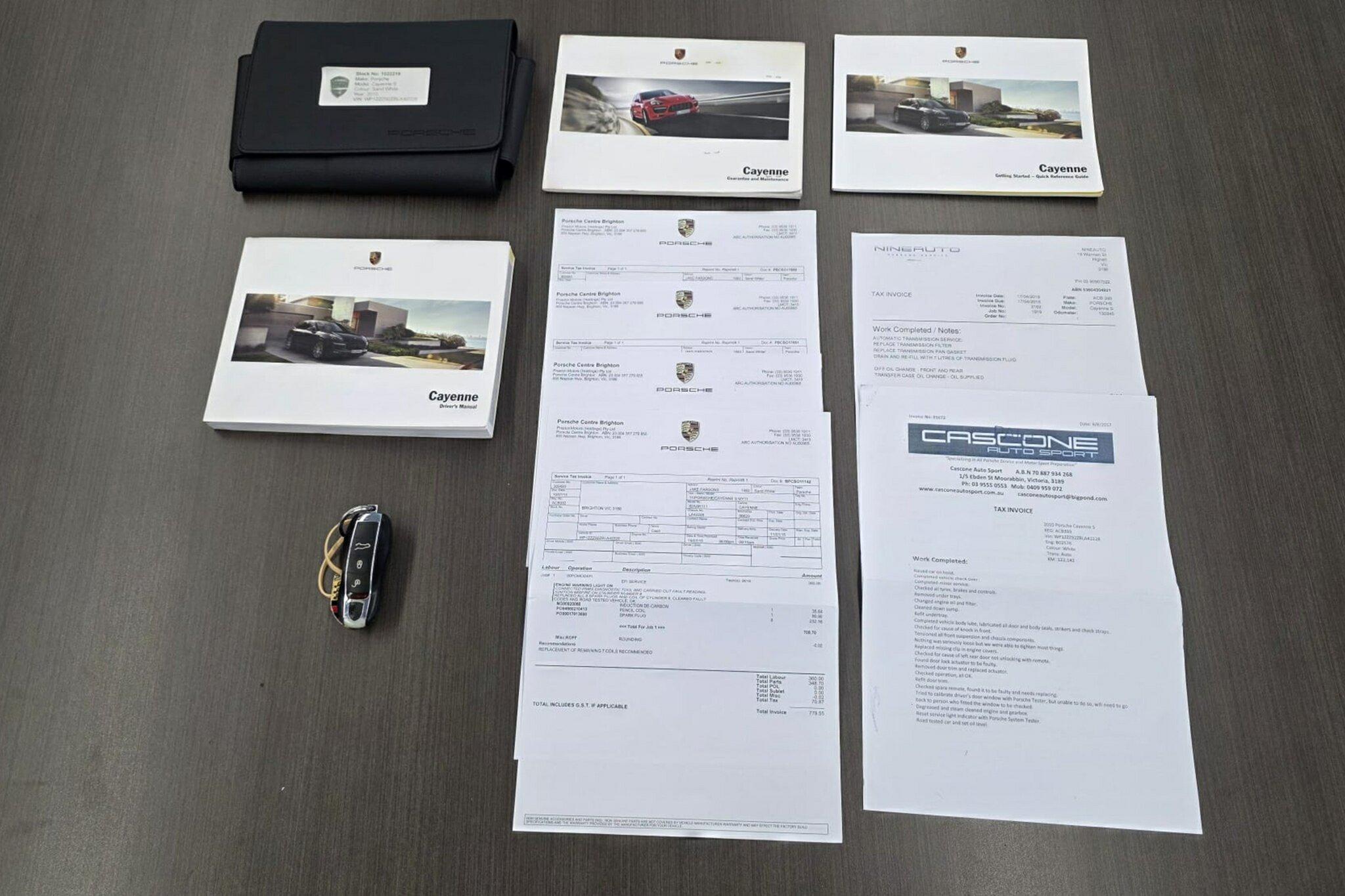
Collect logbook entries, workshop invoices, receipts for parts, roadworthy or inspection documents where relevant, and records of significant repairs. Put them in date order and check that odometer readings make sense. Missing records do not automatically mean a car was neglected, but a clear, consistent history helps you explain what is known.
Never fill gaps by guessing or backdating service entries. If a record is missing, state that it is unavailable. If you have recently bought the vehicle and do not know its full history, say so rather than implying certainty.
3. Fix safety-related and obvious mechanical problems first
Problems involving brakes, tyres, steering, lights, leaks, overheating or warning lights can undermine buyer confidence and may raise safety or roadworthiness concerns. Have significant symptoms assessed and get a written quote before authorising repairs. Depending on the result, it may be sensible to repair the issue, disclose it and price the vehicle accordingly, or obtain advice about the applicable sale requirements.
Do not hide warning lights, clear fault codes just before a viewing, disconnect systems or describe an unresolved issue as fixed. A transparent explanation with supporting paperwork is better than a surprise during an inspection or test drive.
4. Replace inexpensive items only when condition justifies it
Items such as worn wiper blades, failed bulbs, a heavily soiled cabin filter or a weak battery may be worth addressing when they are genuinely due. They are visible or easy for a buyer to notice, and some can affect everyday usability. However, replacing parts that are still in good condition solely to create a longer invoice is unlikely to be a reliable investment.
Ask the mechanic to distinguish necessary repairs from optional maintenance. A sensible invoice that explains the work can be more useful than a long list of low-value replacements.
5. Clean the car—but keep cosmetic spending proportional
A thorough clean of the cabin, boot, glass and exterior helps buyers assess the vehicle. Remove personal items, tidy the boot and make sure all keys, manuals and accessories you intend to include are ready. Repairing a small, conspicuous defect may be worthwhile, but major paintwork or cosmetic restoration can cost more than the value it adds.
Compare the likely cost with the vehicle's age, condition and realistic selling range. If a repair is expensive, consider whether clear disclosure and a fair asking price is more sensible than completing the work before sale.

6. Understand what a logbook service does—and does not prove
A logbook service is maintenance performed in line with the relevant manufacturer's schedule, using the correct specifications and recording the work. The exact scope varies by vehicle and interval. It does not certify that every component is new or that the car will never develop a fault.
Use the term “logbook service” accurately. If a workshop has only performed a limited inspection or a small repair, do not describe that as a complete scheduled service. Ask for a clear list of what was checked and what was changed.
7. Should you get a pre-sale inspection?
A pre-sale inspection can help you understand the car's condition before a buyer raises concerns. Ask what the inspection covers and whether it includes a road test, diagnostic scan, underbody inspection or written report; these are not automatically included in every service. Some issues cannot be confirmed without specialist testing or further dismantling.
An inspection report is a snapshot of the vehicle's condition at that time, not a guarantee. If it identifies repairs, get quotes and decide whether to complete them, disclose them or adjust the asking price. Keep the report available to support a straightforward conversation with potential buyers.
8. How to decide whether a repair is worth doing
Use a simple decision process:
- Is the issue safety-related, affects basic operation or may prevent a lawful sale? Prioritise proper assessment.
- Is the repair relatively inexpensive and clearly improves usability, such as a failed light or worn wiper? It may be worth completing.
- Is the repair expensive compared with the car's likely value? Get a written quote and compare repair, disclosure and sale-as-is options.
- Can you document the work? Keep invoices and explain the scope accurately.
- Would the buyer reasonably expect the issue to be disclosed? Be truthful about known faults and the vehicle's history.
There is no universal return-on-investment calculation for pre-sale repairs. A new tyre may be necessary for safety, but it does not automatically increase the sale price by the same amount. A major repair may make the car easier to sell yet still cost more than it adds to the final offer.
| Question | If yes | If no / uncertain |
|---|---|---|
| Does it affect safety or reliable operation? | Prioritise a professional assessment. | Move to the next decision point. |
| Is the work due or clearly supported by evidence? | Request a quote and retain the records. | Ask for the condition or schedule basis before approving it. |
| Is the cost proportionate to the likely sale value? | Compare repair options and expected outcome. | Consider transparent disclosure and realistic pricing. |
| Can the work be documented? | Keep invoices and describe the scope accurately. | Ask for written records before the work is completed. |
9. What documents and details should you prepare?
- Service book or digital service history, where available.
- Receipts for maintenance and significant repairs.
- Current odometer reading and an accurate description of known issues.
- Spare keys, manuals and included accessories.
- Any relevant inspection or roadworthiness documentation, subject to local requirements.
- A record of what you have recently repaired and what remains outstanding.
Check the current requirements that apply to your sale, including any state-specific roadworthy certificate rules, transfer obligations or disclosures. Requirements can depend on the seller, vehicle and transaction type, so do not rely on a generic checklist as legal advice.
| Record | What to check | Why it helps |
|---|---|---|
| Service history | Dates, odometer readings and work recorded | Helps explain maintenance without guessing about missing entries. |
| Repair invoices | Parts, fluids, labour and repair scope where shown | Supports clear answers about recent work. |
| Inspection documents | Date, scope, findings and any limitations | Shows what was assessed at that time, not a guarantee of future condition. |
| Known issues | Symptoms, quotes and work still outstanding | Helps you describe the vehicle honestly and make informed sale decisions. |
| Keys and accessories | Spare keys, manuals and items included in the sale | Makes handover preparation more organised. |
10. Book a service with a clear scope
If your vehicle needs scheduled maintenance before sale, review our logbook service information, explore the full service list, or send a booking request. Share the make, model, year, kilometres and your planned sale date so the service scope can be discussed.
The strongest approach is usually straightforward: address genuine problems, keep the paperwork, clean the vehicle, and describe its condition honestly. A buyer may still negotiate, but you will be better prepared to explain what has been done and why.