
If you are selling a car, re-registering a vehicle or dealing with certain defect notices in Victoria, you may need a Certificate of Roadworthiness (often called a roadworthy certificate or RWC). One common question is whether a mobile mechanic can come to your home and issue it there.
The important distinction is between preparing a vehicle for inspection and legally issuing the certificate. Victorian guidance says a Certificate of Roadworthiness can only be issued by a Licensed Vehicle Tester (LVT) operating from an approved facility. A mobile mechanic may be able to help identify or repair some issues beforehand, but you should not assume a mobile visit can replace the official inspection.
For official requirements, check Transport Victoria’s roadworthiness requirements and find an authorised tester through the official tester-location service. For suitable maintenance or repair enquiries, you can also review our automotive services.
Can a mobile mechanic do an RWC in Victoria?
Not simply by attending your driveway. A Certificate of Roadworthiness can only be issued by a Licensed Vehicle Tester operating from an approved facility. The licensing scheme includes requirements for the tester and the premises, so an ordinary mobile service visit should not be represented as an official RWC inspection.
A mobile mechanic may still be useful before the official inspection. Depending on the vehicle and the job, they may be able to inspect or repair selected issues such as a faulty light, worn wiper blades, certain maintenance items or other accessible faults. The scope must be confirmed in advance, and any repair is not a guarantee that the vehicle will pass the roadworthy inspection.
When is a roadworthy certificate required?
In Victoria, a certificate is generally required when a vehicle is sold or re-registered, and in certain other circumstances such as clearing some vehicle defect notices. There are exceptions and special situations, so check the official guidance for your vehicle and reason for inspection rather than relying on a general rule.
A roadworthy certificate confirms that the vehicle meets the applicable roadworthiness requirements at the time it is inspected. It is not a promise that the vehicle is mechanically reliable, free of all faults or unlikely to need future repairs.
What does an RWC inspection check?
The inspection focuses on specified safety and roadworthiness items. These can include:
- Wheels and tyres.
- Steering and suspension components.
- Brakes and related components.
- Seats and seatbelts.
- Lights and reflectors.
- Windscreen, windows, wipers and washers.
- Vehicle structure and other applicable safety-related items.
The applicable standards depend on the vehicle and current Victorian requirements. A roadworthy inspection is not the same as a full mechanical condition report, and it may not identify every issue that matters to a prospective buyer.
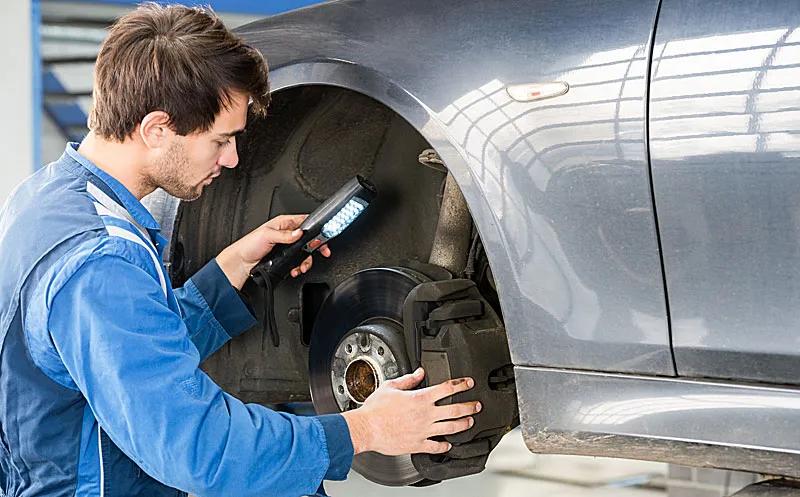
RWC preparation checklist: what to check before the appointment
You can reduce avoidable surprises by checking obvious items before taking the vehicle to an authorised tester. This checklist is for preparation only; it does not replace the formal inspection.
- Lights: Check that headlamps, indicators, brake lights and other required lights operate.
- Wipers and washers: Check blade condition and washer operation.
- Tyres: Look for visible damage, unusual wear and obviously unsafe tyre condition. Have concerns assessed professionally.
- Seatbelts: Check for visible damage and that buckles latch correctly.
- Windscreen and windows: Look for damage or visibility issues.
- Brakes, steering and suspension: Take noises, pulling, vibration or changes in braking seriously and have them checked.
- Leaks and warning lights: Mention any warning messages, fluid leaks or unusual behaviour when booking repairs.
- Vehicle details: Bring registration details and any relevant defect notice or paperwork requested by the tester.
If the tester identifies a brake concern, ask for a clear repair assessment; relevant work may include brake rotor replacement where appropriate. The correct repair depends on the inspection findings and vehicle specification.
What if the vehicle needs repairs first?
Ask the Licensed Vehicle Tester to explain the items that need attention. Some issues may be repairable by a mobile mechanic if access, parts and safety conditions permit; others may require a workshop, specialist equipment or further diagnosis. Confirm the exact scope and price before authorising work.
Keep invoices and repair records. Once the necessary work is completed, follow the tester’s directions for the next inspection. Do not assume that fixing one listed issue automatically means the vehicle will pass every applicable check.
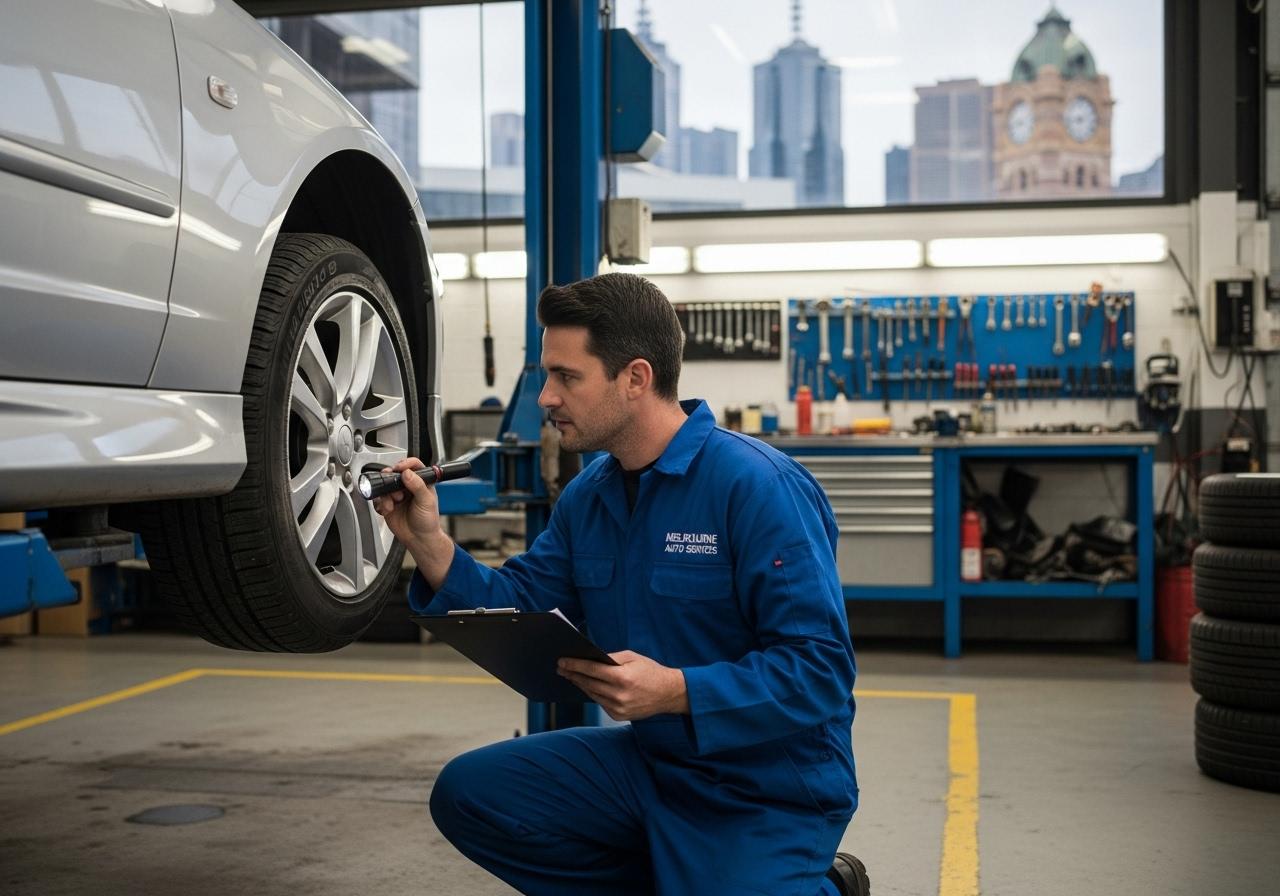
Roadworthy certificate cost: what should you budget for?
Separate the inspection fee from any repairs. The inspection price can vary by provider and vehicle, while repair costs depend on what the tester identifies, parts availability, labour and whether additional diagnosis is required. A quote for the certificate alone may not include repairs or a subsequent inspection.
Ask for the inspection fee in advance and request itemised repair quotes. Be cautious of claims that a certificate is guaranteed before the vehicle has been inspected; the result depends on the vehicle meeting the applicable standards.
How to find an authorised roadworthy tester
Use the official Victorian roadworthy tester locator to find an accredited provider. Confirm the tester is authorised for the relevant vehicle class and ask what documents or appointment arrangements are needed.
If you need help preparing the vehicle with suitable maintenance or repairs, explore available automotive services or send an enquiry through the online booking page. Explain that you are preparing for an RWC so the work can be scoped honestly.
The bottom line
A mobile mechanic may help with suitable pre-inspection checks and repairs, but Victoria’s official roadworthy certificate must come from a Licensed Vehicle Tester operating from an approved facility. Use official Victorian guidance to confirm your obligations, arrange the formal inspection with an authorised tester, and treat any repair work as preparation—not a guaranteed pass.
Frequently asked questions
Can a mobile mechanic issue a roadworthy certificate in Victoria?
A Victorian Certificate of Roadworthiness can only be issued by a Licensed Vehicle Tester operating from an approved facility. A mobile mechanic can potentially help assess or repair issues before inspection, but do not assume a driveway visit can provide the certificate. Confirm current requirements with Transport Victoria or VicRoads.
When do I need a roadworthy certificate in Victoria?
A certificate is generally required when a vehicle is sold or re-registered and in certain other circumstances, such as clearing some defect notices. Requirements and exemptions depend on the situation, so check the official VicRoads guidance for your case.
Is a roadworthy certificate the same as a full pre-purchase inspection?
No. A roadworthy inspection focuses on specified safety and roadworthiness requirements. It is not a comprehensive assessment of mechanical reliability, future repair needs or overall vehicle condition. Arrange a separate independent pre-purchase inspection if you need that broader assessment.
What does a Victorian roadworthy inspection check?
The inspection covers key safety-related areas such as tyres and wheels, steering and suspension, brakes, seats and seatbelts, lights, windscreen, windows, wipers and vehicle structure, among other applicable requirements. The exact assessment follows current Victorian roadworthiness guidelines.
Can I repair defects before my roadworthy inspection?
Yes, preparing and repairing identified issues before inspection may help, but the vehicle still needs to be examined by a Licensed Vehicle Tester. Do not assume repairs guarantee a pass; the tester assesses the vehicle against the applicable requirements.
How much does a roadworthy certificate cost?
There is no single universal price for every vehicle and provider. Inspection fees and any repair costs are separate considerations and can vary. Ask the tester for the inspection fee and request itemised quotes for repairs if the vehicle does not pass.
How long is a Victorian roadworthy certificate valid?
Validity depends on the circumstances and current rules. For a certificate associated with a sale, official Victorian guidance states it is generally valid for 30 days from issue. Check VicRoads or Transport Victoria for the rule applicable to your situation.
What if my car fails the roadworthy inspection?
Ask the tester for the items that need attention and clarify which repairs are required. Arrange repairs with a suitable provider, keep invoices and records, and follow the tester’s instructions for reinspection. If a defect notice or registration restriction applies, follow the specific directions on that notice.