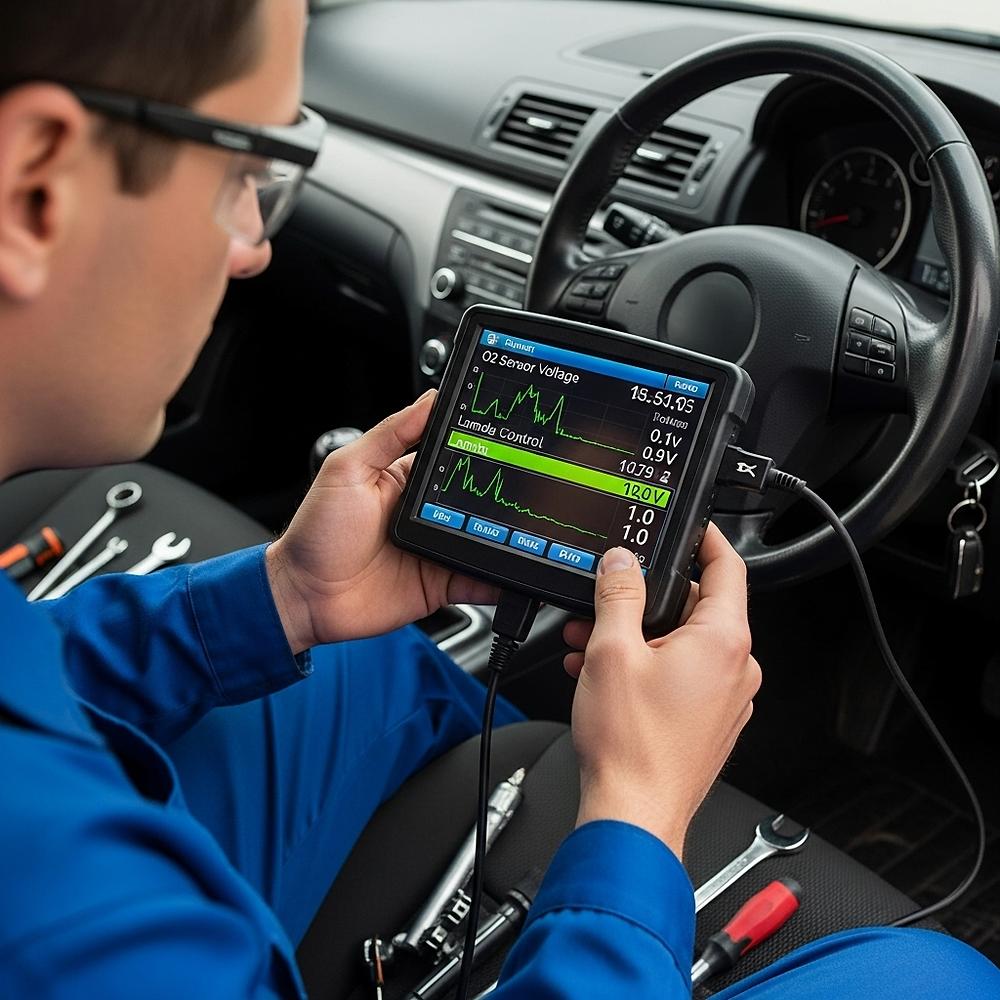
An oxygen sensor—often called an O2 sensor or lambda sensor—measures oxygen in the exhaust so the engine computer can monitor combustion and manage emissions. If a sensor or its circuit develops a fault, the check-engine light may appear, fuel consumption may change or the engine may run poorly. These symptoms can also be caused by other problems.
Replacing a sensor based only on a dashboard light or one diagnostic code can waste money if the real issue is wiring, an exhaust leak, an air leak, a fuel-system problem or a catalytic-converter concern. Many vehicles have more than one oxygen sensor, and each may have a different role.
This guide explains common O2 sensor symptoms, possible fuel-economy effects, replacement-cost factors and what to ask before booking. For vehicle-specific help, explore the O2 sensor replacement service or use the online booking page.
What does an oxygen sensor do?
Oxygen sensors monitor oxygen levels in exhaust gases. On many petrol engines, an upstream sensor helps the engine control module regulate the air-fuel mixture. A downstream sensor commonly helps monitor catalytic-converter performance, although exact configurations vary by vehicle and emissions system.
Modern vehicles may have several sensors and different sensor technologies. The correct part depends on the vehicle, engine, sensor position and connector or calibration requirements. A sensor that physically fits is not automatically the right replacement.
Common symptoms of a failing O2 sensor
- Check-engine light: The computer may store a sensor, heater-circuit, response or mixture-related code. A code is a clue, not proof that the sensor itself has failed.
- Higher fuel consumption: A faulty signal can affect fuelling on some vehicles, but driving conditions, tyre pressure and other faults also influence economy.
- Rough idle or hesitation: These can accompany mixture-control problems but also indicate ignition, intake, fuel-delivery or mechanical faults.
- Increased emissions: Incorrect mixture control or a related fault may raise emissions.
- Persistent codes: The cause should be confirmed and repairs completed before assuming the issue is fixed.
- Unusual exhaust smell: A rich-running engine can produce a stronger fuel smell, but exhaust leaks and other issues must also be considered.
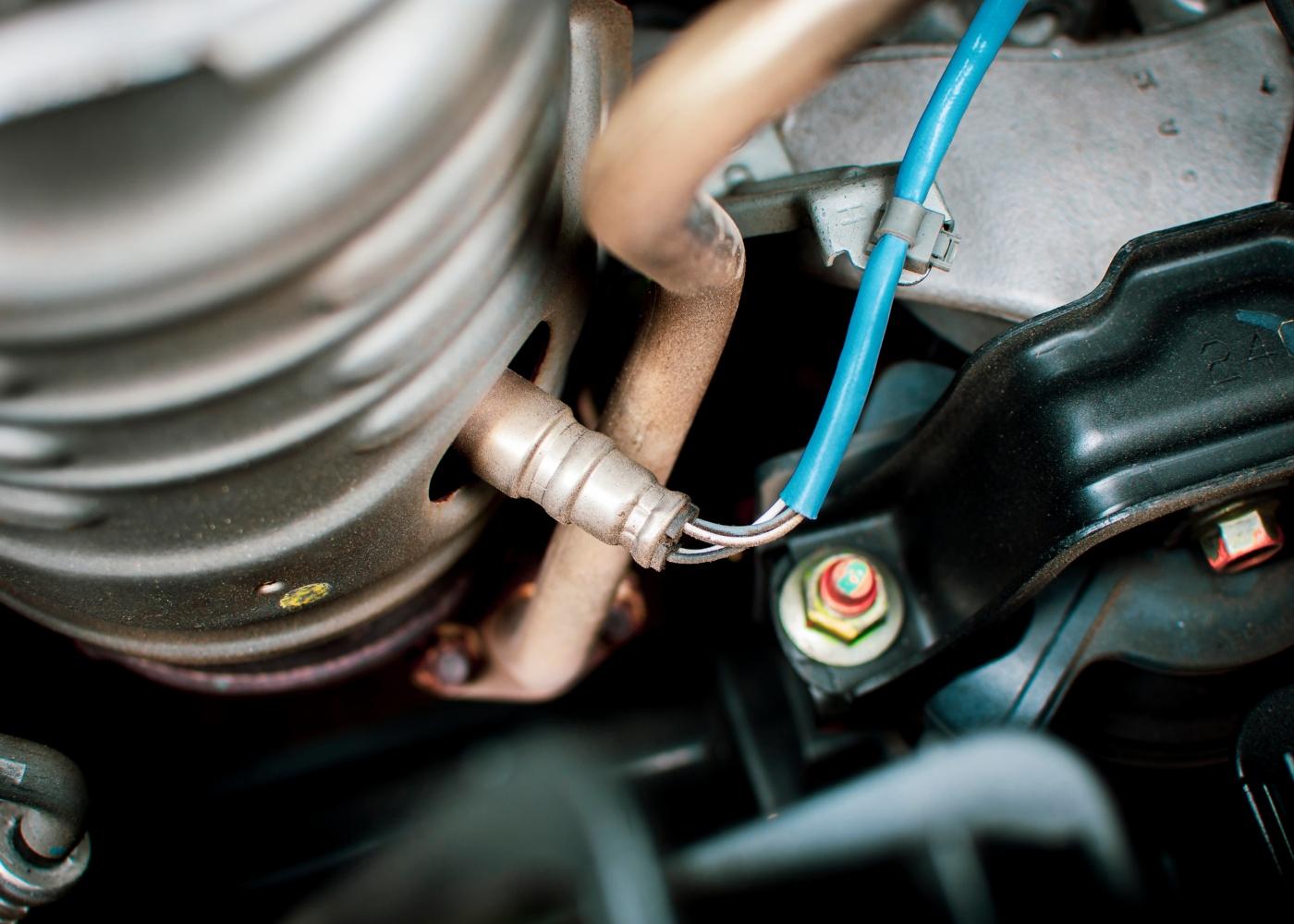
Can a bad oxygen sensor increase fuel use?
It can, depending on which sensor has failed and how the vehicle responds. If an upstream sensor provides incorrect information, the engine computer may adjust fuelling incorrectly or use a fallback strategy. This can contribute to higher fuel use, poor drivability or increased emissions, but the effect is not identical on every vehicle.
A downstream sensor is often used primarily to monitor catalyst performance rather than directly control normal air-fuel mixture. Its effect on fuel economy can therefore differ from an upstream sensor fault. Confirming sensor position is part of accurate diagnosis.
Do not assume a sudden drop in fuel economy means an O2 sensor has failed. Dragging brakes, underinflated tyres, a misfire, an air leak, a thermostat issue or changed driving patterns can also affect consumption.
Upstream vs downstream oxygen sensors
| Sensor position | Typical role | What diagnosis considers |
|---|---|---|
| Upstream (before the catalytic converter) | Often helps the engine computer regulate the air-fuel mixture. | Signal response, mixture data, heater circuit, wiring, and possible air or exhaust leaks. |
| Downstream (after the catalytic converter) | Often monitors catalytic-converter efficiency. | Signal pattern, catalyst data, exhaust leaks, and other emissions faults. |
These are general descriptions, not a substitute for vehicle-specific service information. Sensor locations and control strategies differ across models.
What does an O2 sensor fault code mean?
A scan tool may show a code associated with oxygen-sensor response, heater performance, circuit voltage or fuel mixture. The code identifies a condition detected by the computer; it does not always identify the failed component conclusively.
A technician may check live sensor data, heater power and ground, wiring and connectors, exhaust leaks, fuel trims and related engine faults. Some vehicles need further testing or a road test. The goal is to determine whether the sensor is faulty or something else is causing an abnormal reading.
If testing points to an exhaust leak or another emissions-system issue rather than the sensor itself, the next step may involve an appropriate exhaust repair service. A broader car servicing inspection can also help assess related engine-running concerns.
What affects O2 sensor replacement cost?
Replacement cost varies by vehicle, sensor type and diagnostic findings. Important factors include:
- Sensor position and quantity: Vehicles may have multiple sensors, and the fault must be traced to the correct one.
- Part specification: Sensor technology, connector, cable length and vehicle compatibility affect part choice and price.
- Access: A sensor in a restricted or heat-exposed location may take longer to remove.
- Corrosion or seized threads: Exhaust heat and corrosion can complicate removal.
- Diagnostic time: Checking wiring, leaks and live data may be needed before replacement.
- Related faults: Misfires, rich running, exhaust leaks or catalyst problems may require separate repairs.
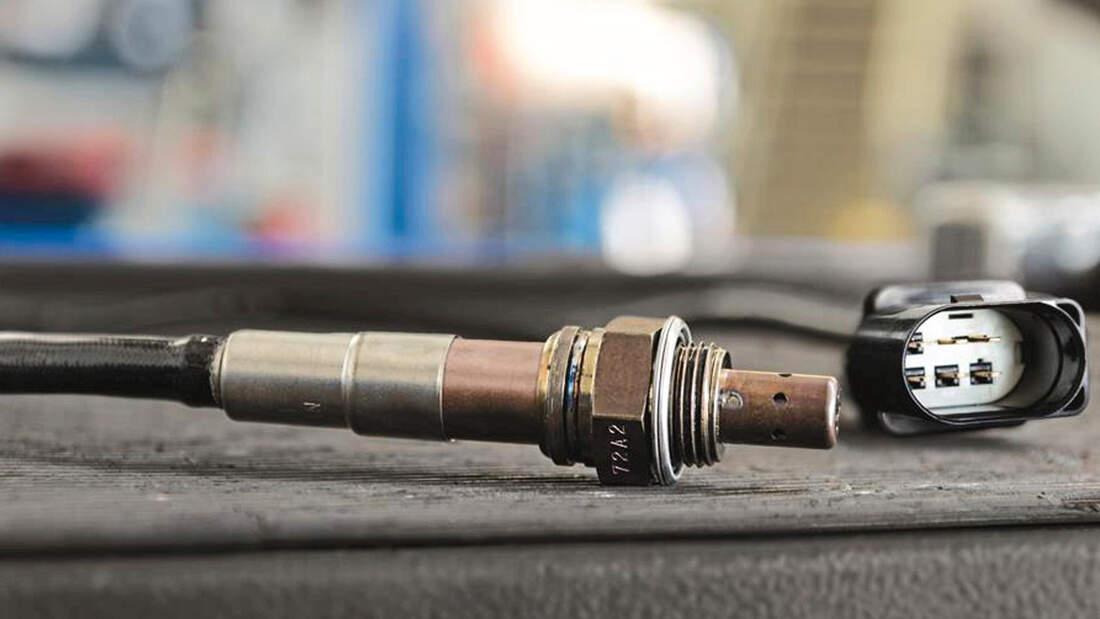
Ask for an itemised quote separating diagnostic work, the sensor part, labour and additional repairs. Confirm whether the quote is for the upstream or downstream sensor and what test results support the recommendation.
Can you keep driving with an oxygen sensor fault?
A steady check-engine light without other symptoms may allow you to arrange a prompt inspection, but do not leave the fault unresolved. If the check-engine light flashes, the engine misfires badly, power drops significantly, the vehicle overheats or you smell strong fumes, stop safely and seek professional advice. A severe misfire can damage the catalytic converter.
The safest next step depends on the warning-light behaviour and how the car is running. If you are unsure, avoid unnecessary driving and ask a qualified mechanic or roadside assistance provider for guidance.
Can you replace an O2 sensor yourself?
Some sensors are accessible, but removal can be difficult because they are exposed to exhaust heat and corrosion. Using the wrong tool, damaging wiring or cross-threading the replacement can create extra problems. Some vehicles also require diagnostic checks after repair.
If you choose a DIY repair, use the correct service information and part for your vehicle, allow the exhaust to cool completely and follow safe lifting procedures. Never work beneath a vehicle supported only by a jack. If access is poor or diagnosis is uncertain, professional testing may be more economical.
How to help prevent repeat sensor problems
- Investigate misfires, oil consumption or coolant entering the combustion system rather than repeatedly replacing sensors.
- Repair exhaust leaks and damaged wiring or connectors when found.
- Use the correct fuel and maintain the engine according to the manufacturer's schedule.
- Keep records of diagnostic codes, test results and replaced parts.
- Ask the technician to explain what confirmed the fault and whether an underlying issue remains.
Explore the O2 sensor replacement service, browse other automotive services, or use the booking page.
Frequently asked questions
What are the most common symptoms of a bad O2 sensor?
Possible symptoms include a check-engine light, increased fuel use, rough running, hesitation or higher emissions. These symptoms have other possible causes, so diagnostic testing is needed before replacing a sensor.
How much does O2 sensor replacement cost?
The total depends on the vehicle, sensor position and type, access, parts and diagnostic time. Ask for a vehicle-specific quote that separates diagnosis, parts and labour.
Can I drive with the check-engine light on?
A steady light without other symptoms may allow prompt diagnosis, but it should not be ignored. If the light flashes, the engine runs roughly, power drops sharply or overheating occurs, stop safely and seek assistance.
Will replacing an oxygen sensor improve fuel economy?
If a confirmed faulty sensor was causing incorrect fuel control, replacement may help restore normal operation. Fuel economy also depends on engine condition, tyres, driving style and other systems, so improvement is not guaranteed.
Are upstream and downstream oxygen sensors interchangeable?
Not necessarily. Their function, connector, wiring and specification may differ. Use the correct part for the exact vehicle and sensor position.
Does an O2 sensor code always mean the sensor is bad?
No. Wiring faults, heater-circuit problems, exhaust leaks, mixture issues and catalytic-converter faults can produce related codes or abnormal readings. Diagnosis should verify the cause.
Can a faulty O2 sensor damage the catalytic converter?
A sensor fault can contribute to incorrect fuelling on some vehicles, and an unresolved rich-running or misfire condition can damage the converter. Diagnose and repair the underlying fault promptly.
How long does O2 sensor replacement take?
Time varies with sensor location, access, corrosion, vehicle design and whether diagnosis or related repairs are needed. A mechanic can estimate the time after confirming the fault and vehicle details.
Final takeaway
An oxygen sensor helps the engine manage emissions and, on many vehicles, fuel control. A warning light or poor fuel economy can point towards a sensor problem, but diagnosis must distinguish sensor failure from wiring, exhaust, fuelling and catalytic-converter issues. Confirm the sensor position, request an itemised quote and fix any underlying cause to reduce repeat faults.