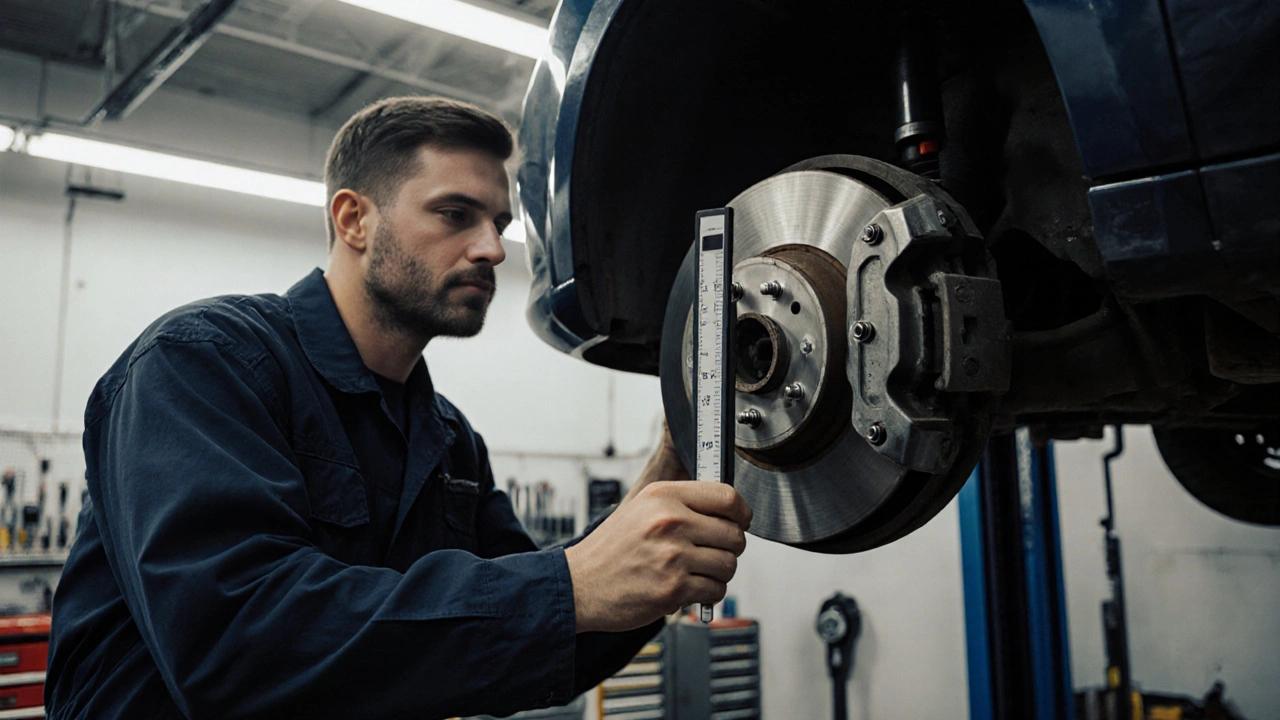
If your brakes vibrate, squeal or develop uneven wear, you may be told that the brake rotors need machining or replacement. These options are not interchangeable in every situation. Machining removes a controlled amount of material to restore a suitable braking surface, while replacement installs a new rotor that meets the vehicle's requirements.
The right decision depends on the rotor's current thickness, the manufacturer's minimum-thickness specification, the type and severity of damage, and whether machining is permitted for that particular rotor. This guide explains the difference, the factors that affect costs in Australia, and why brake safety should take priority over choosing the cheapest option.
What Is Brake Rotor Machining?
Brake rotors, also called brake discs, rotate with the wheels. When you apply the brakes, the pads clamp against the rotor to create friction and slow the vehicle. The rotor must provide a suitable friction surface while remaining within the design limits specified for the vehicle.
Machining removes a controlled amount of material to correct certain surface irregularities when the rotor is suitable for the procedure. However, machining is not a universal fix for every vibration, noise or braking problem. Because it reduces rotor thickness, a technician must confirm that the finished rotor will remain within the applicable specification. Some rotor designs, coatings and manufacturer requirements may make machining unsuitable.
When Can Brake Rotors Be Machined?
Machining may be considered when a surface condition can be corrected safely and sufficient material remains. The rotor must be structurally sound, eligible for machining under the manufacturer's requirements, and capable of meeting the specified thickness and finish after the work.
- Minor surface irregularities: Some surface conditions can be corrected if the rotor remains within specification.
- Vibration linked to the rotor: The source of vibration must be identified before deciding on machining.
- Serviceable condition: The rotor must not have damage or wear that makes reuse unsafe.
- Manufacturer approval: The rotor design and vehicle-specific instructions must permit the procedure.
Do not assume the rotor is responsible simply because the vehicle vibrates. Wheel, tyre, hub, suspension and other brake-system problems can produce similar symptoms. Diagnosis should establish the cause before work is approved.
When Should Brake Rotors Be Replaced?
Replacement is generally appropriate when a rotor is below its permitted thickness, cannot remain within specification after machining, has cracks or serious damage, or is unsuitable for machining under the manufacturer's instructions. Severe corrosion, deep scoring and heat-related damage may also make replacement necessary, depending on the inspection findings.
A rotor that has become too thin should not be machined further to extend its life. Cracked or structurally compromised rotors are not suitable for cosmetic repair. A technician should check the correct parts and service procedure for the specific vehicle rather than relying on a generic rule.
Machining vs Replacement: Quick Comparison
| Consideration | Machining | Replacement |
|---|---|---|
| Rotor thickness | Must remain within specification after machining. | New rotor must meet the vehicle specification. |
| Surface condition | May correct suitable surface irregularities. | Appropriate when damage cannot be corrected safely. |
| Cracks or structural damage | Cannot make a structurally compromised rotor safe. | Usually required for a cracked or unserviceable rotor. |
| Manufacturer requirements | Must be permitted for that rotor design. | Parts and installation must follow vehicle requirements. |
| Overall cost | May cost less in suitable cases, but inspection and labour still apply. | Includes parts and installation; related work may also be needed. |
| Related brake work | Pad condition and compatibility still need assessment. | Pad condition and bedding procedure still need assessment. |
The lowest initial price is not necessarily the best value. Machining an unsuitable rotor can waste money and compromise safety. Equally, replacement should be based on inspection findings rather than recommended without a clear reason when the existing rotor remains serviceable.
How Much Does It Cost to Machine Brake Rotors in Australia?
There is no single machining price that applies to every Australian vehicle or workshop. The total depends on the vehicle, rotor design, whether machining can be performed in place or requires removal, the labour involved, and whether related brake work is needed. Some rotors are not suitable for machining at all.
Common cost factors include:
- Vehicle and rotor design: Rotor size, construction and access vary between vehicles.
- Machining method: Equipment and removal requirements affect labour time.
- Rotor condition: Severe wear or damage may make machining inappropriate.
- Brake pads: Worn, contaminated or incompatible pads may need attention.
- Additional diagnosis: Vibration may require checks of hubs, wheel fitment, tyres and suspension.
- Replacement parts: If machining is unsuitable, the correct rotor and installation determine the final cost.
When requesting a quote, ask whether inspection, machining, removal and refitting are included, and whether additional parts or labour may be required. If replacement is recommended, ask what measurement or damage makes the current rotor unserviceable. Confirm current pricing with the provider rather than relying on a general online estimate.
Why Do Brake Rotors Develop Vibration?
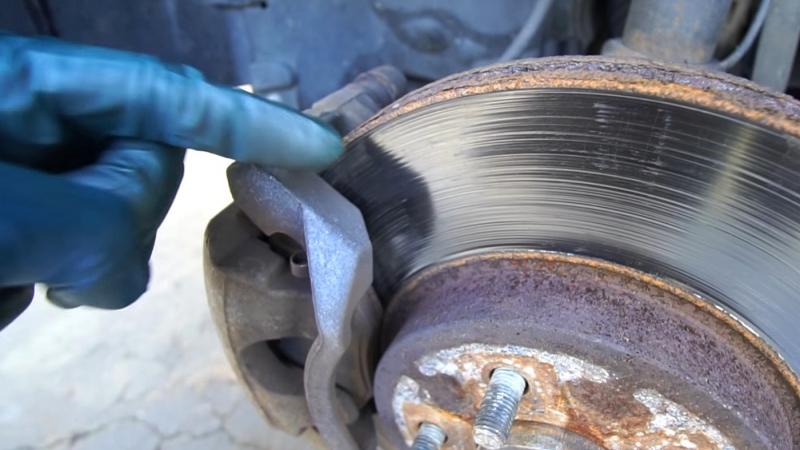
Drivers often describe brake vibration as warped rotors, but there can be several causes. Rotor thickness variation, excessive runout, uneven friction deposits, incorrect wheel installation, hub issues, worn suspension components and tyre problems may contribute. Inspection and measurements are needed to identify the actual cause.
Heavy braking can generate significant heat. A sticking caliper can create continuous friction and excessive temperature, potentially damaging pads and rotors. If the vehicle pulls, smells of hot brakes or has one unusually hot wheel, have the cause investigated before approving rotor work.
Do Brake Pads Need Replacing With New Rotors?
It depends on pad condition, compatibility and the manufacturer's service requirements. Worn, damaged, contaminated or unevenly worn pads may need replacement when rotors are replaced. Ask the technician to assess pads, calipers, guide hardware and rotor surfaces as a complete system. Follow the specified bedding-in procedure after new pads or rotors are installed.
Can You Drive With Damaged or Worn Brake Rotors?
Brake vibration, grinding, visible cracking, severe scoring or reduced braking performance should not be ignored. Serious rotor damage can compromise braking. If pedal response changes, the car pulls sharply, smoke appears or there is a strong burning smell, stop safely and arrange professional assistance.
Do not assess rotor thickness by eye alone. Measurements must be compared with the correct specification, and machining should never be used to return an unsuitable rotor to service.
What Happens During a Brake Rotor Inspection?
A technician reviews the symptoms and inspects the rotors, pads and associated components. Depending on the complaint, they may measure rotor thickness and variation, check runout, and inspect for corrosion, cracks, uneven deposits or heat damage. Wheel and hub fitment may also need investigation if vibration is present.
After machining or replacement, the braking system should be reassembled to the correct specification and checked for proper operation. If vibration was the original complaint, the technician should confirm that the identified cause has been addressed.
Brake Rotor Service in Melbourne
If you notice brake vibration, grinding or uneven braking, describe when the symptom occurs—for example, during light braking, heavier braking or at particular speeds. Mention recent brake work and any pulling, heat or unusual smell. These details can help direct the inspection.
Learn about our brake rotor replacement service, explore our mechanic services or book a service to discuss the appropriate next step.
Frequently Asked Questions
How much does it cost to machine brake rotors?
The cost depends on the vehicle, rotor design, machining method, labour and whether removal or related brake work is required. Some rotors are not suitable for machining. Request a quote based on an inspection and the manufacturer's requirements.
Is it better to machine or replace brake rotors?
Machining may be suitable if permitted and if the rotor can remain within specification afterwards. Replacement is necessary when the rotor is too thin, cracked, badly damaged or unsuitable for machining.
Can brake rotors be machined below minimum thickness?
No. The rotor must remain within the applicable specification. If machining would leave it below the permitted limit, it should not be machined for continued service.
Do new brake rotors require new brake pads?
Pad condition and compatibility must be assessed. Worn, contaminated or damaged pads may need replacement, and the manufacturer's recommendations should be followed.
Why does my steering wheel vibrate when I brake?
Possible causes include rotor thickness variation or runout, wheel or hub issues, tyre problems and worn suspension components. An inspection is needed to identify the cause rather than assuming the rotors must be machined.
Can cracked brake rotors be machined?
Cracked rotors are structurally compromised and should not be treated as a routine machining job. Arrange a professional inspection and follow the vehicle's service requirements for replacement.
How do I know if my brake rotors are too thin?
Rotor thickness must be measured and compared with the applicable specification, which may be marked on the rotor or provided by the vehicle manufacturer. Visual inspection alone is not enough to establish that the rotor remains within limits.