
Losing your car service logbook can be frustrating, especially when you need to prove that your vehicle has been serviced regularly. The good news is that losing the physical book does not necessarily mean your service history is gone.
Your previous servicing may be supported by invoices, receipts, workshop records, digital service histories, manufacturer records or other maintenance documents. The best approach is to rebuild as much of the history as possible and then keep the replacement record organised going forward.
What Should You Do If You Lost Your Car Service Logbook?
Start by working backwards through your previous servicing. Check your email, paperwork, bank records and contact details for mechanics or dealers that have serviced the vehicle.
Ask previous repairers whether they still have records for your vehicle. Give them the registration number, VIN where appropriate, vehicle details and approximate service dates to help locate the records.
If your vehicle uses a manufacturer's digital service-history system, ask the relevant dealer or manufacturer how the service history can be recovered or accessed.
The aim is not simply to replace the physical booklet. The aim is to create the strongest possible record showing what maintenance was completed and when.
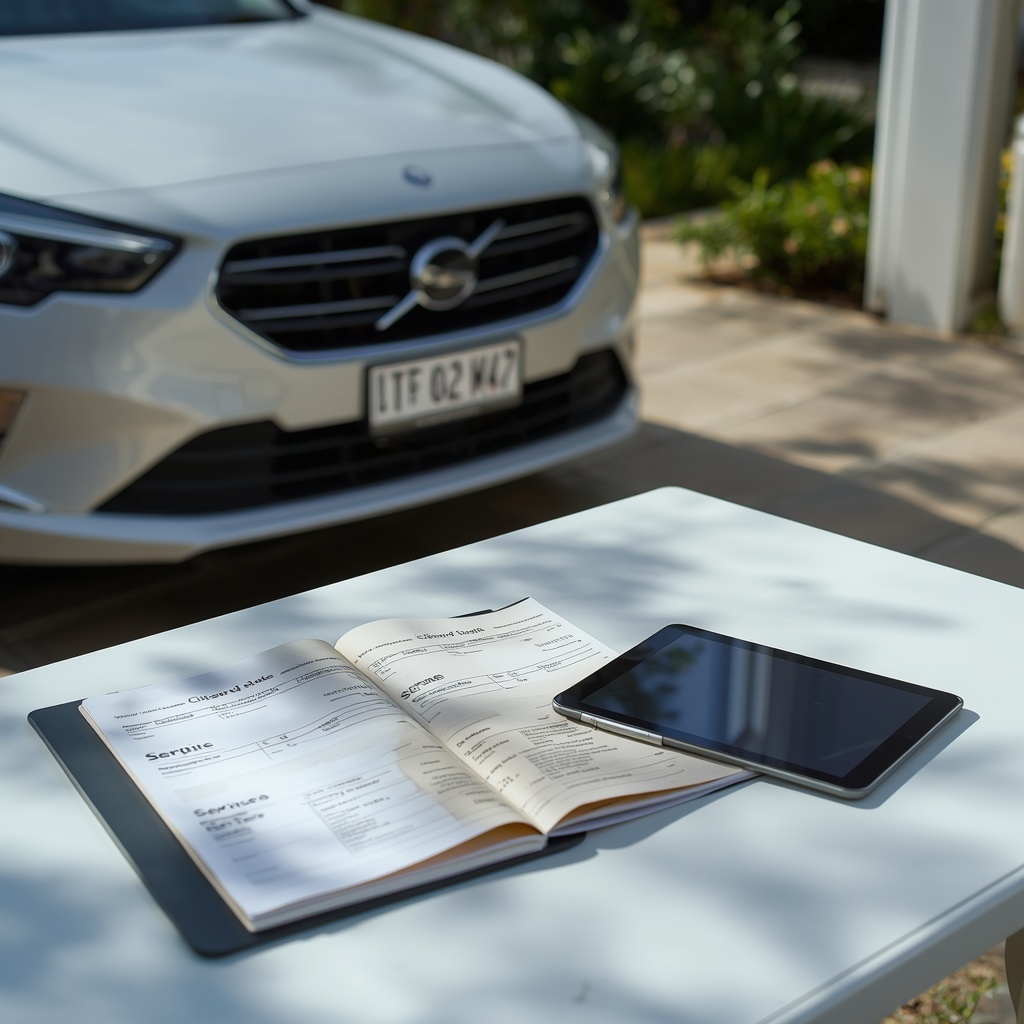
Can You Replace a Lost Car Service Logbook?
In many cases, you can obtain a replacement physical service book or continue your vehicle's history using another accepted service-record method. The exact process depends on the vehicle manufacturer and the type of service record used by the vehicle.
Contact the manufacturer or an authorised dealer and ask whether a replacement service book is available for your vehicle. If a digital service history is used, ask how previous entries can be retrieved or confirmed.
Do not simply recreate old service stamps from memory. Where possible, support historical entries with invoices, workshop records or manufacturer records.
How to Recover Your Previous Car Service History
1. Contact Previous Mechanics and Workshops
If you know where the vehicle was serviced previously, contact those businesses first. Many workshops keep customer and vehicle records for a period of time.
Provide the vehicle registration, VIN, make, model and approximate service dates. The more information you can provide, the easier it may be for the business to identify the correct vehicle record.
2. Search Your Email and Digital Files
Search your email for terms such as “car service”, “service invoice”, “mechanic”, “logbook”, the vehicle registration or the name of the workshop.
Also check cloud storage, old PDF invoices and photos of previous service paperwork.
3. Check Manufacturer or Dealer Records
Some manufacturers and dealer networks maintain digital or internal service records. Ask whether your vehicle's previous servicing can be confirmed and whether those records can be made available to you.
4. Check Your Own Receipts and Invoices
Invoices are useful evidence of maintenance even when the original physical service book is missing. Keep every recovered invoice in one folder and arrange them by date and odometer reading.
5. Rebuild the Timeline
Create a simple timeline showing the service date, odometer reading, service provider and work completed. Mark any gaps clearly instead of guessing what happened during those periods.

What Can You Use Instead of a Physical Service Book?
A physical service book is only one way to document vehicle maintenance. Depending on the manufacturer and service provider, useful records can include:
- Detailed service invoices
- Workshop service reports
- Manufacturer digital service history
- Dealer records
- Receipts for scheduled maintenance
- Parts and fluid invoices where relevant
- Inspection reports
- Warranty or roadside-assistance maintenance records where available
The stronger the documentation, the easier it is to demonstrate the vehicle's maintenance history later.
What If You Cannot Recover the Old Service History?
For a kilometre-by-kilometre reference, see our logbook service checklist.
Do not invent missing entries. Instead, record what can be verified and clearly identify any unknown periods.
If the vehicle is due for its next service, tell the mechanic that the historical record is incomplete. They can assess the vehicle and identify maintenance that is currently due based on the vehicle's age, kilometres and available manufacturer schedule.
In some cases, a mechanic may recommend bringing certain maintenance up to date where there is insufficient evidence that it was previously completed. Ask for those recommendations to be explained and quoted separately.
Why Keeping a Service History Matters
A complete maintenance record can help you understand what work has already been completed and what may be due next. It can also make future servicing easier because the mechanic has more information about the vehicle's maintenance history.
Service documentation can also be useful when selling the vehicle. A buyer may want evidence that the vehicle has been maintained consistently rather than relying only on verbal claims.
How to Start a New Digital Car Service History
Once your records are organised, keep them ready for your next logbook service.
If the original physical logbook cannot be fully recovered, create a digital folder for the vehicle from today onward.
- Create one folder using the vehicle registration or a private vehicle name.
- Save every service invoice as a PDF or clear photo.
- Record the date and odometer reading after every service.
- Keep a note of scheduled maintenance completed.
- Store inspection reports and repair quotes separately.
- Back up the folder to secure cloud storage.
A simple spreadsheet can also record the service date, kilometres, provider, service type, parts replaced and next recommended interval.
What Information Should a Service Record Contain?
| Record | Useful information |
| Date | Date the service or repair was completed |
| Odometer | Vehicle kilometres at the time of servicing |
| Provider | Mechanic, workshop or dealer that completed the work |
| Service type | Logbook, general, minor, major or other scheduled service |
| Work completed | Maintenance items inspected, serviced or replaced |
| Parts and fluids | Important specifications where relevant |
| Additional repairs | Separate repairs identified or authorised |
| Next due | Next scheduled service or maintenance interval |
Lost Service Book and Warranty Questions
If the vehicle is still under warranty, see our guide to mobile logbook servicing and Australian warranty rules.
Losing the physical service book does not automatically mean your maintenance history has disappeared. However, if you need to discuss a warranty or service-related issue, having supporting records can make the maintenance history easier to demonstrate.
Keep invoices, service reports and manufacturer or dealer records wherever possible. If you are unsure what documentation is required for a particular warranty, check the applicable warranty terms and ask the manufacturer or provider.
Can a Mechanic Help Rebuild Your Service History?
A mechanic may be able to review the records you have recovered and help identify what maintenance is currently due. They can also document the work completed from the point at which you restart a consistent service history.
If you need a scheduled service, provide the mechanic with the vehicle's make, model, year, engine or variant and current kilometres. If the vehicle has an incomplete history, mention that before the booking.

How to Prevent Losing Your Service History Again
- Photograph every physical service-book entry after servicing.
- Save every invoice digitally.
- Keep service documents in one cloud folder.
- Record the odometer reading after every service.
- Keep manufacturer and dealer correspondence.
- Back up important records.
- Update your service history immediately after maintenance.
FAQs
What should I do if I lost my car service logbook?
Contact previous mechanics and dealers, search your email and paperwork for invoices, check whether the manufacturer provides a digital service history and create a new organised record for future servicing.
Can I get a replacement car service logbook?
Depending on the vehicle manufacturer, you may be able to obtain a replacement physical service book. Contact the manufacturer or authorised dealer and ask what replacement or digital-record options are available for your vehicle.
Can a mechanic recover my old service history?
A previous mechanic may still have service records for your vehicle. Provide the registration, VIN where appropriate and approximate service dates to help locate the correct records.
What if I have no service records at all?
Do not create records that cannot be verified. Tell your mechanic that the history is incomplete and ask them to assess the vehicle and identify maintenance that is currently due according to the applicable service schedule.
Are service invoices enough if I lost the service book?
Invoices are useful supporting evidence of servicing because they can show the date, provider, work completed and costs. Keep detailed invoices together with any other available service records.
Can I create a digital service history for my car?
Yes. You can keep your own organised digital record using invoices, service reports, dates, kilometres and maintenance details. If your manufacturer has an official digital service-history system, also ask how your vehicle's records can be maintained there.
Does a lost service book affect the value of a car?
An incomplete service history can make it harder for a buyer to verify maintenance. Recovering invoices and manufacturer or workshop records can help rebuild confidence in the vehicle's history.
Can I get a logbook service if my service history is incomplete?
Yes. Tell the mechanic that the history is incomplete and provide all records you have. The mechanic can identify the current service requirements and document the maintenance completed from that point forward.
Final Takeaway
Losing your car service logbook is inconvenient, but it does not necessarily mean your service history is lost. Start by recovering workshop invoices, dealer records, digital service history and other maintenance documents.
Record only information you can support, clearly mark any unknown periods and create a reliable digital record for every service from now on. If you need a logbook service, give the mechanic your vehicle details and explain that the historical record is incomplete so the correct maintenance can be planned.