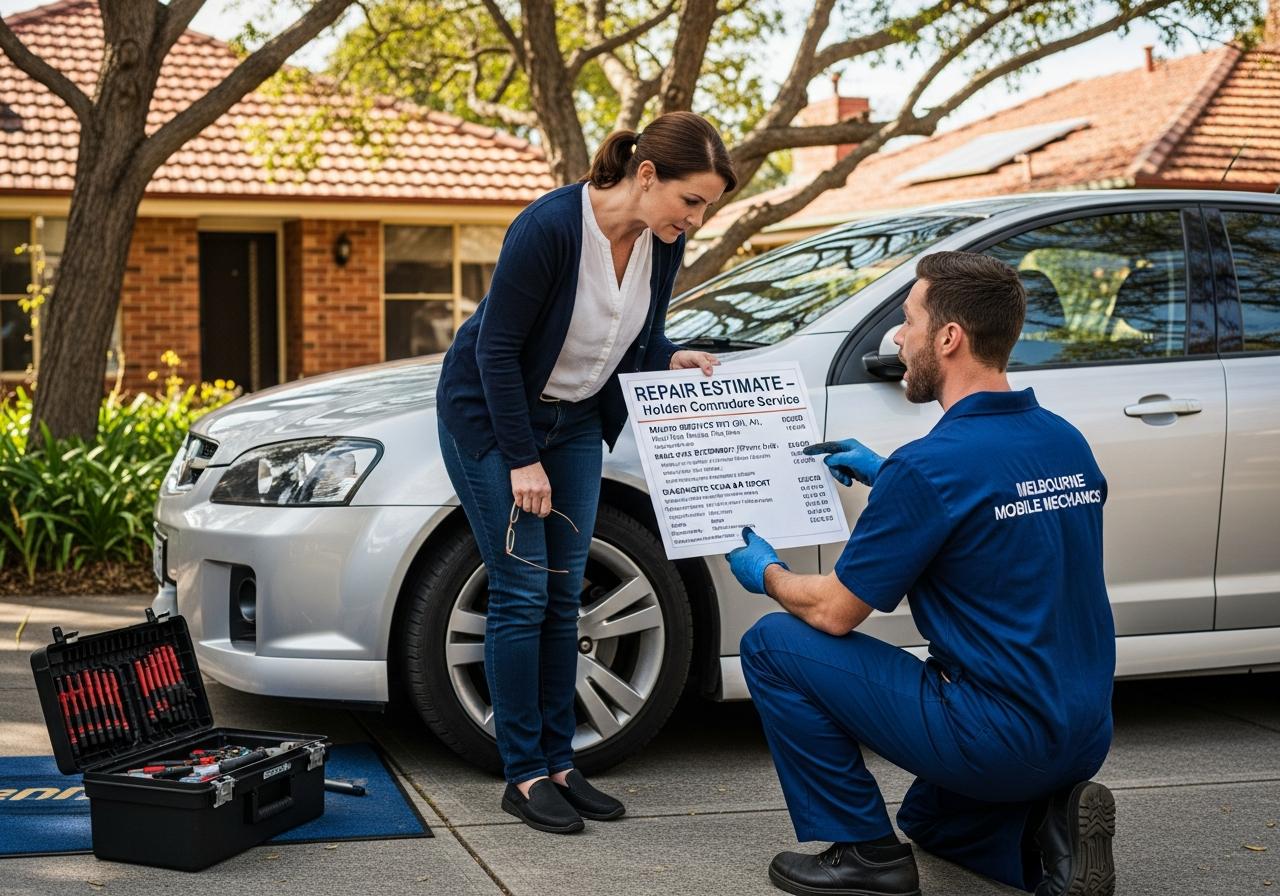
Most drivers are not mechanics, so it can be difficult to judge whether a repair recommendation is reasonable. You do not need to know every technical detail to protect yourself: ask for a clear explanation, understand what is included in the quote, keep records and do not feel pressured into approving work you do not understand.
This guide covers 12 warning signs that deserve a closer look when choosing a mechanic in Melbourne or elsewhere in Australia. One awkward interaction does not automatically prove dishonesty, and a high quote is not proof of misconduct by itself. Look for patterns, evidence and whether the business communicates transparently.
1. They refuse to explain what has failed
A mechanic should be able to explain the reported fault in plain language, describe how it was identified and outline the recommended repair. Technical terms are sometimes necessary, but you should be able to ask questions without being dismissed. If the explanation remains vague, ask what was inspected or tested and what evidence supports the recommendation.
2. They pressure you to approve repairs immediately
Some faults genuinely need urgent attention, particularly where braking, steering, tyres, overheating or other safety-critical systems are involved. However, repeated pressure without a clear explanation is a reason to pause. Ask what the risk is, whether the vehicle should be driven, and whether you can receive the recommendation in writing before deciding. For related help, explore our brake repair service information.
3. The quote is unclear or keeps changing without explanation
A quote should make the scope understandable: what work is proposed, what parts or consumables are included, and what could cause the total to change. Extra findings can legitimately change a repair estimate, but the reason should be explained and additional work should not simply appear without discussion. Ask for an updated written estimate and approval process.
| Quote detail | What a clear answer should cover |
|---|---|
| Diagnosis | What has been checked, what was found and whether the root cause is confirmed. |
| Parts | Part description and whether it is new, reconditioned or another type where relevant. |
| Labour | The work included and any assumptions or exclusions. |
| Additional work | How the mechanic will contact you and obtain approval before proceeding. |
| Fees and tax | Call-out or diagnostic charges, consumables and whether GST is included. |
| Warranty | Applicable parts and labour terms, exclusions and the process for raising a concern. |
| Records | An appropriate invoice or service record describing the work and charges. |
4. They recommend parts without showing or describing the evidence
You may not always be able to inspect a component yourself, and not every diagnosis can be demonstrated with a simple photograph. Still, a reputable explanation should connect the test result or observed condition to the proposed repair. Ask what symptoms, measurements, fault codes or inspection findings support the recommendation.

5. They use scare tactics instead of explaining risk
Words such as “dangerous” should be supported by a clear description of the hazard. If a mechanic says the car is unsafe, ask which component is affected and what you should do next. If a safety-critical fault is suspected, take the warning seriously while seeking a clear explanation; do not drive simply to test whether the concern is real.
6. They cannot give you a clear scope of work
Before authorising a repair, you should understand what the mechanic plans to do and what outcome is expected. If the issue is still being diagnosed, the initial authorisation may be for testing rather than a confirmed repair. Make sure you understand that distinction and how you will be contacted before the next stage.
7. They avoid providing an invoice or service records
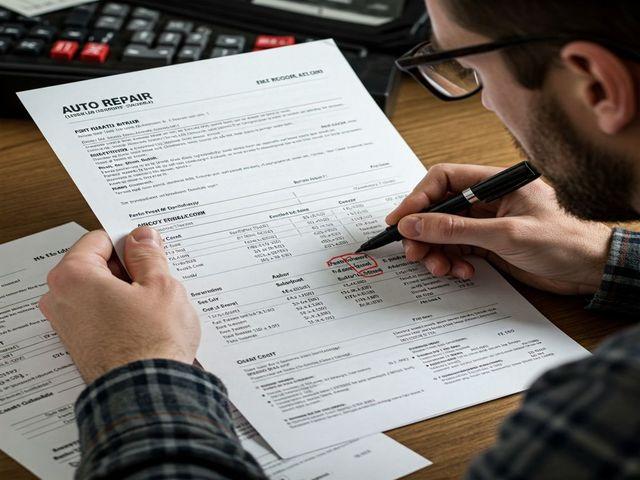
Ask for an itemised invoice or other appropriate written record showing the work performed and charges. The exact documentation may vary by business and job, but a reluctance to provide any clear record makes it harder to understand what you paid for or follow up later. Keep quotes, invoices, inspection notes and messages together.
8. They will not identify the parts or explain the warranty terms
For a replacement part, ask whether it is new, reconditioned or another type where relevant, and what warranty applies to the part and labour. Warranty terms vary, so request the actual conditions rather than relying on a vague verbal assurance. Do not assume every part has the same coverage or that every failure will be covered.
9. They keep adding unrelated work
During an inspection, a mechanic may legitimately discover additional wear or faults. The concern is not that extra work is mentioned; it is whether each recommendation is explained and prioritised. Ask which items are urgent, which can be monitored and which are optional maintenance. Get approval before expanding the job.
10. They cannot explain diagnostic results
A diagnostic trouble code is a clue, not always proof that a specific part has failed. A code may point to a system or condition that requires further tests. Be cautious if someone treats a single code as a guaranteed diagnosis without considering symptoms and supporting checks. Ask what testing confirms the root cause and what remains uncertain.
11. They make guarantees that sound too absolute
Mechanical work involves parts, vehicle condition and sometimes faults that are not visible until repair begins. Be cautious of promises that every issue will be fixed instantly, that no further fault can occur, or that a diagnosis is certain before the necessary checks. Ask what the proposed work can reasonably resolve and what limitations apply.
12. They resist reasonable questions or refuse to document approvals
You should be able to ask about the estimate, parts, timing and scope without being made to feel foolish. A clear business should also be willing to record what you authorised and any changes agreed during the job. If communication breaks down, pause before approving additional work and seek clarification in writing.
What a trustworthy repair process should look like
- Listen: the mechanic records your symptoms, when they occur and relevant history.
- Inspect and test: findings are based on appropriate checks rather than assumptions alone.
- Explain: the mechanic describes the likely cause, evidence and any diagnostic uncertainty.
- Quote: you receive a clear scope and understand what is included.
- Ask permission: additional work is discussed before it is carried out.
- Document: you receive an appropriate invoice or service record and information about relevant warranty terms.
- Follow up: if the issue remains, the next diagnostic or repair step is explained.
How to protect yourself before approving a repair
Describe the symptom, not your guess
Tell the mechanic what you hear, smell, see or feel, when it happens and whether warning lights appear. Instead of insisting that a particular part has failed, describe the evidence and let the mechanic investigate. This helps avoid anchoring the diagnosis to an unverified assumption.
| Category | Examples | What to do |
|---|---|---|
| Potentially urgent safety concern | Reported brake/steering problem, severe tyre damage, overheating or smoke. | Ask whether the vehicle is safe to drive and arrange appropriate help; do not dismiss a credible safety warning. |
| Repair needing clarification | A major part replacement is recommended but the evidence or diagnosis is unclear. | Request an explanation, written estimate and, if appropriate, a second opinion. |
| Maintenance due soon | Service items or wear that may need attention but are not described as immediately dangerous. | Ask for timing, consequences of delay and an itemised estimate. |
| Optional or cosmetic item | Appearance-related or convenience work not essential to the stated fault. | Ask whether it is optional and decide without pressure. |
Use this summary to ask better questions; a single sign alone does not prove dishonesty.
| Red flag | What it may look like | Reasonable response |
|---|---|---|
| Unclear diagnosis | The mechanic cannot explain what was tested or why a part is suspected. | Ask for the findings, test results and what remains uncertain. |
| Pressure tactics | You are pushed to approve expensive work immediately without a clear risk explanation. | Ask for the risk and recommendation in writing; do not ignore genuine safety warnings. |
| Unexplained quote changes | The total rises without a clear explanation of new findings or work. | Request an updated itemised estimate before authorising additional work. |
| No evidence for replacement | A part is recommended but symptoms or test findings are not explained. | Ask how the proposed repair addresses the fault. |
| No itemised record | You cannot obtain a clear invoice or record of the work completed. | Request suitable written documentation and keep all messages. |
| Vague warranty terms | Coverage, exclusions or parts type are not explained. | Ask for the actual warranty terms and whether parts and labour are covered. |
| Unapproved extra work | The job expands without a clear approval request. | Pause and clarify what was authorised and what charges apply. |
| Absolute guarantees | A complex diagnosis or repair is promised with no stated limitations. | Ask what the repair can reasonably resolve and what follow-up may be needed. |
Ask three practical questions
- What did you find, and what evidence supports that conclusion?
- What is included in the quote, and what might change the price?
- Will you contact me and get approval before doing any additional work?
Keep everything in writing
Save the initial quote, messages approving the work, updated estimates, invoice and any inspection notes. Written records help both sides remember what was agreed and make it easier to resolve misunderstandings.
Get a second opinion when appropriate
If a major repair is recommended and the evidence is unclear, a second opinion can be reasonable—provided the car can be moved safely. For a suspected safety-critical issue, ask whether it should be driven or transported rather than driving it to another workshop without guidance.
What if you are unsure about a mechanic's recommendation?
Pause and ask for the finding, risk and proposed repair to be explained. You can request a written estimate or seek another qualified opinion. If the concern involves an immediate safety issue, do not ignore it while comparing prices. If a dispute develops, retain the paperwork and check the relevant consumer protection guidance for your state or territory; processes and rights can depend on the circumstances. For related help, explore our car servicing options.
When choosing a provider, review the service scope and booking process before committing. You can explore available services or share your vehicle details through the booking page.
Frequently asked questions
How can I tell if a mechanic is being dishonest?
No single sign proves dishonesty. Look for repeated lack of transparency, unexplained changes to the quote, pressure to approve work, refusal to document charges or recommendations that are not supported by an understandable explanation.
Should a mechanic show me the faulty part?
You can ask to see the part or receive photos where practical, but access and safety may limit this. The mechanic should still be able to explain the finding and the evidence behind the repair recommendation.
Is a very expensive quote a red flag?
Not on its own. Vehicle design, parts quality, labour, access and the repair scope can affect cost. Ask for an itemised scope and compare like-for-like quotes before deciding.
Can I refuse extra repairs?
You can ask for clarification and decline work you have not authorised, subject to the terms and circumstances of the service already agreed. Ask what has already been completed, what charges apply and whether the vehicle is safe to drive.
Should I approve a repair based only on a fault code?
Not necessarily. A fault code often identifies a system or condition rather than proving a particular component has failed. Ask what additional checks support the diagnosis.
What should an automotive repair invoice include?
Ask for a clear record of the work performed and charges, along with relevant parts or service details. The precise requirements can vary, so keep all quotes and approval messages as well.
When should I get a second opinion?
Consider one when a costly or major repair is recommended but the evidence is unclear, or when you cannot get a satisfactory explanation. Do not drive a vehicle that may be unsafe just to obtain another quote.
What should I do if a repair dispute cannot be resolved?
Keep the quote, invoice, messages and any inspection evidence, then check the consumer protection or dispute-resolution options relevant to your state or territory. The appropriate process depends on the facts and location.
A simple repair-approval checklist
Before authorising work, make sure you can answer these questions in your own words. If any answer is unclear, pause and ask for clarification. For urgent safety concerns, take the risk seriously while requesting an understandable explanation.
- What problem is the mechanic trying to solve?
- What inspection or test supports the diagnosis?
- Is the diagnosis confirmed, or is further testing needed?
- What exactly is included in the quoted price, and what is excluded?
- Will the mechanic obtain approval before any additional work?
- What records, invoice and warranty information will I receive?
If a disagreement occurs, keep the quote, invoice, photographs, messages and notes of conversations. The appropriate complaint or dispute pathway can depend on your state or territory and the facts of the matter, so check the relevant official consumer-protection guidance rather than assuming every situation follows the same process.