
The short answer: most Australian cars should be serviced by both kilometres and time, with the service due when the relevant limit is reached first. A common pattern is around 10,000–15,000 km or 6–12 months, but the manufacturer's schedule is the authority for the exact interval.
This matters even if you drive very little. Time affects fluids, batteries, seals and tyres, while high annual kilometres bring distance-based services around faster.
Km vs Time: Which Comes First?
| Driving patternMain considerationPractical approach | ||
| Low annual km | Time | Do not skip scheduled servicing because the odometer is low |
| Average use | Both | Track date and kilometres |
| High annual km | Distance | Expect kilometre milestones sooner |
| Heavy/short-trip use | Severe-use guidance | Check the manufacturer's special schedule |
Modern car dashboard representing a service reminder based on kilometre and time intervals
Why Low-Kilometre Cars Still Need Servicing
Servicing is not only about distance. Engine oil and other fluids can age, batteries can deteriorate while parked and tyres can age even when tread wear is low.
Oil and filters
Follow the manufacturer's interval rather than choosing a schedule based only on kilometres. Frequent short trips can also be demanding on a vehicle.
Battery
Low-use vehicles can experience battery discharge and reduced starting performance. Slow cranking is a reason to have the battery tested.
Tyres
Check pressure, tread, damage and condition. Low kilometres do not automatically mean tyres are healthy.
What Happens at Common Service Milestones?
Some vehicles use 10,000 km intervals, others 15,000 km or a different schedule. Some also specify a maximum time period.
| MilestonePlanning meaning | |
| 10,000 km | May be a scheduled service point for some vehicles |
| 15,000 km | Common scheduled interval for many modern vehicles |
| 20,000–30,000 km | May coincide with a larger scheduled service |
| 60,000 km+ | Higher-kilometre services may include additional scheduled items |
These are planning examples, not a replacement for your exact manufacturer schedule.
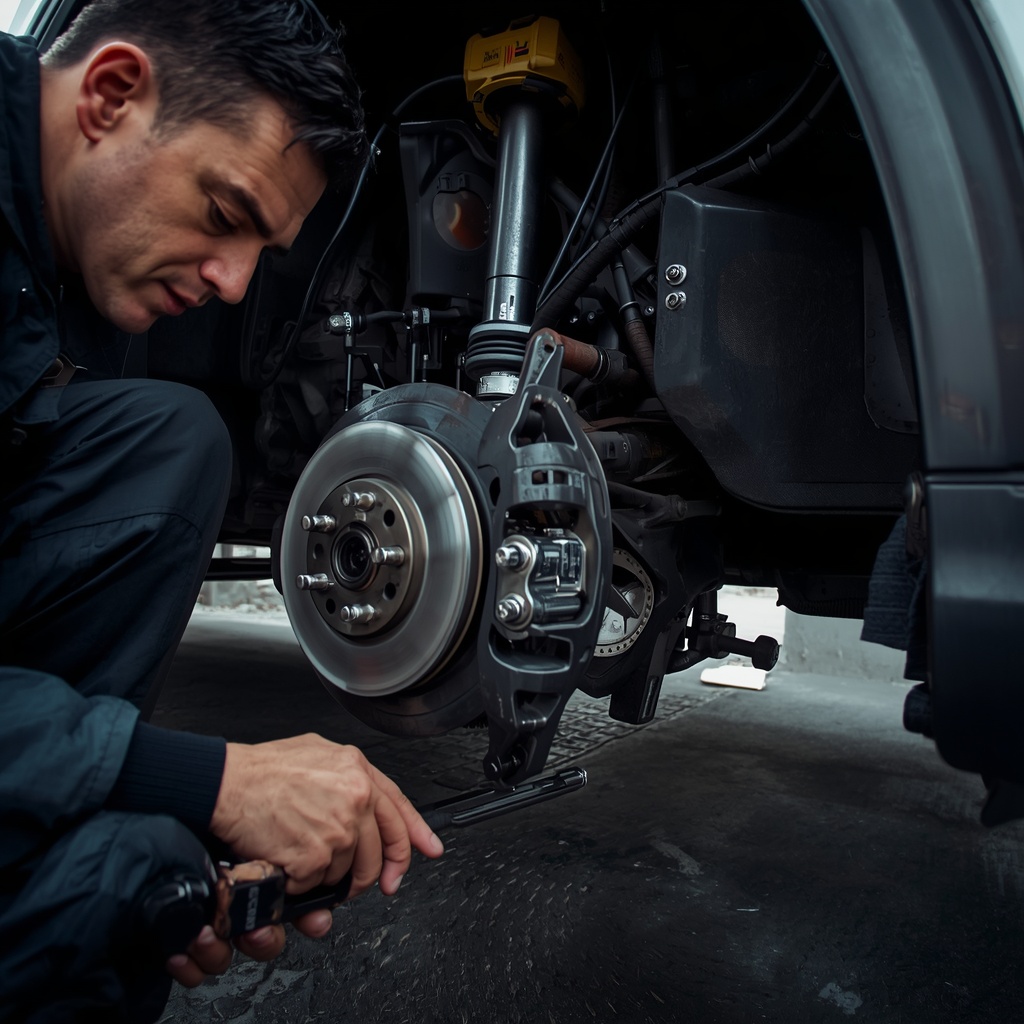
Mechanic inspecting brakes and suspension components during a scheduled vehicle service
How Driving Conditions Change Maintenance
Short trips
Frequent short journeys can be demanding because the engine may not spend enough time at operating temperature. Check whether the manufacturer defines severe use.
Highway kilometres
High annual distance still brings service milestones around quickly, even if the driving is mostly steady highway travel.
Stop-start Melbourne traffic
Heavy traffic means more braking, idling and low-speed driving, making condition checks useful.
Towing and heavy loads
Regular towing or heavy loads can change maintenance requirements, so follow the manufacturer's guidance.
How to Track the Next Service
- Record the current odometer reading.
- Record the date and kilometres of the last service.
- Check the exact manufacturer schedule.
- Calculate the next kilometre milestone.
- Check the maximum time interval.
- Book when the relevant requirement is due.
For routine maintenance, see general car service. For service-type differences, read the basic vs minor vs general guide. For the long-term ownership picture, read the five-year car servicing cost guide.
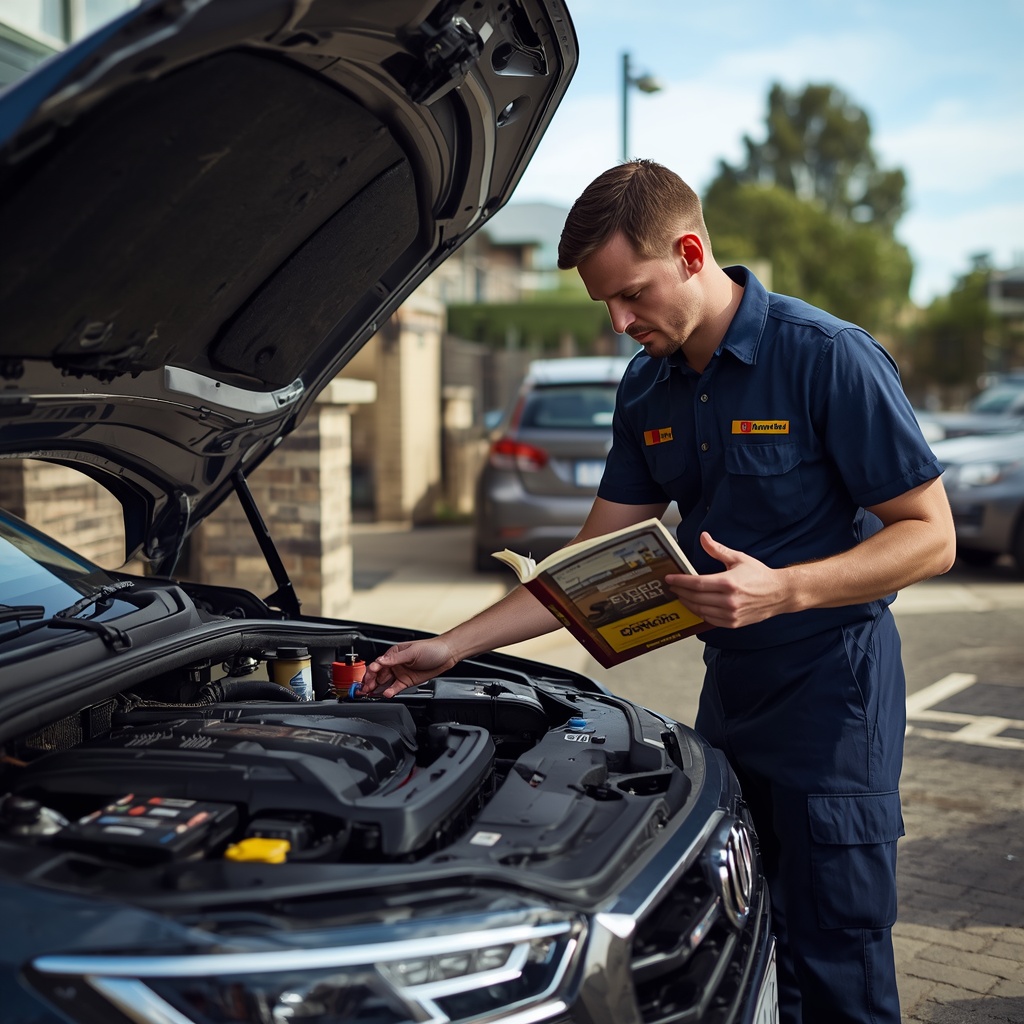
When to Book Earlier
Do not wait for the scheduled date if you have warning lights, fluid leaks, overheating, unusual noises, braking changes, steering problems or poor starting. Those are fault symptoms, not normal service reminders.
When you are ready, use the book a service page to request a quote.
FAQ
How often should you service your car in Australia?
Most vehicles use both time and distance intervals, commonly around 10,000–15,000 km or 6–12 months. Follow the exact manufacturer schedule for your vehicle.
Is it better to service by kilometres or time?
Use the requirement that arrives first unless the manufacturer specifies another rule.
What if I drive very few kilometres?
You may still need servicing because fluids, batteries, seals and tyres age with time.
What if I drive a lot of kilometres?
Distance-based intervals arrive sooner and higher kilometres can increase wear on tyres, brakes and other components.
Does a service reminder mean a major service?
Not necessarily. The required work depends on the vehicle and its scheduled interval.
Can I service slightly early?
Yes, depending on the manufacturer's guidance and your driving pattern. Avoid stretching the interval beyond the recommended schedule.
How do I know what is due at each interval?
Use the owner's manual or manufacturer schedule for the exact make, model, engine and year.
Can a mobile mechanic perform scheduled servicing?
Many routine scheduled services can be completed by a mobile mechanic, subject to the vehicle and required work.

Car service planning calendar beside vehicle keys and a maintenance checklist
Final Takeaway
Think of vehicle maintenance as a two-part schedule: distance and time. Check both, follow the manufacturer's exact requirements and do not assume a low odometer reading means servicing can be skipped.