A Great Ocean Road trip can involve freeway driving, coastal weather, winding sections, steep gradients and long stretches between stops. Before leaving Melbourne, give your vehicle a basic condition check and deal with warning signs early. A quick check cannot guarantee a trouble-free trip, but it can help you spot obvious problems before they become inconvenient or unsafe.
This guide is designed for ordinary drivers preparing for a drive through Geelong, Torquay, Anglesea, Lorne and beyond. Always adapt the checklist to your vehicle, the weather, the route and the length of your trip.
1. Check your tyres—including the spare if fitted
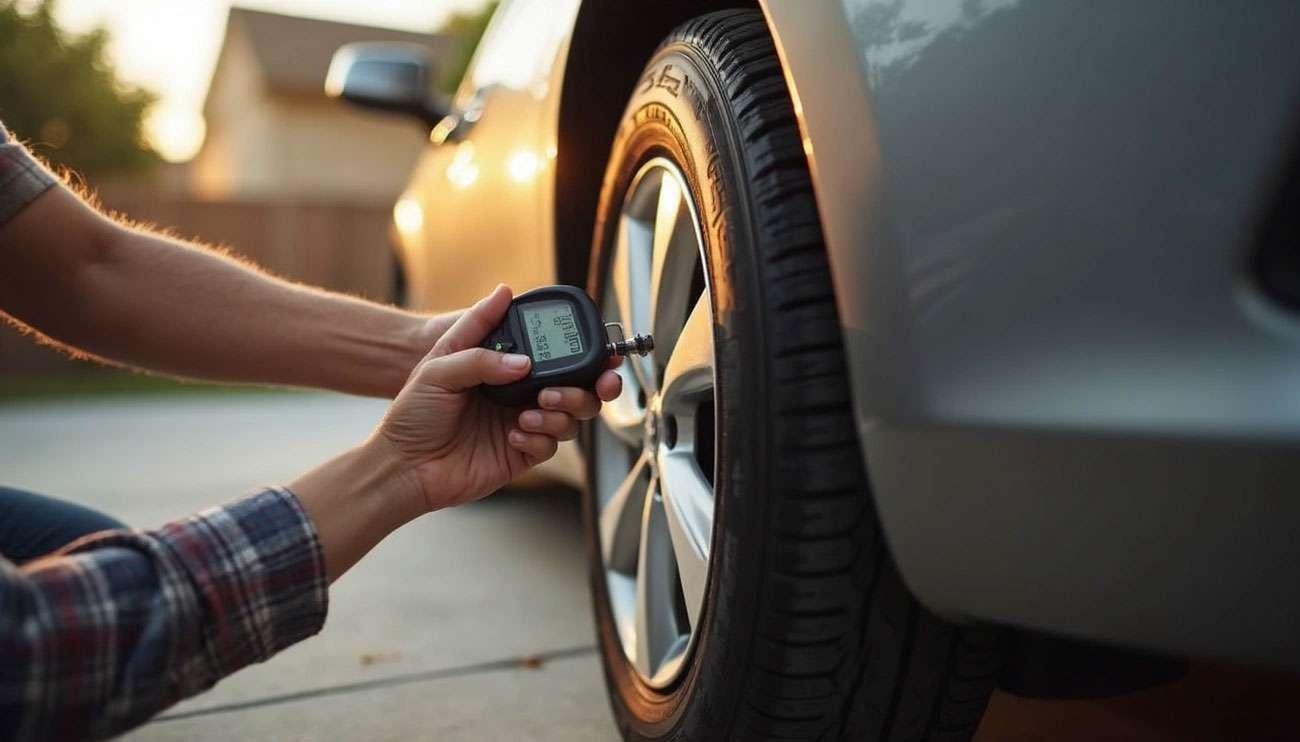
Inspect all tyres in good light. Look for cuts, bulges, exposed cords, embedded objects, uneven wear and visibly low pressure. Use a reliable gauge to check pressures when the tyres are cold, following the placard or handbook rather than the maximum pressure printed on the tyre sidewall. Check the spare tyre and make sure you have the required tools if your vehicle carries one.
Tyres with bulges, exposed cords or serious damage should not be treated as a “see how it goes” issue. Seek professional advice before travelling. If you have a tyre-pressure monitoring warning, investigate it instead of simply clearing the alert.
| Check | Look for | Action before departure |
|---|---|---|
| Tyre pressure | Pressure below the vehicle placard or handbook recommendation | Check when tyres are cold and adjust to the vehicle specification. |
| Tread and wear | Uneven wear, exposed cords, cuts or bulges | Do not travel on a dangerously damaged tyre; seek professional advice. |
| Spare or repair kit | Low spare pressure, missing tools or expired/unsuitable kit | Confirm the equipment supplied with your vehicle and know how it is used. |
| TPMS warning | A tyre-pressure warning that remains on or returns | Investigate the cause rather than simply resetting the warning. |
2. Test brakes and listen for changes
Pay attention to grinding, persistent squealing, vibration during braking, a soft or unusually hard pedal, pulling to one side or a brake warning light. These symptoms can have different causes and should be checked before a long drive. Do not attempt to diagnose brake condition solely from the sound or from a quick look through the wheel.
If braking feels abnormal or the brake warning indicates a serious problem, do not continue the trip until the vehicle has been assessed. A coastal road is not the place to discover that a brake issue has worsened.
If your scheduled maintenance is due, ask what is included in an oil change service and whether the vehicle needs any additional checks before the trip.
3. Check engine oil and other fluids
Follow the owner's manual for checking engine oil, including whether the engine should be warm or cool and how long to wait after switching it off. Check coolant only as instructed and never open a hot pressurised cooling system. Inspect for obvious leaks under the car and note any recent drop in fluid level.
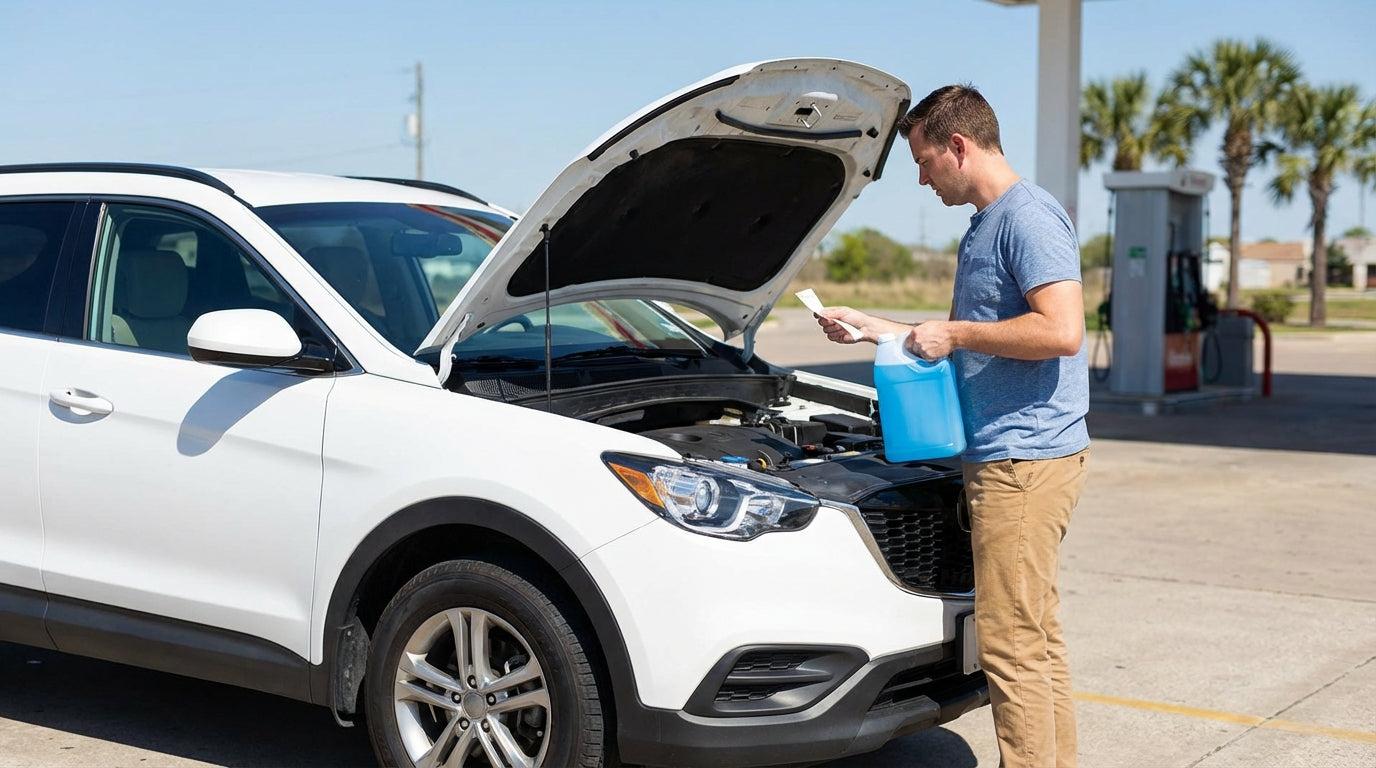
Also check brake fluid, washer fluid and any other serviceable fluids identified in the handbook. Do not top up with an unknown fluid or mix products without confirming the correct specification. If the temperature gauge rises unusually, a coolant warning appears or a leak is evident, resolve the issue before setting off.

4. Confirm lights and windscreen visibility
Test headlights, tail lights, brake lights, indicators, hazard lights and number-plate illumination. Replace failed bulbs or arrange diagnosis if a light remains out after a bulb change. Clean the windscreen inside and out, inspect it for damage and test the washers and wipers. Coastal rain and spray can make weak wipers a serious visibility problem.
Carry suitable washer fluid and avoid travelling with a cracked or damaged windscreen that affects visibility or may be unsafe. If you are unsure whether damage is acceptable, get it assessed before the trip.
Because a road trip can involve long stretches between stops, take battery and charging symptoms seriously. If the car has been slow to start, review our engine battery replacement service and have the actual cause checked.
5. Pay attention to the battery and starting system
A slow crank, repeated clicking, dimming lights during starting or a battery warning can indicate a battery or charging-system issue. A battery that starts the car today is not guaranteed to cope with repeated stops, accessories and changing temperatures. If the battery is old or has recently struggled, consider a proper test before departure.
If jump-starting has recently been necessary, do not assume the battery is the only possible cause. Charging-system faults, loose connections and other electrical issues may also need attention.
6. Check belts, hoses and recent warning signs
Look for obvious signs such as a damaged drive belt, cracked or swollen hoses, fresh fluid marks or a new burning smell. Do not put your hands near moving engine components. Some components are difficult to inspect safely without equipment, so leave uncertain or inaccessible checks to a mechanic.
Never ignore a new engine warning light, overheating, severe vibration, steering change or repeated misfire simply because the car still drives. A pre-trip inspection is a good opportunity to explain recent symptoms and ask what needs attention before the journey.
7. Make sure the cabin and safety essentials are ready
- Check that seatbelts latch and retract properly.
- Set mirrors and driver seating before moving off.
- Carry a charged phone and a suitable charging cable.
- Bring drinking water, weather-appropriate clothing and any essential medication.
- Know your roadside assistance arrangements and keep relevant contact details available.
- Carry a warning triangle or other safety equipment if appropriate and permitted for your vehicle and route.
- Plan fuel or charging stops and do not rely on the last possible range.
For electric and plug-in hybrid vehicles, include the manufacturer's battery and charging guidance in your planning, and map suitable charging stops. For any vehicle, check current road, weather and traffic conditions before leaving.
8. What should a pre-trip inspection cover?
A professional inspection may include checks of tyres, visible brake condition, lights, fluid levels, leaks, battery condition, belts and hoses, steering or suspension symptoms, and a review of warning lights. The exact scope depends on the service booked and what can be inspected safely at the location. Ask for the inspection checklist and findings in writing.
A basic service is not automatically a complete mechanical inspection, and a pre-trip check cannot predict every failure. Explain your planned distance and any symptoms so the mechanic can prioritise relevant checks.
| Area | Useful checks | Why it matters |
|---|---|---|
| Tyres and wheels | Condition, pressures, uneven wear and spare/repair equipment | Helps identify obvious tyre concerns before highway and coastal driving. |
| Brakes and steering | Reported noises, vibration, pedal feel and warning indicators | Abnormal behaviour needs assessment before a long trip. |
| Fluids and leaks | Oil level, coolant procedure, washer fluid and visible leaks | Low levels or leaks may signal a problem that needs attention. |
| Lights and visibility | Headlights, indicators, brake lights, wipers and washers | Rain, spray and changing light can make faults more consequential. |
| Battery and warnings | Starting symptoms, battery/charging warnings and dashboard alerts | Can flag issues that may cause a breakdown or require urgent action. |
9. When should you delay the trip?
Do not set off with overheating, a serious brake or steering concern, a tyre with dangerous damage, a significant fluid leak, a charging or battery problem that prevents reliable starting, or a warning that the handbook identifies as requiring immediate action. If the car feels unsafe, stop in a safe place and seek assistance.
For less urgent symptoms—such as an intermittent noise, a minor warning or a service interval that is due—get advice before deciding whether the vehicle is ready for a long journey. A small problem may be straightforward to address now but more disruptive far from home.
| Warning sign | Recommended response |
|---|---|
| Overheating or oil-pressure warning | Stop safely, follow the handbook and seek assistance; do not continue simply because the car still moves. |
| Brake or steering behaviour changes | Avoid continuing the journey until the vehicle has been assessed. |
| Tyre bulge, exposed cords or severe damage | Do not treat it as a minor issue; arrange professional help before travel. |
| Significant fluid leak or burning smell | Park safely and have the cause checked before departure. |
| Minor noise or service due | Get advice and agree the inspection scope before deciding whether the trip should proceed. |
10. Booking a check before heading west
If you need routine maintenance before a trip, review our general service options, see the wider service list, or send a booking request. Tell us the vehicle details, planned travel date and any warning lights, noises or leaks. If your route includes Geelong or Lorne, confirm service-area coverage and appointment availability before relying on a call-out.
Always follow the vehicle handbook and current road and weather advice. This checklist is general guidance, not a substitute for a vehicle-specific inspection.