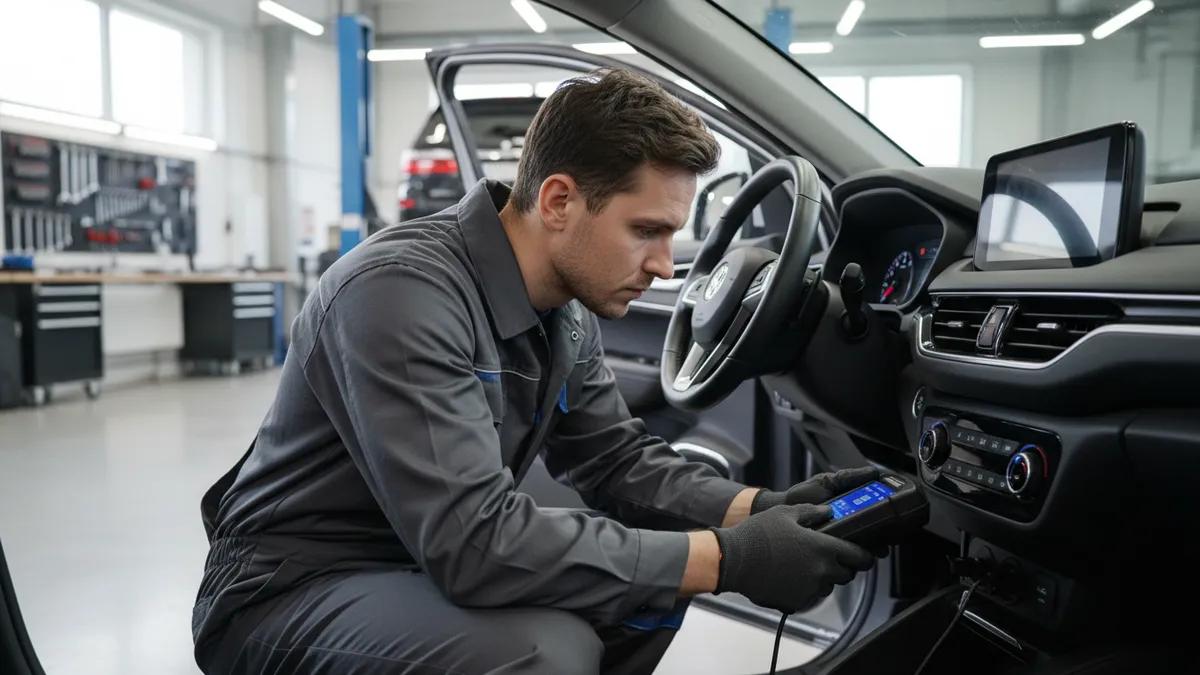
Seeing the check engine light illuminate can be worrying, especially if your car still seems to drive normally. The warning may relate to an emissions-control system, a sensor, an ignition misfire, the fuel mixture or another engine-management issue. Some faults need prompt attention even when the symptoms are not obvious.
A diagnostic scan retrieves fault codes stored by the vehicle's electronic control modules. These codes help narrow down the investigation, but they do not automatically identify the failed part. This guide explains what the check engine light means, when to stop driving, how diagnostic scanning works and what affects the cost of a mobile car diagnostic in Melbourne.
What Does the Check Engine Light Mean?
The check engine light, also called the malfunction indicator lamp, alerts the driver that the engine-management or emissions system has detected a condition that needs attention. Its meaning depends on the vehicle, the warning pattern and any accompanying symptoms or dashboard messages.
A steady light often indicates a fault that should be investigated soon. A flashing check engine light can indicate an active misfire or another condition that may damage emissions-control components. If the light flashes, the engine shakes, power drops sharply or smoke or an unusual burning smell appears, stop somewhere safe and arrange professional advice or recovery rather than continuing to drive.
Do not confuse the check engine light with every other dashboard warning. Oil-pressure, brake-system, engine-temperature and charging-system warnings can indicate different and potentially urgent problems. Follow the vehicle handbook and respond to the specific warning displayed.
Common Reasons the Check Engine Light Comes On
Ignition Misfire
An engine misfire occurs when one or more cylinders do not burn the air-fuel mixture correctly. Possible causes include ignition coils, spark plugs, fuel-delivery issues, wiring or mechanical faults. You may notice shaking, uneven idling, poor acceleration or increased fuel consumption. A severe or ongoing misfire needs prompt attention because it can damage emissions-control components.
Air-Fuel Mixture or Intake Leak
The engine-management system measures and adjusts the air-fuel mixture. Incorrect readings, an intake leak or a fuel-delivery problem can cause the mixture to move outside the expected range. A code may point towards a system or condition, but further checks are needed to identify the actual cause.
Sensor or Wiring Fault
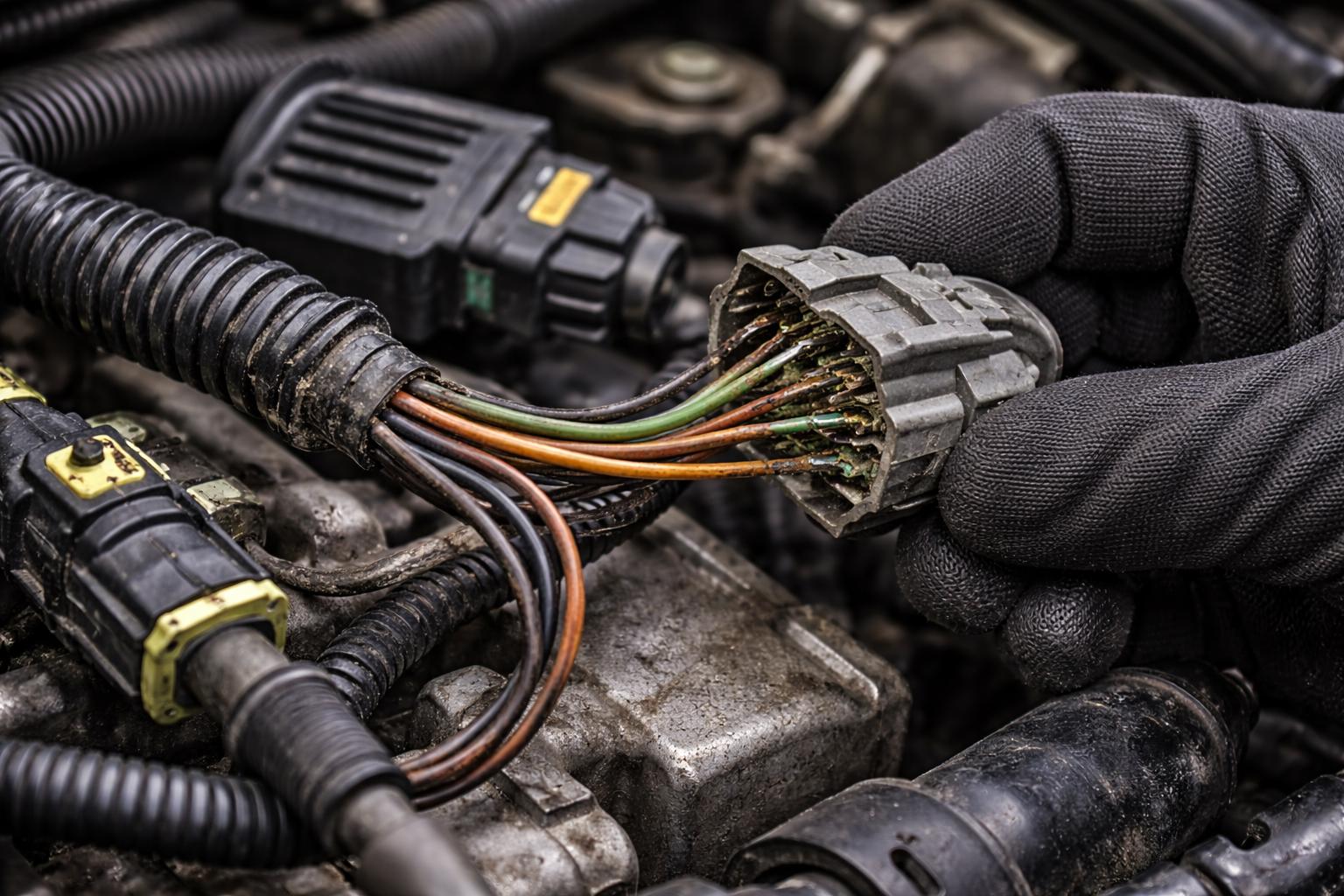
A sensor, connector, wiring fault or power-supply problem may produce a diagnostic code. Replacing a sensor solely because its name appears in a code is not always correct. The technician should check readings, wiring and related systems before recommending a replacement.
Emissions-Control System Problem
Emissions-related faults can involve oxygen sensors, evaporative-emissions components, exhaust leaks, catalytic-converter efficiency or other systems. Some faults may not noticeably change how the car drives at first, but leaving them unresolved can affect emissions, fuel use or related components.
Fuel Cap or Evaporative-Emissions Leak
On vehicles with a conventional fuel cap, a loose or incorrectly fitted cap can sometimes contribute to an evaporative-emissions fault. Check the owner's manual and ensure the cap is correctly secured if the vehicle has one. A persistent warning still needs proper diagnosis.
Common Diagnostic Codes: What They Can and Cannot Tell You
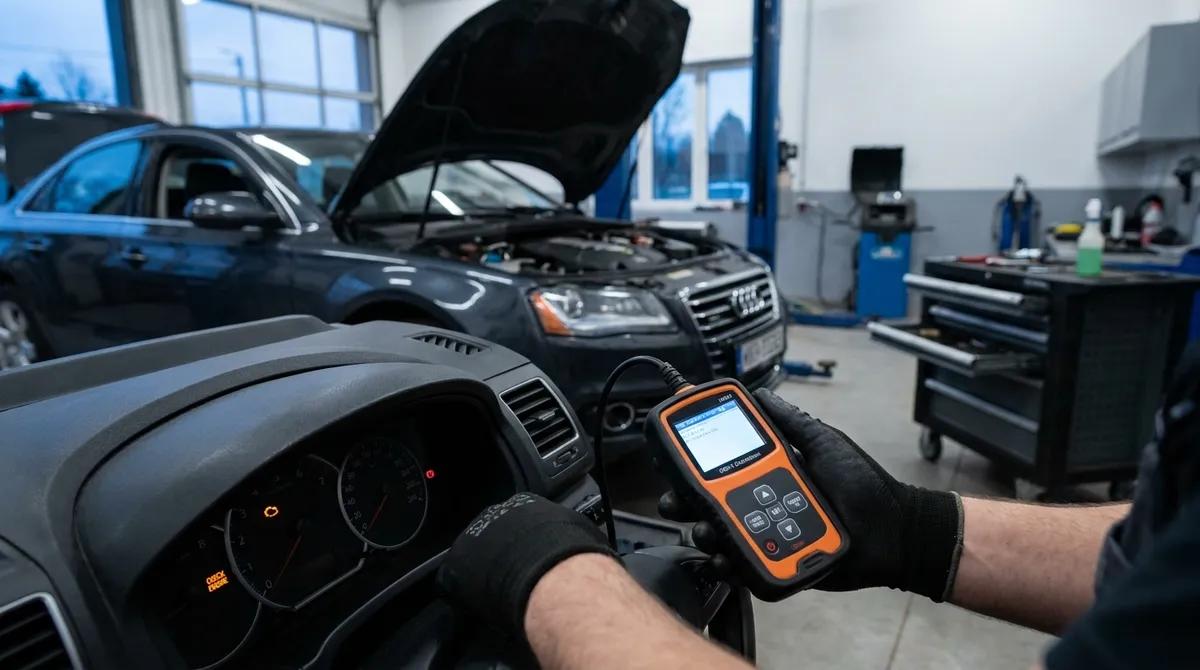
An OBD-II scan may display a diagnostic trouble code such as P0300 or P0420. The code describes a detected condition or system. It is a starting point for diagnosis, not proof that one particular part must be replaced.
| Example code | General description | Why further testing matters |
|---|---|---|
| P0300 | Random or multiple-cylinder misfire detected | Possible causes include ignition, fuel, air-intake or mechanical problems. |
| P0301 | Cylinder 1 misfire detected | The cause may involve ignition, fuel delivery, compression or related wiring. |
| P0171 | System too lean on Bank 1 | Possible causes include an intake leak, fuel-delivery issue or sensor-related fault. |
| P0420 | Catalyst system efficiency below threshold on Bank 1 | Exhaust leaks, sensor performance and catalyst condition may need checking. |
| P0128 | Coolant temperature below the expected regulating range | Possible causes include thermostat or temperature-sensing issues. |
| P0455 | Large evaporative-emissions system leak detected | Possible causes include a cap or seal issue, hose, valve or another EVAP component. |
Code definitions and diagnostic procedures can vary by manufacturer and vehicle configuration. Some vehicles use manufacturer-specific codes, and a basic scan tool may not access every control module. A technician should consider stored and pending codes, relevant live data, symptoms and inspection findings together.
What Is Included in a Mobile Diagnostic Scan?
A diagnostic visit commonly starts with questions about the warning light, when it appeared and how the car behaves. The technician may connect a compatible scan tool to the diagnostic port, retrieve available fault codes and review relevant data. The exact scope depends on the vehicle, equipment and problem being investigated.
A useful diagnosis goes beyond reading a code. Depending on the fault, the next steps may include checking wiring and connectors, inspecting hoses, reviewing live sensor readings, testing electrical supply or carrying out manufacturer-recommended checks. Some problems require workshop equipment, extended testing or specialist investigation that cannot be completed during a basic mobile scan.
Ask whether the quoted service covers code reading only or includes diagnostic investigation. Reading a code and confirming the underlying cause are not necessarily the same service.
How Much Does a Mobile Car Diagnostic Cost in Melbourne?
There is no single diagnostic price that applies to every vehicle and fault. A basic code scan may involve less time than an intermittent electrical fault, a recurring misfire or a problem that requires manufacturer-specific testing. Confirm the provider's current price and the scope of work before booking.
- Vehicle make and model: Some vehicles need specialist equipment or manufacturer-specific procedures.
- Diagnostic scope: Reading codes differs from carrying out a complete fault investigation.
- Fault complexity: An intermittent issue may take longer to reproduce and confirm.
- Location and access: Travel, parking or access conditions may affect a mobile appointment.
- Additional tests or repairs: Parts, extended testing and repair labour may be quoted separately.
Describe the warning light, fault messages, symptoms and whether the vehicle is safe to drive. Ask what the diagnostic fee includes, whether it is credited towards an approved repair and whether further testing requires separate approval. Confirm the price with the provider rather than relying on a generic online estimate.
Can You Drive With the Check Engine Light On?
The safest response depends on the warning pattern and how the vehicle behaves. If the check engine light is steady and the car operates normally, arrange a prompt diagnostic assessment and consult the owner's manual. Do not ignore the light simply because the vehicle still drives.
If the light is flashing, the engine runs roughly, the vehicle loses significant power, the temperature rises abnormally or another urgent warning appears, stop somewhere safe. Do not continue driving if doing so could worsen the fault or create a safety risk. Oil-pressure, overheating or braking warnings require a response appropriate to that specific warning.
Should You Clear the Fault Code Yourself?
Clearing a code does not repair the underlying fault. It can erase useful diagnostic information and reset emissions-readiness monitors, making later assessment more difficult. If you have recorded a code, keep the exact code and any available freeze-frame information for the technician.
Do not disconnect the battery just to switch off a warning light. That may not resolve the issue and can reset vehicle settings or create additional complications. Diagnose the cause, complete the appropriate repair and then verify whether the fault returns.
How to Prepare for a Diagnostic Appointment
Write down when the light appeared, whether it is steady or flashing, whether it occurs at idle or under acceleration, and whether the vehicle has recently been serviced or repaired. Record unusual noises, fuel-consumption changes, hard starting, loss of power or rough running. If a scan tool has already displayed a code, provide the exact code rather than a guess about its meaning.
Explore our mechanic services or book a service to discuss the warning light and available diagnostic options.
Frequently Asked Questions
How much does a car diagnostic scan cost in Melbourne?
The price depends on the vehicle, location, scan scope and whether further testing is needed. Ask whether the fee covers code reading only or a wider diagnostic investigation, and confirm any additional charges before work proceeds.
Does a diagnostic code tell me exactly which part to replace?
Usually not. A code identifies a detected condition or system and helps guide testing. The technician may need to inspect wiring, connectors, live data and related components before confirming the cause.
Can I drive with a steady check engine light?
If the light is steady and the vehicle behaves normally, arrange a prompt assessment and follow the owner's manual. If the light flashes or the vehicle shakes, overheats, loses significant power or shows another urgent warning, stop safely and seek professional advice.
What does a flashing check engine light mean?
A flashing light can indicate an active misfire or another condition that may damage emissions-control components. Avoid continuing to drive, especially if the engine is shaking or running poorly, and arrange professional assistance.
Will clearing the code fix the problem?
No. Clearing a fault code does not repair the underlying fault. It may also remove useful diagnostic information or reset emissions-readiness monitors, so the cause should be investigated first.
Can a mobile mechanic diagnose a car at my home?
A mobile diagnostic appointment may be available depending on the location, vehicle and type of fault. Some problems need specialist equipment, extended testing or a workshop, so explain the symptoms and warning lights when booking.
What information should I provide when booking a diagnostic scan?
Provide the vehicle make, model and year, whether the light is steady or flashing, any displayed codes, when the issue occurs and any symptoms such as rough running, hard starting or loss of power.