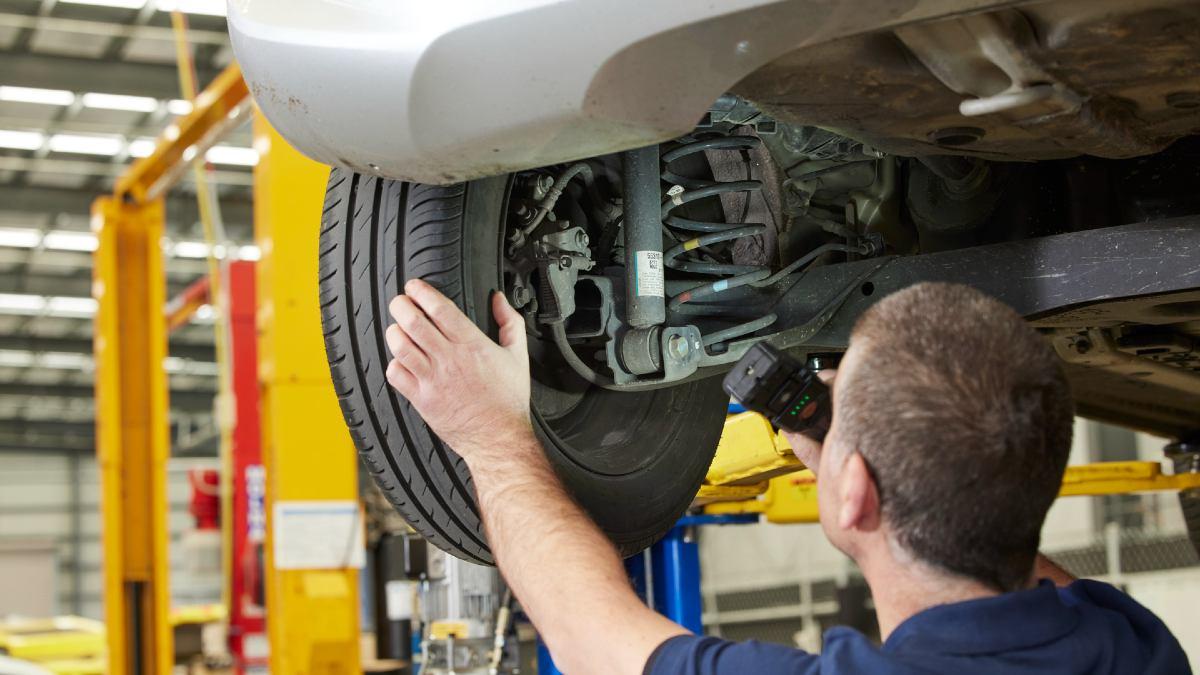
If your car keeps drifting left or right, you may instinctively turn the steering wheel to correct it. A small change in direction can sometimes be influenced by the road's shape, wind or surface, but persistent pulling should not be ignored. The cause may involve tyre pressure, wheel alignment, tyre wear, suspension components or the brakes.
Correctly identifying the cause matters because an alignment adjustment will not repair a damaged tyre or a sticking brake caliper. This guide explains the main differences, what you can check safely before booking, and when drivers around Wyndham Vale, Tarneit, Eynesbury and Melbourne's west should arrange a professional assessment.
First, What Does It Mean When a Car Pulls to One Side?
A car pulls when it consistently moves or steers towards one side instead of maintaining its intended direction with normal steering input. The sensation may appear during ordinary driving, when braking, while accelerating or after hitting a pothole. The circumstances can help narrow down the possibilities, but they do not confirm a particular fault.
Roads are not always perfectly level. Road camber, crosswinds and uneven surfaces can influence the direction a vehicle naturally tracks. Compare symptoms only in a safe, legal driving situation and never release the steering wheel, deliberately cross lanes, or perform sudden manoeuvres to test a fault.
If the pull is sudden or severe, the steering feels unstable, a tyre appears damaged or braking performance changes, slow down carefully when safe and stop in a suitable location. Arrange professional assistance if the vehicle may not be safe to drive.
1. Could Incorrect Tyre Pressure Be the Cause?
Unequal tyre pressures can affect how the vehicle responds and may contribute to pulling, particularly if one front tyre is significantly underinflated. Low pressure can also increase heat build-up and tyre wear. Before assuming the wheels need alignment, check the tyre pressures against the vehicle manufacturer's recommended values.
Use the pressure information in the owner's manual or the vehicle's tyre-pressure placard, commonly found inside a door opening or another manufacturer-specified location. The correct pressure is not necessarily the maximum pressure printed on the tyre sidewall. Check tyres when they are cold where practical and follow the vehicle manufacturer's guidance.
While checking pressure, look for visible cuts, bulges, embedded objects or obvious damage. Do not continue driving on a tyre with a dangerous bulge, rapid pressure loss or significant structural damage. Arrange an appropriate inspection or roadside assistance.
2. Could Wheel Alignment Be Incorrect?
Wheel alignment refers to the angles at which the wheels sit relative to the vehicle and the road. Depending on the suspension design, technicians assess settings such as toe, camber and caster against the vehicle's specifications. Incorrect alignment can affect directional stability, steering-wheel position and tyre wear.
Alignment can change after impacts with potholes or kerbs, suspension repairs, worn components or other events that alter the geometry. Common clues include the steering wheel sitting off-centre when driving straight, persistent drift on a suitable road, or uneven wear across the tyre tread. None of these symptoms proves alignment is the cause on its own.
An alignment check should be performed using appropriate equipment and vehicle-specific specifications. If a suspension component is bent or worn, the underlying fault may need repair before the alignment can be set correctly. Adjusting alignment without addressing a damaged component may not resolve the problem.
3. Are Uneven or Damaged Tyres Responsible?
Tyres are the only part of the vehicle that directly contacts the road, so differences in wear, construction, condition or pressure can affect how the car tracks. Uneven tread wear may be associated with alignment, inflation, suspension condition or tyre rotation history. A damaged tyre or variation between tyres can also influence steering behaviour.
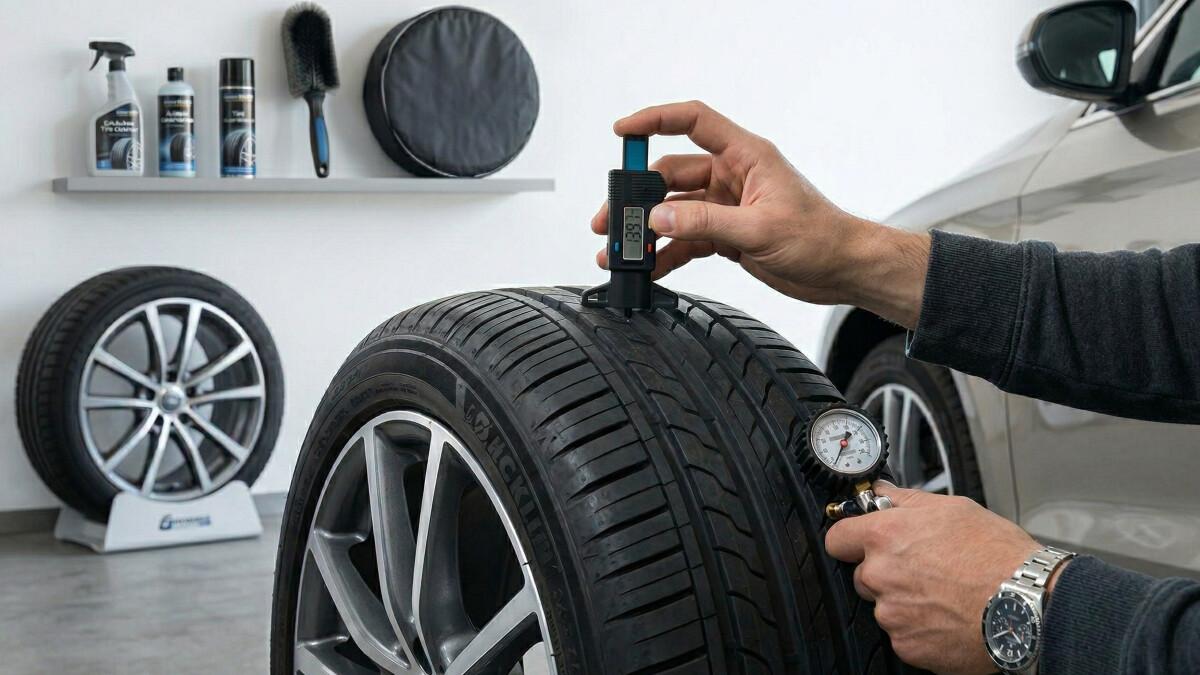
Inspect the tread and sidewalls where visible. Look for uneven shoulders, unusual wear patterns, bulges, cuts and embedded objects. Do not remove a nail or screw just to investigate a puncture, because doing so can cause a tyre to lose air rapidly. A tyre professional should determine whether a repair is safe and permitted for the location and type of damage.
Tyre rotation, replacement or matching requirements depend on the vehicle, tyre type and manufacturer's recommendations. Replacing one tyre without considering tread depth and the vehicle's drivetrain requirements may not be appropriate in every case.
4. Could a Brake Problem Make the Car Pull?
If the vehicle pulls mainly when you press the brake pedal, a brake-system issue should be considered. Unequal braking force, a sticking caliper, restricted hydraulic operation or uneven pad and rotor condition can contribute to pulling or instability. Other faults can create similar symptoms, so the complete system needs inspection.
A sticking caliper may also cause a wheel to become unusually hot, a burning smell, uneven brake-pad wear or a dragging sensation. If you notice smoke, strong heat, severe pulling or a change in pedal response, stop somewhere safe and arrange assistance. Never touch hot brake components or continue driving a vehicle with compromised braking.
Where brake symptoms are present, an alignment-only appointment may miss the underlying problem. Read about our brake caliper replacement service for relevant brake information, and arrange an inspection to determine whether the fault is in the brakes, tyres, suspension or alignment.
5. Could Suspension or Steering Components Be Worn?
Suspension and steering components help keep the wheels correctly positioned and allow the vehicle to respond predictably. Worn bushes, damaged ball joints, steering-linkage problems, a bent component or a wheel bearing fault can affect directional stability. Some faults may also produce knocking, clunking, looseness or uneven tyre wear.
If the car began pulling after hitting a pothole or kerb, mention the impact when arranging an inspection. A visual check may identify obvious damage, but some faults require the vehicle to be raised and components examined under the correct conditions. Alignment readings alone may not reveal every mechanical problem.
Do not ignore a loose steering feel, severe knocking or a sudden change in handling. These symptoms can indicate a safety-related fault that needs prompt assessment.
6. What If the Car Pulls Only While Accelerating?
Pulling that appears mainly under acceleration can have causes beyond basic wheel alignment. Depending on the vehicle, possibilities include drivetrain-related torque effects, worn engine or transmission mounts, unequal tyre grip, suspension movement or a mechanical fault. Front-wheel-drive vehicles can sometimes exhibit torque steer under certain conditions, but a new or severe symptom should not automatically be considered normal.
Make a note of when the pull happens, whether it occurs under light or heavy acceleration, and whether there are noises or vibrations. Do not repeatedly accelerate hard or perform unsafe road tests to reproduce the problem. Provide these observations to the technician so the vehicle can be assessed safely.
Quick Symptom Guide: Alignment, Tyres, Brakes or Suspension?
| What you notice | Possible area to investigate | Important next step |
|---|---|---|
| Steering wheel sits off-centre | Wheel alignment or steering/suspension geometry | Inspect components and check alignment against specifications. |
| One tyre is visibly low | Pressure loss, puncture or valve issue | Check pressure safely and inspect the tyre before driving further. |
| Pulling mainly during braking | Brake force imbalance or related brake fault | Arrange a brake-system inspection. |
| Uneven tyre tread wear | Alignment, inflation, suspension or tyre condition | Inspect tyres and mechanical components before adjustments. |
| Pulling began after a pothole or kerb impact | Tyre, wheel, alignment or suspension damage | Check for damage and avoid driving if handling is unsafe. |
| Knocking or loose steering with pulling | Steering or suspension components | Arrange prompt professional assessment. |
| Pulling with a hot wheel or burning smell | Possible dragging brake or another overheating fault | Stop safely and arrange assistance. |
This table is a symptom guide rather than a diagnosis. Several faults can occur together—for example, worn suspension may affect alignment, while uneven tyre wear may remain even after the alignment is corrected.
Wheel Alignment vs Wheel Balancing: Are They the Same?
No. Wheel alignment concerns wheel angles and suspension geometry. Wheel balancing addresses the distribution of mass around a wheel and tyre assembly to reduce vibration as it rotates. An imbalance more commonly produces vibration at certain speeds than a consistent pull to one side, although symptoms can overlap with other faults.
A technician should identify the actual complaint before recommending alignment, balancing or replacement tyres. If the vehicle pulls, inspect pressures and tyre condition, then consider alignment, steering, suspension and brake checks according to the symptoms.
What Does a Wheel Alignment Check Involve?
A typical alignment assessment starts with checking tyre pressures, tyre condition and relevant suspension components. The technician then uses suitable alignment equipment to measure the vehicle's wheel angles and compare them with the correct specifications. Depending on the findings, adjustments may be made where the design permits.
If the readings cannot be brought within specification, there may be worn or damaged parts, previous collision damage or another mechanical issue. A quality assessment should explain the readings, any recommended repairs and whether a follow-up alignment is needed after parts are replaced.
When Should You Get Your Car Checked?
Arrange an inspection if the car persistently drifts, the steering wheel sits off-centre, tyre wear becomes uneven or the vehicle's handling changes after an impact. Seek prompt help for sudden or severe pulling, a damaged tyre, unusual brake heat, smoke, significant steering looseness or reduced braking performance.
When booking, describe whether the pull occurs during normal driving, braking or acceleration. Mention recent pothole impacts, tyre changes, suspension work and any dashboard warnings. These details help the technician decide which systems should be checked first.
Wheel and Steering Checks Around Wyndham Vale and Melbourne's West
Drivers in Wyndham Vale, Tarneit, Eynesbury and nearby areas should not assume every directional problem is an alignment issue. Tyre pressure, tyre condition, steering and suspension wear, and brake faults can all affect how a vehicle behaves. The appropriate inspection depends on the symptoms and vehicle.
Explore our mechanic services or book a service to discuss the symptoms and ask about available inspection options.
Frequently Asked Questions
Why does my car pull to one side when driving?
Possible causes include unequal tyre pressure, tyre damage or wear, wheel alignment, steering or suspension faults and road conditions. A professional inspection can distinguish between these possibilities.
Will wheel alignment fix a car that pulls to one side?
It may help if incorrect alignment is the cause and the suspension and steering components are serviceable. If the problem comes from a damaged tyre, brake fault or worn component, alignment alone may not solve it.
Why does my car pull to one side when braking?
Unequal braking force or a sticking caliper can contribute, but other brake, tyre and suspension problems can also cause the symptom. Because it can affect control, arrange an inspection promptly, especially if the pull is sudden or severe.
Can low tyre pressure cause pulling?
Yes. Unequal pressure can affect handling and directional behaviour. Check pressures against the vehicle manufacturer's recommended values and inspect for damage or a puncture before continuing to drive on a suspect tyre.
What is the difference between wheel alignment and balancing?
Alignment checks wheel angles and suspension geometry. Balancing corrects uneven mass distribution in a wheel and tyre assembly, which can cause vibration. The correct service depends on the symptoms and inspection findings.
Should I drive if my car suddenly starts pulling strongly?
Do not continue a journey if the vehicle feels unsafe to control. Slow down carefully, stop somewhere safe and arrange assistance, particularly if a tyre appears damaged or braking or steering performance has changed.
Can worn suspension cause uneven tyre wear?
Yes. Worn or damaged suspension and steering components can affect wheel geometry and tyre contact. The underlying component should be assessed before relying on an alignment adjustment alone.