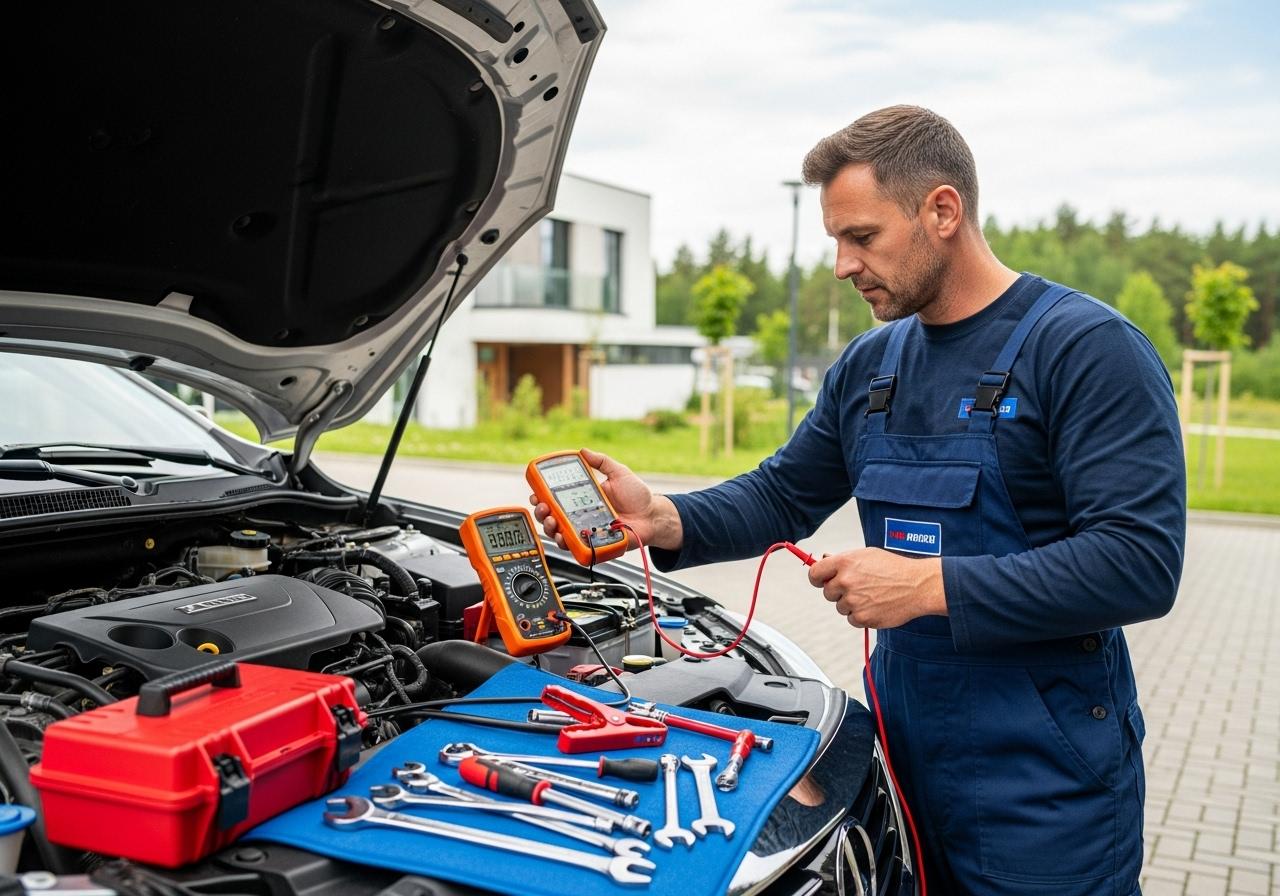
A car battery can seem perfectly healthy one day and struggle to start your vehicle the next. If your battery is getting older, the engine cranks slowly or you have recently needed a jump start, it may be time for a car battery check. Finding a developing problem early can help you plan the next step instead of discovering a flat battery when you need to leave.
There is no single lifespan that applies to every car battery. Battery type, temperature, driving habits, electrical demand and charging-system condition all influence how long it remains reliable. Melbourne's changing weather and everyday driving patterns can contribute to battery wear, but age alone cannot confirm whether a battery needs replacement.
This guide explains how battery lifespan varies, which warning signs deserve attention, what you can safely inspect at home and how professional testing can help you decide whether to recharge or replace your battery.
How long should a car battery last?
Many conventional car batteries last several years, but actual service life varies considerably. Some batteries deteriorate earlier because of repeated deep discharge, heat, frequent short trips or electrical faults. Others last longer when the vehicle is used appropriately and its charging system is working correctly.
Rather than relying on a fixed number of years, consider the battery's age alongside its performance. Slow cranking, repeated flat-battery incidents and an unsuccessful health test are stronger reasons to investigate than age alone. A relatively old battery may still work, while a newer battery can become discharged or fail because of an underlying problem.
Check the battery label, purchase invoice or service records if you are unsure how old it is. If the battery is ageing and you depend on the car every day, arranging a test before it fails completely may help you plan a replacement at a convenient time.
What affects car battery life in Melbourne?
Temperature changes
Battery performance and ageing are affected by temperature. Heat can accelerate battery deterioration, while cold conditions can make it harder for a weakened battery to start an engine. The effect depends on the battery and vehicle, so local weather should be considered alongside the battery's age and condition rather than treated as the only cause of failure.
Short trips and infrequent driving
Starting the engine uses battery energy. If most journeys are very short, the charging system may not have enough time to replenish what was used. A vehicle left parked for long periods can also lose charge over time. If the car is used infrequently, ask a professional about suitable battery maintenance for your vehicle.
Electrical accessories
Dash cameras, accessories, interior lights and other electrical loads can contribute to battery discharge if they remain active when the vehicle is switched off. A persistent electrical drain may require diagnosis. Simply installing a new battery will not necessarily resolve a component that continues drawing power when it should be inactive.
Battery type and vehicle requirements
Battery technology, capacity and the vehicle's electrical demands affect performance. Some modern vehicles use AGM or EFB batteries and may require specific replacement procedures. Always check the manufacturer's specification rather than selecting a battery based only on physical size or price.
Charging-system condition
A battery that is not being charged correctly may repeatedly become flat. An alternator fault, damaged wiring or poor connections can create symptoms that look like battery failure. If the battery warning light appears while driving or the vehicle develops electrical problems, have the cause assessed rather than assuming the battery alone is responsible.
Seven signs your car battery needs checking
- Slow engine cranking: the starter turns the engine more slowly than usual.
- Repeated flat batteries: you need jump starts more than once or the battery loses charge after being recharged.
- Dim lights during starting: lighting may dim when the starter is engaged.
- Electrical resets: the clock or infotainment system resets unexpectedly.
- Battery or charging warning light: a warning appears and needs investigation according to the owner's manual.
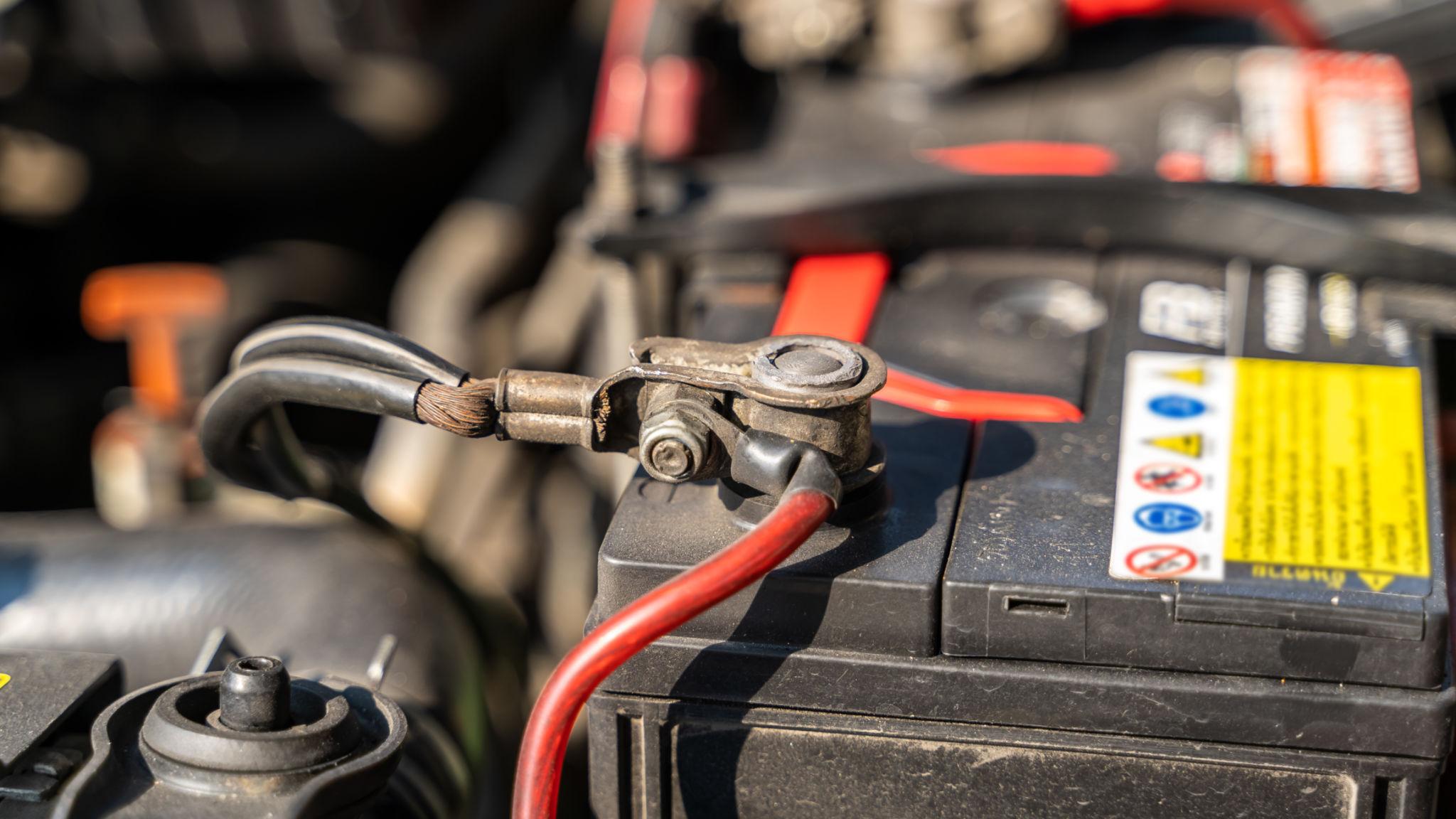
- Visible damage: the battery case is swollen, cracked or leaking.
- Age combined with changing performance: an older battery begins showing unreliable starting symptoms.
These signs are clues, not proof that the battery itself has failed. A battery warning light can indicate a charging-system problem, while slow cranking can also result from a starter-motor or connection fault. A proper test helps narrow down the cause and reduces the risk of replacing a component unnecessarily.
How to check your car battery at home safely
You can make a few basic observations without removing the battery or working on electrical components. Park safely, switch the vehicle off and follow the owner's manual. Do not touch or test a battery that appears damaged, swollen or to be leaking.
Step 1: Check the age and service history
Look for a purchase record, battery label or service invoice and note when the battery was installed. The date is useful context, but it does not tell you the battery's remaining capacity. Combine the age with starting performance and any history of repeated discharge.
Step 2: Look for visible damage
With the engine switched off, look for a cracked or swollen case, leakage or obvious damage around the battery. Do not touch leaking material, bridge terminals with tools or attempt to clean a damaged battery. If anything looks unsafe, keep clear and arrange professional help.
Step 3: Notice how the engine starts
Pay attention to whether the engine starts normally, cranks slowly or clicks. Avoid repeatedly trying to start the engine if it will not start, because repeated attempts can further discharge the battery. Record the symptoms so you can explain them accurately when requesting assistance.
Step 4: Observe dashboard warnings
Note any battery or charging-system warning lights and follow the vehicle manufacturer's guidance. Do not assume a jump start or battery replacement alone will resolve a warning. If a charging warning appears while driving, consult the owner's manual and seek professional advice about whether it is safe to continue.
Step 5: Arrange a proper battery test
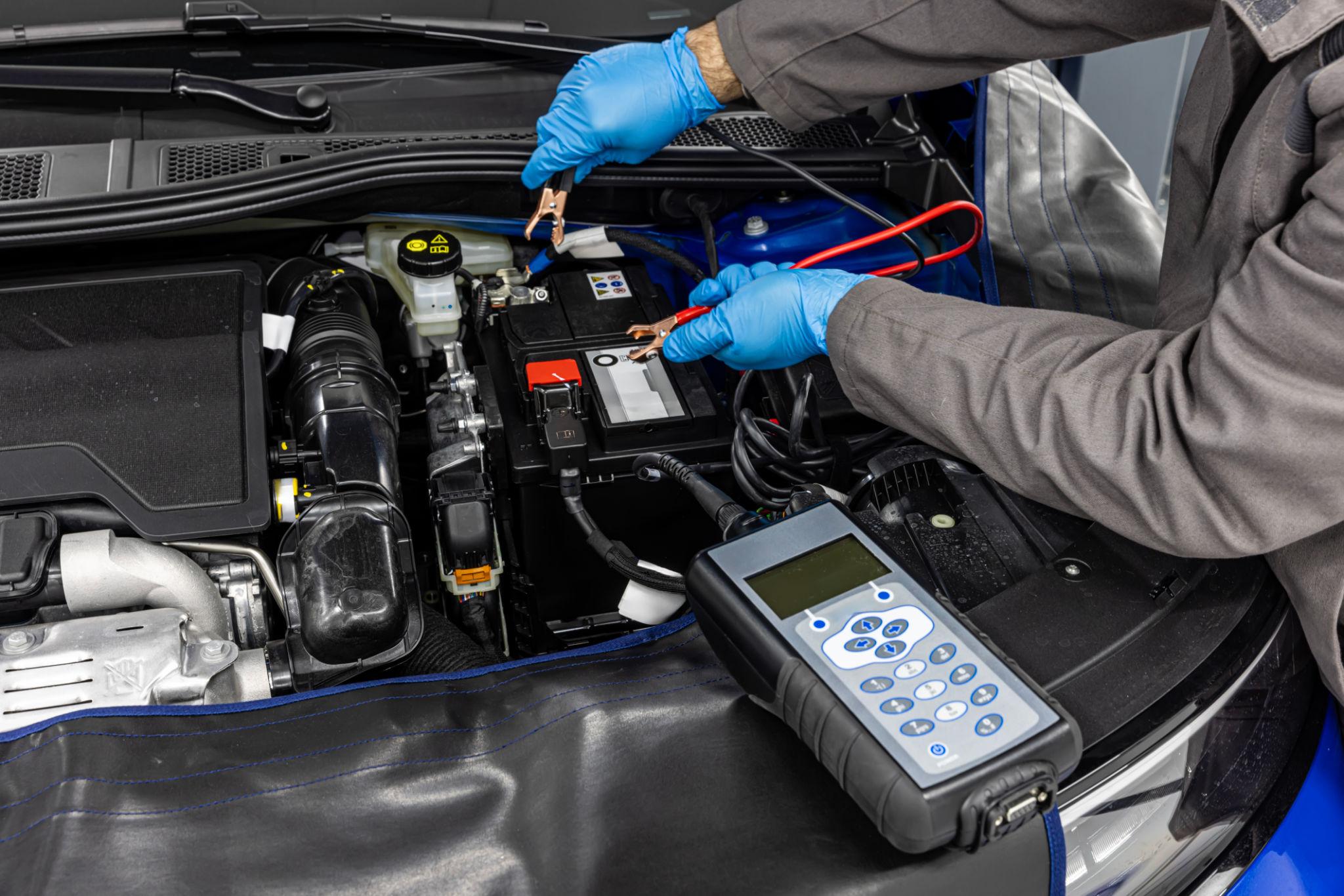
A visual inspection cannot confirm battery health. A suitable tester can assess condition and starting performance. Depending on the symptoms, a mechanic may also check charging output, connections and possible electrical drains. These checks are especially useful when the battery keeps going flat after charging or replacement.
Can you test a car battery with a multimeter?
A multimeter can measure battery voltage, but a voltage reading alone does not prove that a battery can deliver enough current to start the engine. Readings are affected by the battery's state of charge, recent driving or charging, temperature and other conditions. A battery can show a reasonable resting voltage and still perform poorly under starting load.
If you already know how to use a multimeter safely, follow the instrument and vehicle manufacturer's instructions. Do not short the terminals, allow tools to bridge positive and negative connections or attempt tests you are unfamiliar with. A suitable load or conductance test may be needed to assess starting ability more reliably.
If the battery is damaged, leaking or swollen, do not attempt home testing. Ask a qualified mechanic to assess it.
Battery voltage: what does a reading tell you?
For a conventional 12-volt lead-acid battery, a resting voltage measurement can offer a rough indication of state of charge when taken under suitable conditions. However, the interpretation depends on battery type, temperature, recent charging and other factors. A single reading should not be treated as a complete battery-health diagnosis.
A normal-looking resting voltage does not necessarily mean the battery is healthy. A weak battery may show reasonable voltage but fail under starting load, while a discharged battery may be recoverable if it has not been damaged. The result should be considered alongside the battery's condition, vehicle symptoms and an appropriate test.
Should you recharge or replace the battery?
If the battery has simply discharged and passes an appropriate health test, recharging it may be suitable. If it fails testing, has physical damage or cannot hold charge, replacement may be recommended. A battery that repeatedly goes flat should also prompt checks for an underlying charging fault or electrical drain.
Before buying a replacement, confirm the required battery type, dimensions, capacity and terminal arrangement for your vehicle. Some models require AGM or EFB technology, battery registration or other electronic procedures after installation. Using an incompatible battery may lead to performance or system issues.
When should you arrange professional battery testing?
Consider a professional car battery check if the engine is slow to crank, the battery repeatedly goes flat, electrical systems reset unexpectedly or the battery is ageing and you rely on the car daily. Testing is also sensible before replacing a battery when the cause of the problem is unclear.
For drivers in Melbourne's west, including Eynesbury and surrounding areas, availability depends on the vehicle and service coverage. Explore car battery testing and replacement options to discuss your symptoms and the appropriate next step. You can also review other available mechanic services or request a service booking.
Call +61 406 396 397 or email infomechanicnearyou@gmail.com. Include your vehicle make, model, approximate battery age, location and the symptoms you have noticed.
How to help your battery last longer
- Make sure lights and accessories are switched off when the vehicle is parked.
- Address repeated flat-battery incidents instead of relying on frequent jump starts.
- Follow the manufacturer's maintenance recommendations for your vehicle and battery type.
- Ask for charging-system checks if a battery repeatedly loses charge.
- Have an ageing battery tested if starting performance changes.
- Use the battery specification recommended for your vehicle when replacement is necessary.
No maintenance routine can guarantee a particular battery lifespan, but identifying discharge problems and using the correct battery can help reduce avoidable issues.
Frequently asked questions
How long do car batteries usually last?
Car battery life varies with battery type, temperature, driving habits, electrical demand and charging-system condition. Check the battery's age and performance, and arrange a test if starting becomes unreliable.
How do I know if my car battery is failing?
Slow cranking, repeated flat batteries, dim lights during starting and unexpected electrical resets can be warning signs. These symptoms can also have other causes, so testing is important.
Can I check my car battery at home?
You can safely check service records, observe starting behaviour and look for visible damage without touching the battery. Do not handle a damaged battery or attempt electrical tests you are not familiar with.
Can a multimeter tell me whether my battery is healthy?
A multimeter measures voltage, but voltage alone does not confirm starting performance or remaining battery capacity. A suitable battery health test may be needed.
Why does my battery keep going flat?
Possible causes include an ageing battery, short trips, lights left on, electrical drain, poor connections or a charging-system fault. Testing can help identify the cause.
Should I replace an old battery before it fails?
Consider testing an ageing battery, especially if starting performance has changed or you depend on the vehicle daily. Replacement should be based on its condition, test results and vehicle requirements.
Can a mobile mechanic test and replace my battery?
Depending on your location, vehicle and the provider's equipment, mobile battery testing or replacement may be available. Some faults require more extensive workshop diagnosis.