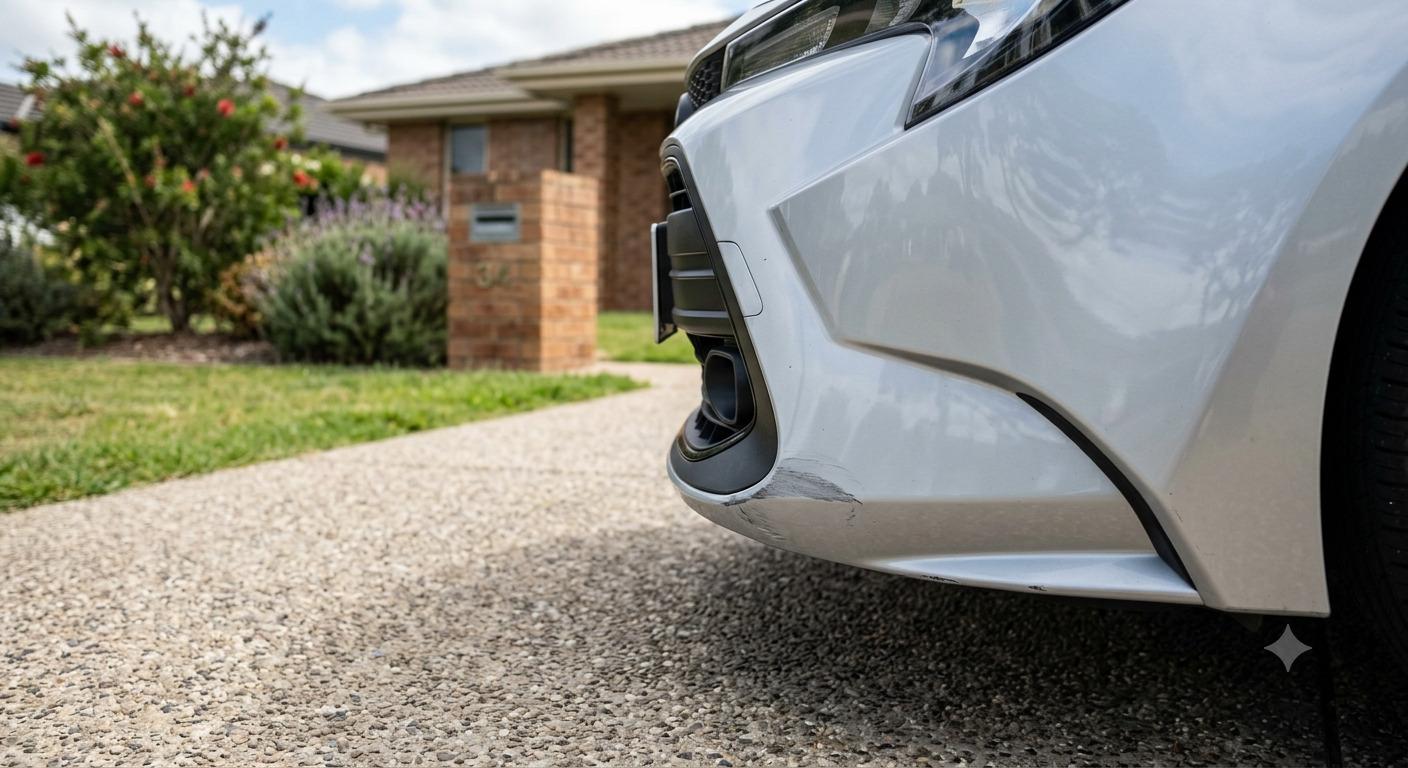
A scraped bumper or loose trim can look worse than it is, but visible damage does not always tell the whole story. A light scuff may need cosmetic attention; a cracked bumper, broken mounting tabs, damaged sensors or distorted panel may need more involved work. Choosing between mobile repair, a body shop and an insurance claim starts with understanding the damage and the outcome you need.
This guide compares options and cost factors. It is general information, not a guarantee of what can be repaired on-site. For a vehicle-specific discussion, see our bumper repair service or request a booking.
What kind of bumper damage do you have?
Surface scuffs and paint transfer
Light marks may be limited to paint transfer or surface scratches. Some can improve with suitable cleaning or polishing, while scratches through the paint may need refinishing. Photos help describe damage but lighting can hide its depth.
Scratches through the paint
If a scratch exposes primer or plastic, polishing alone may not restore the finish. Preparation, colour matching and painting may be needed depending on depth, location, material and finish.
Cracks, splits or deformation
A cracked or deformed bumper may need plastic repair, replacement or further inspection. The outer cover can conceal damaged brackets or mounting points. Cosmetic work is not enough if the bumper is insecure.
Loose trim, clips or undertray
Loose trim can result from broken clips, missing fasteners or damaged tabs. Reattaching a sound component may be straightforward, but a temporary push or adhesive patch may not hold if mounts are broken or the panel is under tension.
Damage near sensors or cameras
Bumpers may contain parking sensors, cameras and wiring. Damage or repairs in these areas can require electrical checks or manufacturer-specified calibration. A sensor is not proven to work simply because it looks intact.
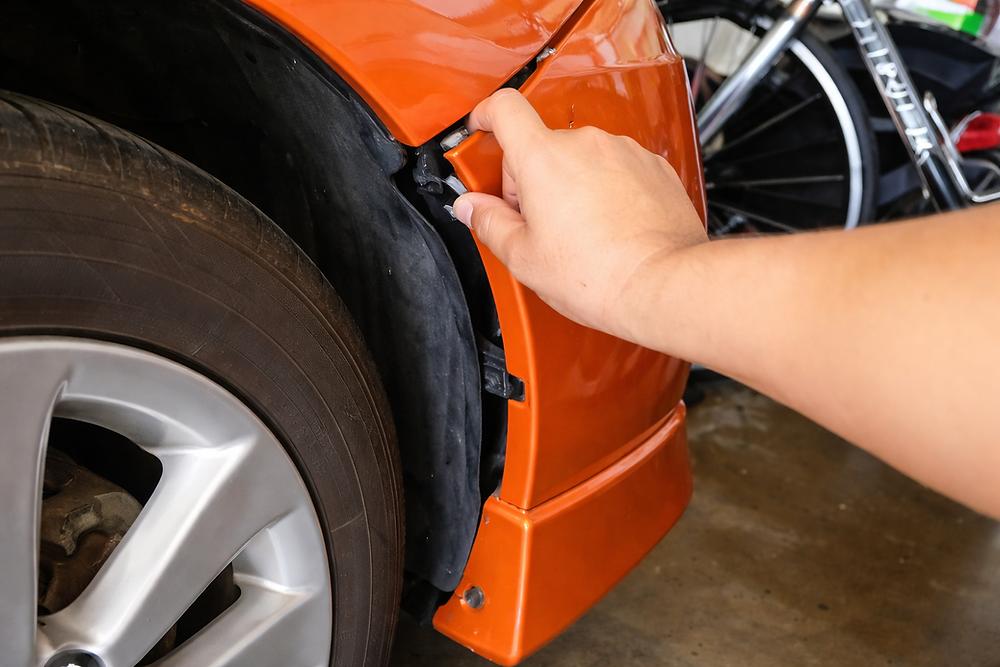
Can a mobile mechanic repair bumper scuffs or loose trim?
It depends on the task. A mobile provider may inspect damage, secure certain loose components or complete suitable minor work when equipment, parts and location allow. Professional paint refinishing, substantial plastic repair, complex assembly replacement or controlled spray-painting may be better suited to a body repair facility.
Be specific about what you mean by bumper repair. Reattaching trim is different from repainting a large panel or repairing a crack. Share photos from several angles and confirm the exact scope before booking.
Mobile repair vs body shop
| Damage type | Option to discuss | Key check |
|---|---|---|
| Light surface scuff or paint transfer | Cleaning, polishing or minor cosmetic treatment | Confirm whether the mark is only on the surface |
| Scratch through paint | Preparation and refinishing | Ask about colour matching and finish expectations |
| Loose trim or undertray | Refit or replace clips/fasteners if mounts are sound | Inspect tabs, brackets and panel gaps |
| Crack, deformation or insecure bumper | Body repair or replacement assessment | Check hidden mounts and impact damage |
| Damage near sensors or cameras | Repair with suitable electronic checks | Confirm required diagnostics or calibration |
Mobile repair or body shop?
| Comparison point | Mobile service may suit | Body shop may suit |
|---|---|---|
| Minor loose trim | When access, fasteners and work conditions allow | If hidden damage or extensive dismantling is suspected |
| Light scuff | Assessment or limited suitable work | When controlled refinishing and colour matching are required |
| Crack / distorted cover | Initial assessment may help identify scope | Often better for structural plastic repair or panel refinishing |
| Sensor / camera area | Only if the provider has suitable capability | When specialist equipment or calibration is required |
What affects bumper repair cost?
There is no single price for every repair. The quote may depend on:
- Size and depth: surface marks differ from cracks or deformed panels.
- Repair versus replacement: the damage may make one option more appropriate.
- Paint and colour matching: metallic and multi-stage finishes can need additional work.
- Removal and refitting: access to clips, brackets and sensors affects labour.
- Hidden damage: impacts can affect mounts behind the cover.
- Electronic systems: sensors or cameras may require checks or calibration.
- Work environment: mobile cosmetic work and workshop refinishing need different equipment.
Ask for a written estimate describing the repair method and expected finish. Check whether removal/refitting, paint, clips, sensor checks and possible extra work are included. A photo-based estimate may change after inspection.
Compare insurance with paying directly
| Insurance decision check | What to compare | Why it matters |
|---|---|---|
| Repair estimate | Written scope, parts, labour, paint and extras | A headline estimate may not include the complete repair |
| Policy excess | Excess amount against the confirmed repair cost | You may pay a substantial share of a small claim yourself |
| Policy and claim terms | Coverage, approved repairer rules and reporting steps | Terms and consequences vary by insurer and policy |
| Hidden damage risk | Whether inspection is required before approval | A photo quote may change once clips, mounts or sensors are inspected |
Should you claim insurance?
Compare the confirmed estimate with your policy excess and review policy terms, claim process and potential implications. Coverage depends on the policy and circumstances; do not assume cosmetic damage is automatically covered or that a claim is always worthwhile.
If another vehicle or person was involved, follow your insurer’s reporting instructions and keep relevant details, photos and correspondence. Ask whether an assessment is required before authorising repairs, so you understand the process before work begins.
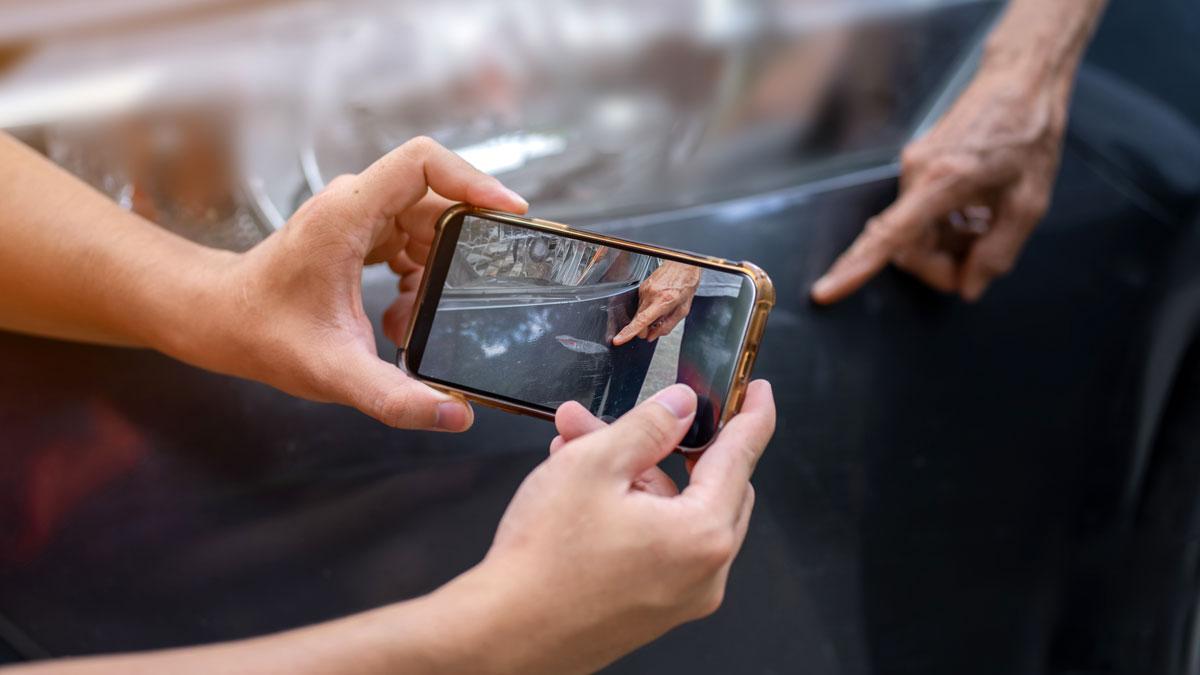
Document the damage before requesting quotes
- Take clear close-ups and wider photos showing the whole bumper.
- Photograph cracks, loose trim, broken clips and gaps between panels.
- Note when the damage occurred and whether there was a collision.
- Report any sensor, camera, light or warning-message issue.
- Do not pull hard on loose parts or force a cracked bumper into place.
- Ask each repairer to quote on the same scope.
Photos may not reveal damage behind the bumper cover or prove whether a sensor needs attention.
Is loose bumper trim safe to drive with?
A loose panel can catch airflow, detach or interfere with a wheel, lamp or sensor. If the bumper hangs down, has sharp edges, obstructs a light or may detach, arrange assessment and avoid driving if the vehicle is unsafe. Temporary tape is not a substitute for a secure repair when a part could come loose in traffic.
Questions to ask before approving work
- Is the damage cosmetic, or could mounts or other parts be affected?
- Can the part be repaired or is replacement more appropriate—and why?
- Does the quote include paint preparation and colour matching?
- Will sensors, cameras or lights need checking or calibration?
- What parts and labour are included, and what could change the estimate?
- Will you obtain approval before extra work?
A sound recommendation should explain what can and cannot be confirmed from photos alone. If a body shop is required, that may be the safer and more effective option than attempting work in unsuitable conditions.
A practical decision process
- Check safety first. Do not treat loose or sharp components as cosmetic.
- Document the damage. Take photos and note any sensor warnings.
- Get the right assessment. Confirm whether mobile work or a body shop is suitable.
- Obtain a written quote. Compare the same scope and finish.
- Review insurance terms. Compare the quote with your excess and follow insurer instructions.
- Approve the repair method. Understand the expected result and limitations.
Get the damage assessed
A scuff, loose trim and cracked bumper are different jobs. The right option depends on the material, damage, finish, hidden components and sensors. Compare what each quote actually includes, not just the headline price. Visit our bumper repair service or request a booking.
Frequently asked questions
Can a mobile mechanic fix a bumper scuff?
Some minor work may suit a mobile service, but proper paint refinishing or larger repairs may require a body shop and controlled painting conditions. Confirm the scope first.
Is it cheaper to repair a bumper or replace it?
It depends on the material, damage size and location, paint requirements and whether mounts or sensors are affected. An inspection is needed to compare options.
Should I claim insurance for bumper damage?
Compare the estimate with your policy excess and review policy terms, claim process and possible implications. Coverage depends on your policy and circumstances.
Can loose bumper trim be clipped back on?
Sometimes, if clips and mounting points are intact. Broken tabs or a distorted panel may need replacement parts or further repair.
Can I drive with a cracked bumper?
It depends on whether it is secure and whether damage creates sharp edges, obstructs lights or sensors, or could detach. If unsafe, do not drive until assessed.
Do parking sensors need calibration after bumper repair?
Some vehicles require system checks or calibration depending on the sensors, cameras and repair. Confirm the manufacturer’s requirements.
Can a bumper scratch be polished out?
Some surface marks or paint transfer may improve with suitable treatment, but scratches through the paint usually need more than polishing.
What photos should I send for a bumper repair quote?
Send close-ups and wider photos of the full bumper and panel gaps. Mention loose trim, cracks, warnings or impact history; an in-person inspection may still be needed.