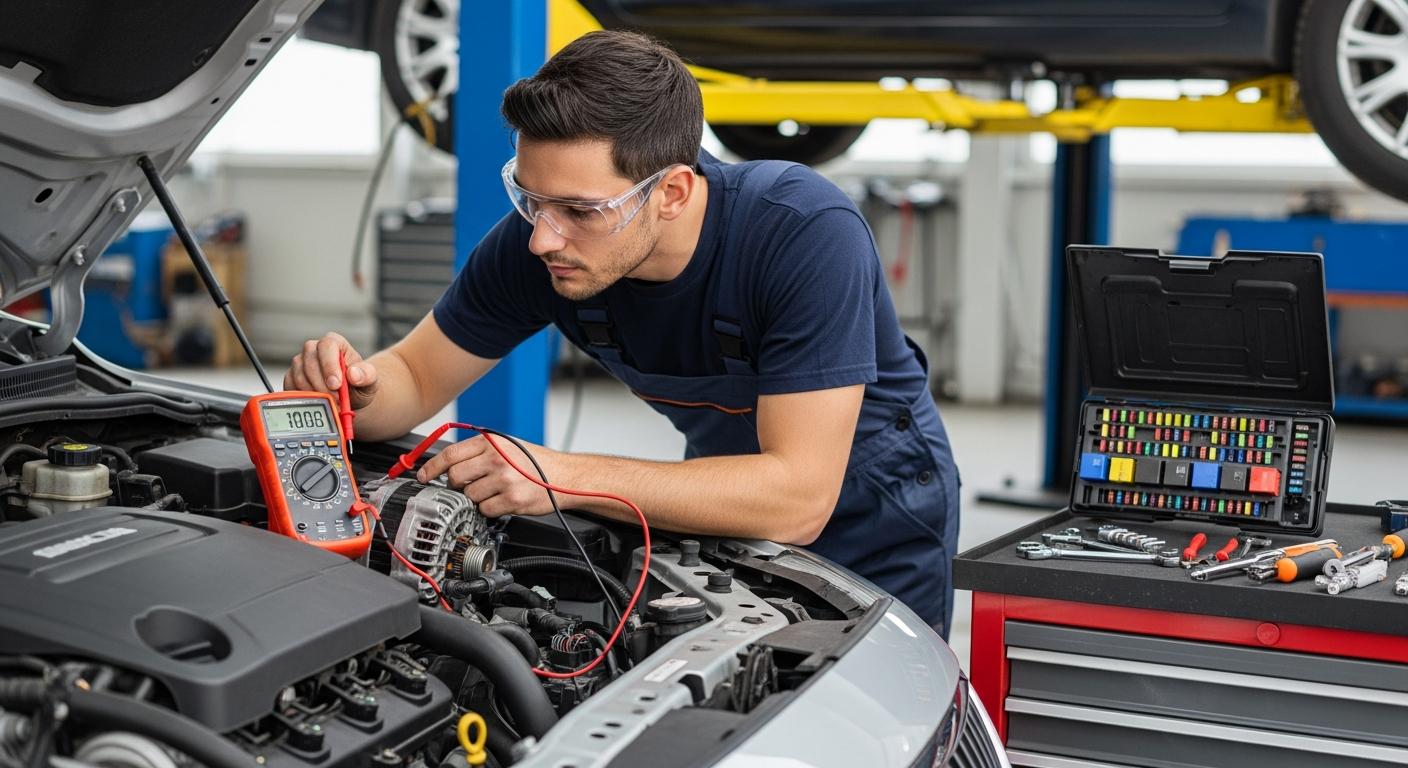
When your car struggles to start, the dashboard lights flicker or the battery warning light appears, it is natural to wonder whether the battery or alternator is failing. Both components are essential to your vehicle's electrical system, and their symptoms can overlap. Replacing the wrong part can waste money without fixing the original problem.
This guide explains the difference between a weak battery and a faulty alternator, the warning signs to look for, and the checks that can help identify the cause. If your vehicle has stopped starting or the battery warning light comes on while driving, take the symptoms seriously rather than assuming a jump-start will solve everything.
What Is the Difference Between a Car Battery and an Alternator?
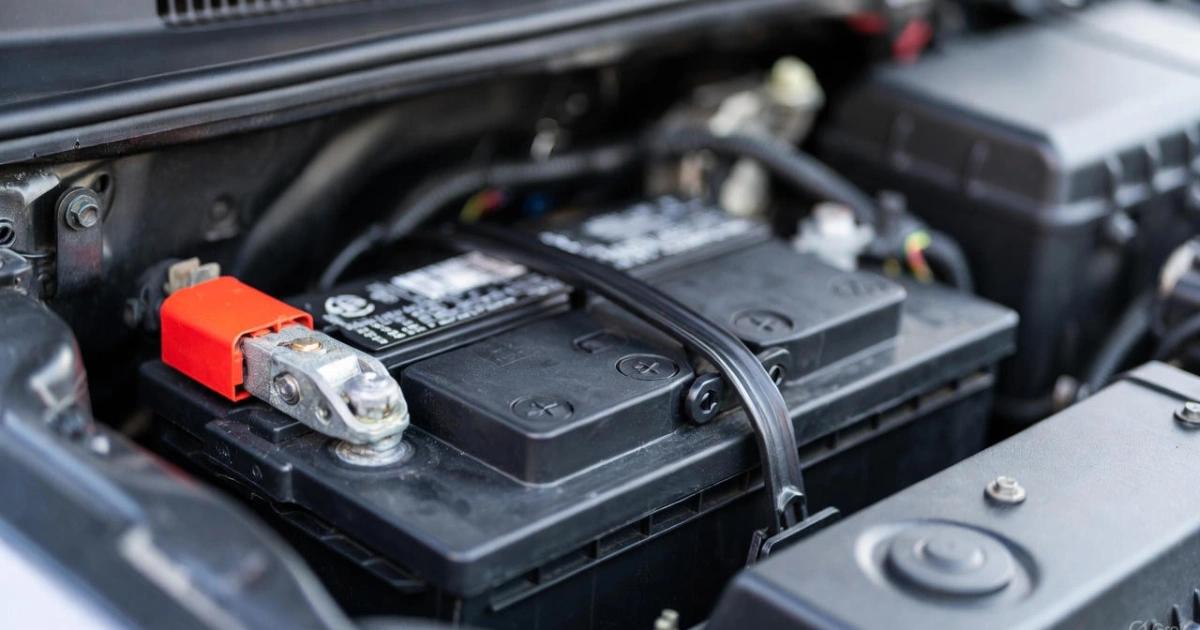
The battery stores electrical energy and supplies the power needed to start the engine. It also supports electrical systems when the engine is off and helps stabilise the vehicle's electrical supply. A discharged, worn or internally damaged battery may not provide enough power to crank the engine.
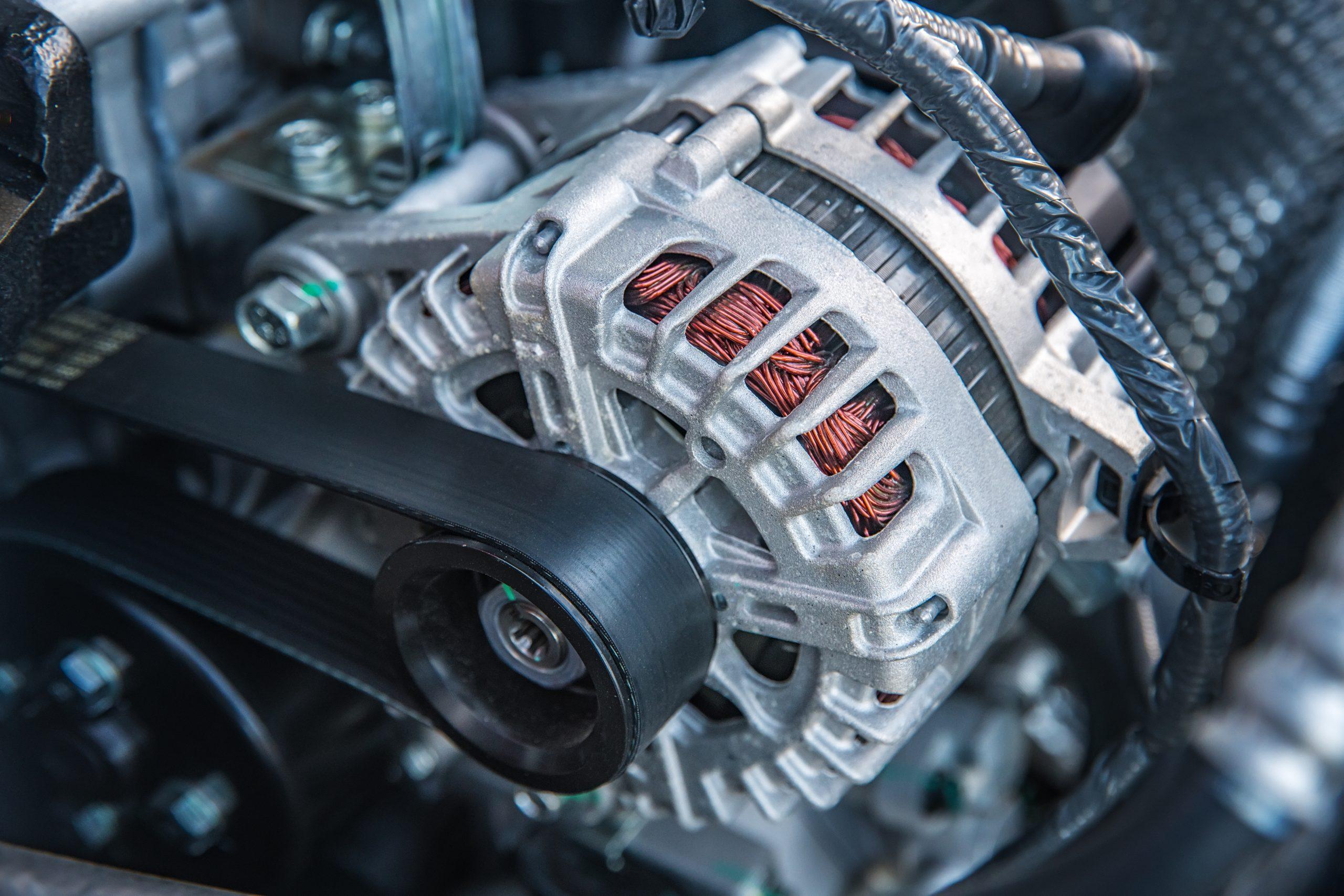
The alternator generates electrical power while the engine is running. It supplies the vehicle's electrical systems and replenishes the battery. If the alternator stops charging correctly, the vehicle may continue running temporarily on the remaining battery power, then develop electrical faults or eventually stall.
In simple terms, the battery helps start the car, while the alternator helps keep the electrical system powered and the battery charged after starting. However, wiring faults, poor earth connections, damaged terminals, belt problems and other charging-system faults can create similar symptoms. Proper testing is important before replacing either component.
Signs the Battery May Be the Problem
A weak battery often causes trouble when you first try to start the vehicle. You may hear a slow, laboured crank, rapid clicking or nothing at all. Interior lights and dashboard displays may become dim during starting, and the vehicle may start after a jump-start but struggle again after being parked.
- Slow engine cranking: The starter turns the engine more slowly than usual.
- Clicking when starting: The starter solenoid may click because insufficient current is available, although other faults can also cause this.
- Repeated flat-battery episodes: The battery may be ageing, damaged or not being charged adequately.
- Electrical accessories behaving strangely: Low voltage can affect displays, central locking and other electrical features.
- A battery that will not hold charge: A battery test may show that the unit has lost capacity or has an internal fault.
Age can be a useful clue, but it is not a diagnosis. Heat, driving patterns, repeated deep discharge and the vehicle's electrical demands all affect battery life. A relatively new battery can also go flat if the charging system is faulty or the vehicle has an electrical drain while parked.
Signs the Alternator or Charging System May Be Failing
An alternator problem may appear while the engine is already running. The battery warning light may illuminate, headlights may become unusually dim or fluctuate, and electrical accessories may behave inconsistently. Some vehicles may also display charging-system warnings or other low-voltage messages.
- Battery warning light: This can indicate a charging-system issue, not simply a battery that needs replacing.
- Lights dimming while driving: Low or unstable system voltage may affect headlights and dashboard lighting.
- Repeatedly flat battery: A battery can discharge again if the alternator is not replenishing it properly.
- Unusual belt noise: A slipping, damaged or incorrectly tensioned drive belt may affect alternator operation on vehicles that use a belt-driven alternator.
- Engine stalling or electrical shutdown: Severe charging failure can eventually leave the vehicle without enough electrical power.
Noise, burning smells or warning lights can also have causes unrelated to the alternator itself. The charging circuit, wiring, belt drive, connectors and battery condition should be checked together before a repair is recommended.
Battery vs Alternator: Quick Symptom Comparison
| Symptom | Possible battery issue | Possible alternator or charging issue |
|---|---|---|
| Slow or failed starting | Common | Possible if the battery has become discharged |
| Car starts after a jump-start | Possible | Also possible; the battery may not recharge properly afterwards |
| Battery warning light while driving | Does not diagnose the battery alone | Important charging-system warning |
| Lights dim while driving | Possible with low system voltage | Possible with inadequate or unstable charging |
| Battery repeatedly goes flat overnight | Possible | Possible, but a parasitic electrical drain must also be considered |
| New battery fails to solve the issue | Battery may be incorrect or faulty | Charging fault, wiring issue or electrical drain may remain |
This comparison is a starting point, not a definitive diagnosis. Several faults can exist at the same time, especially if a battery has been repeatedly discharged by a charging-system problem.
Can You Check the Battery and Alternator at Home?
You can carry out a few basic visual checks if the vehicle is parked safely and the engine is switched off. Look for loose or visibly corroded battery terminals, obvious cable damage and a battery case that appears swollen or cracked. Do not touch a battery that is leaking, damaged, unusually hot or producing a strong chemical smell. Arrange professional assistance instead.
If you have a suitable multimeter and know how to use it safely, a resting-voltage reading may provide a rough indication of battery charge. A reading by itself cannot reliably establish battery health, available cranking power or alternator performance. Modern smart-charging systems can also vary charging voltage according to operating conditions, so a single voltage reading can be misleading.
Avoid placing tools across battery terminals, disconnecting the battery while the engine is running or working near moving belts and fans. Incorrect testing can cause injury or damage sensitive vehicle electronics. A proper assessment normally combines battery condition testing, charging-system checks and inspection of connections and relevant wiring.
Why a Jump-Start Is Not Always the Answer
A jump-start may help a vehicle start when the battery is discharged and the battery and charging system are otherwise serviceable. It does not repair a worn-out battery, failed alternator, damaged wiring or electrical drain. If the vehicle starts after a jump but the battery warning light stays on, the lights remain dim or the engine begins to run poorly, do not assume the issue is resolved.
Follow the vehicle manufacturer's jump-start instructions and use suitable equipment. Do not attempt to jump-start a visibly damaged, leaking, swollen or frozen battery. If you are unsure about the procedure or suspect a charging-system fault, professional assistance is the safer option.
What Does Alternator Replacement Involve?
Alternator replacement generally involves confirming the fault, checking the drive belt and electrical connections, removing the old unit and fitting a compatible replacement. The technician should then verify charging operation and check whether the battery has been affected by the fault. The exact process varies by make, model, engine layout and access to the component.
Not every charging fault requires a new alternator. A damaged cable, poor connection, belt problem or another component may be responsible. Testing first helps avoid replacing a part unnecessarily. Learn more about our alternator replacement service.
What Affects the Cost of Battery or Alternator Repairs?
The cost depends on the actual fault and the vehicle. Battery prices vary with battery type, capacity, technology and vehicle requirements. Alternator replacement costs can vary with component availability, engine-bay access, whether the unit is new or remanufactured, and any related belt, wiring or battery work required.
Before approving a repair, ask what testing was completed, which part failed, whether related components were checked and what is included in the quote. If the vehicle repeatedly goes flat, it is especially important to establish whether the cause is the battery, charging system or an electrical drain rather than replacing parts by guesswork.
When Should You Arrange a Mobile Mechanic?
Arrange an assessment if the battery repeatedly fails, the warning light stays on, the vehicle loses electrical power while driving or a jump-start only provides temporary relief. A mobile mechanic may be able to inspect the vehicle at your location, depending on the fault and vehicle access.
If the car is stalling, losing essential electrical functions or cannot be driven safely, stop in a safe location and arrange appropriate roadside assistance or recovery. Do not continue a long journey with a charging-system warning light illuminated.
Explore our available mechanic services or book a service to discuss the symptoms and next steps.
Frequently Asked Questions
How can I tell if it is the battery or alternator?
Slow starting and a battery that will not hold charge may point towards the battery, while a battery warning light or dimming lights while driving may indicate a charging-system fault. The symptoms overlap, so battery and charging-system testing is the best way to distinguish them.
Will a car run with a faulty alternator?
It may continue running temporarily on the battery's remaining charge, but electrical systems can fail as voltage drops. Do not rely on the vehicle continuing to run; stop safely and arrange assistance if charging failure is suspected.
Can a bad alternator ruin a new battery?
A charging fault can leave a new battery undercharged or repeatedly discharged. Repeated deep discharge can shorten battery life, which is why the charging system should be checked when a battery keeps going flat.
Does a jump-start prove that the battery is faulty?
No. A jump-start only shows that external power helped the vehicle start. The underlying cause may be a weak battery, charging fault, poor connection or electrical drain.
Is the battery warning light always a sign that I need a new battery?
No. It commonly indicates that the charging system needs attention. The alternator, belt drive, wiring and connections may need inspection before deciding what to replace.
Can I drive with the battery warning light on?
It is risky because the vehicle may be operating without adequate charging. Electrical systems or the engine itself may eventually be affected. Stop somewhere safe and arrange an assessment rather than continuing a long journey.
Can a mobile mechanic check an alternator in Melbourne?
Mobile assessment may be available depending on your location, vehicle and symptoms. Explain whether the engine starts, whether the warning light is on and whether the battery has recently been replaced when arranging the appointment.